 Pin It
 My neighbor Marco taught me this on a Tuesday night when I complained I had nothing for dinner. He laughed and pulled out pasta, cheese, and pepper from my own pantry. What he made in fifteen minutes tasted better than most restaurant meals I'd paid good money for. I stood there watching him toss spaghetti in a skillet, wondering how something so simple could smell that incredible.
I made this for my sister when she visited last spring, and she accused me of ordering takeout. She refused to believe I'd just cooked it until I showed her the dirty pot in the sink. Now she texts me photos every time she makes it herself, usually with the caption finally nailed it. It's become our thing, this pasta that looks too simple to be special but somehow always is.
Ingredients
- Spaghetti or tonnarelli (400 g): Tonnarelli is the traditional choice in Rome, thicker and better at grabbing sauce, but spaghetti works beautifully and is easier to find.
- Pecorino Romano cheese (120 g, finely grated): This is the star, so buy a good wedge and grate it yourself because the pre-shredded stuff has coatings that make the sauce grainy instead of silky.
- Whole black peppercorns (2 tsp, freshly cracked): Toasting them in the dry pan wakes up oils you didn't know were there, turning simple pepper into something almost floral and warm.
- Kosher salt (1 tsp for pasta water): The pasta water needs to taste like the sea so the noodles carry flavor all the way through.
- Unsalted butter (1 tbsp, optional): Purists skip this, but a little butter makes the sauce forgive you if your technique isn't perfect yet.
Tired of Takeout? 🥡
Get 10 meals you can make faster than delivery arrives. Seriously.
One email. No spam. Unsubscribe anytime.
Instructions
- Boil the pasta with intention:
- Bring a large pot of water to a rolling boil, salt it well, and cook the spaghetti until it still has a tiny bite in the center, about a minute less than the box says. Before you drain anything, scoop out at least one and a half cups of that starchy, cloudy pasta water because that's what turns cheese into sauce.
- Wake up the pepper:
- While the pasta bubbles away, toss your cracked peppercorns into a large dry skillet over medium heat and let them toast for about a minute. You'll smell the moment they're ready, a sharp, almost sweet fragrance that fills the whole kitchen.
- Build the base:
- Pour one cup of that hot reserved pasta water into the skillet with the toasted pepper and lower the heat. This peppery broth is the foundation everything else clings to.
- Marry the pasta and pepper:
- Add the drained spaghetti to the skillet and toss it around so it drinks up some of that seasoned water. Let it sit there for a moment, soaking in flavor.
- Create the creamy magic:
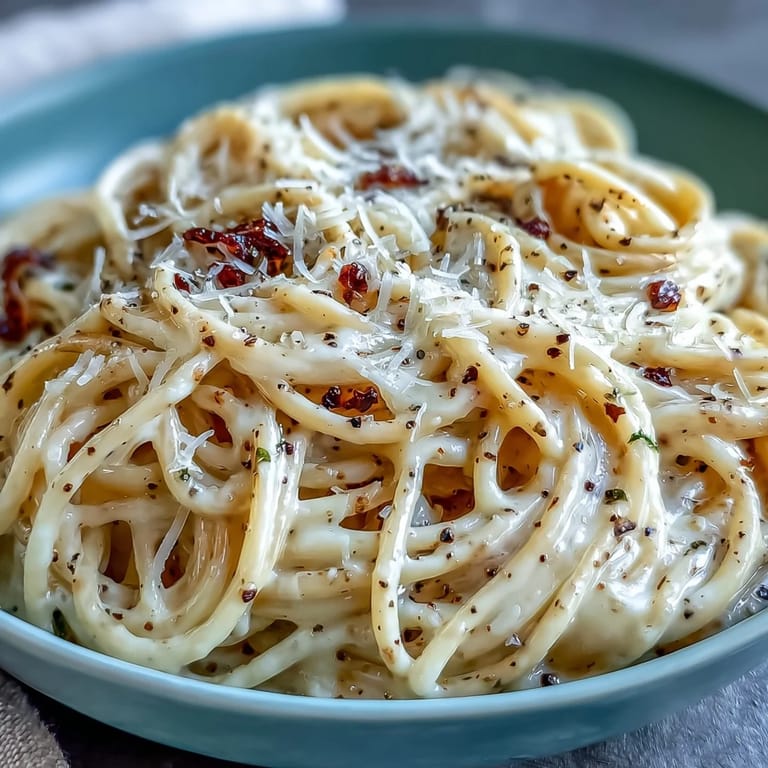
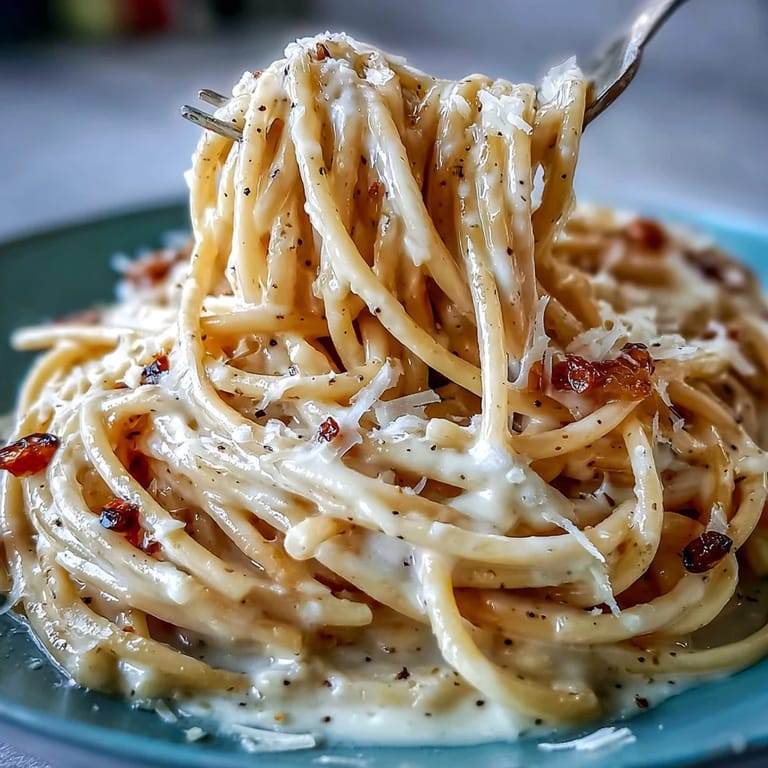
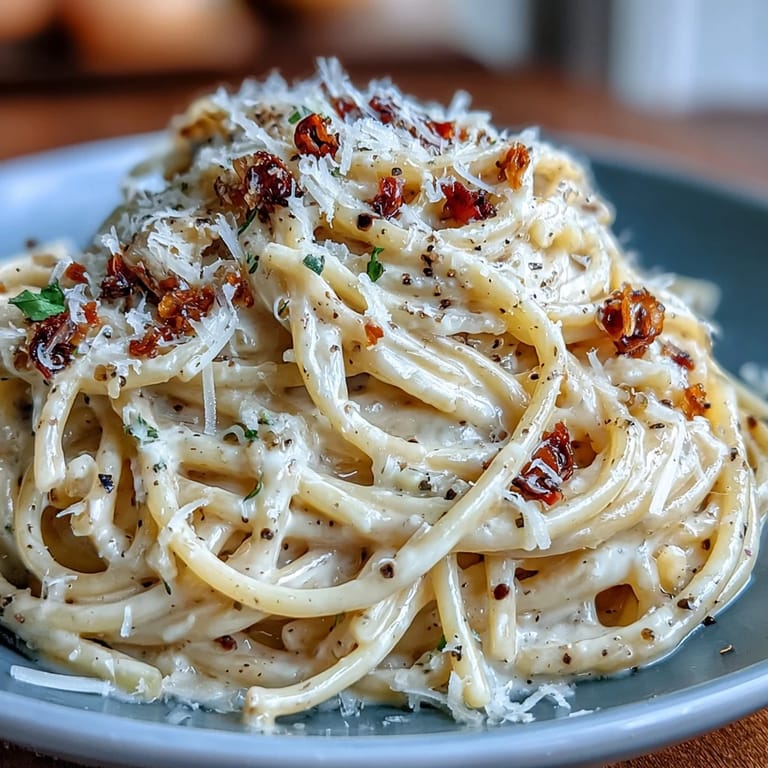
- Pull the skillet off the heat completely, then start sprinkling in the grated Pecorino while tossing constantly like you're trying to fluff a cloud. Add more pasta water a splash at a time if it clumps up, because the sauce should coat every strand like silk, not sit in the bottom like wet sand.
- Finish with butter if you like:
- If you're using butter, drop it in now and toss until it melts into everything. It's optional, but it smooths out any rough edges.
- Serve it hot:
- Plate it immediately, top with more cheese and a generous crack of fresh pepper. This dish waits for no one.
 Pin It
 The first time I got the sauce right, I stood at the stove and ate half the batch straight from the pan with a wooden spoon. My husband walked in and asked if I was planning to share, and I told him maybe, if he was nice. We ended up sitting on the kitchen floor with two forks and the skillet between us, laughing about how something this good shouldn't be this easy.
Choosing Your Pasta
Tonnarelli is what you'd get in a Roman trattoria, a square-cut noodle thicker than spaghetti that holds onto sauce like it has something to prove. I've made this with both, and honestly, spaghetti is completely lovely and way easier to find at any grocery store. The shape matters less than cooking it just shy of done so it finishes in the pan, soaking up all that peppery, cheesy goodness.
Getting the Cheese Right
Pecorino Romano is sharper and saltier than Parmesan, with a bite that stands up to all that black pepper instead of disappearing. I learned the hard way that the dusty pre-grated stuff in the green canister doesn't melt the same way because it's coated with cellulose to keep it from clumping. Buy a wedge, grate it on the smallest holes of your box grater, and you'll see the difference immediately when it melts into something creamy instead of grainy.
What to Serve Alongside
This pasta is rich and bold, so I like to keep everything else light and simple. A crisp green salad with lemon and olive oil, maybe some roasted broccoli or a handful of arugula tossed in at the end, and a cold glass of Frascati or Verdicchio if you're feeling fancy. Sometimes I just pour sparkling water with a slice of lemon and call it perfect.
- A bright, acidic salad cuts through the richness and wakes up your palate between bites.
- Roasted vegetables with a squeeze of lemon add color and a little bitterness that plays nicely with the cheese.
- Keep garlic bread and heavy sides for another night because this dish is the star and doesn't need competition.
 Pin It
 Now every time I crack pepper into a hot pan and smell that toasty, spicy perfume, I think of Marco laughing at me in my own kitchen. This is the kind of recipe that makes you feel capable and a little bit magic, and I hope it does the same for you.
Recipe FAQs
- → What type of pasta works best for Cacio e Pepe?
Tonnarelli is the traditional choice, but spaghetti works excellently. Long pasta shapes help the sauce cling better than short varieties.
- → Why does my cheese clump instead of creating a smooth sauce?
Remove the pan from heat before adding cheese, and add it gradually while tossing vigorously. The pasta water must be hot but not boiling to prevent clumping.
- → Can I substitute Pecorino Romano with another cheese?
Pecorino Romano provides the authentic sharp, salty flavor essential to this dish. Parmesan is milder and will alter the traditional taste profile significantly.
- → How much pasta water should I reserve?
Reserve at least 1½ cups of starchy cooking water. You'll use it gradually to achieve the perfect creamy consistency and help emulsify the cheese.
- → Is butter traditional in Cacio e Pepe?
Authentic Roman versions typically omit butter, relying solely on cheese and pasta water for creaminess. Butter is optional for those who prefer extra richness.
- → What wine pairs well with Cacio e Pepe?
A crisp Italian white wine like Frascati or Verdicchio complements the rich, peppery flavors beautifully without overwhelming the delicate cheese sauce.