 Pin It
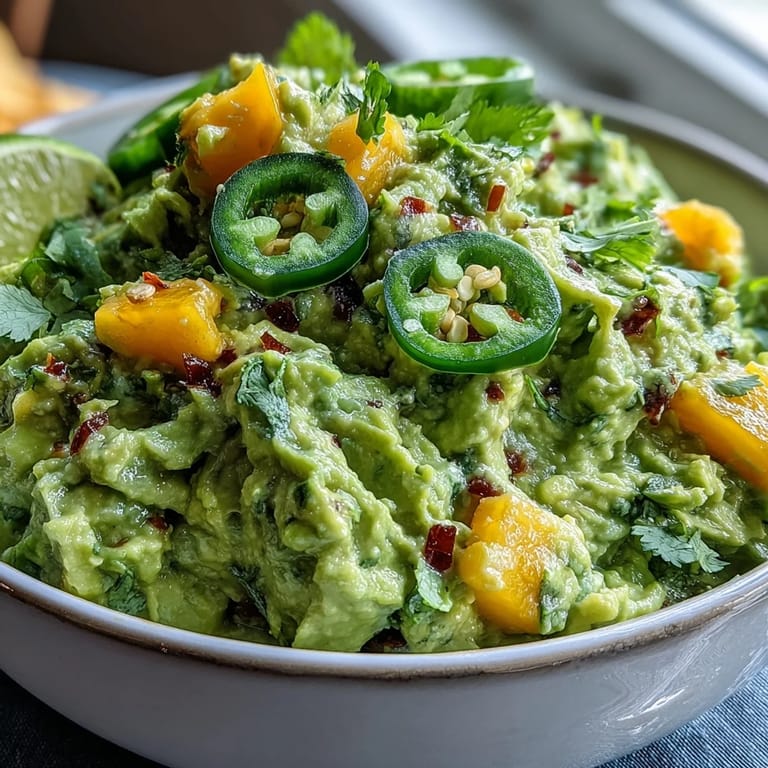
 My neighbor showed up at my door one sweltering afternoon with three perfectly ripe avocados and a bag of fresh mangoes from the farmer's market, insisting we make something festive for the block party that evening. I'd never thought to combine fruit with guacamole before, but watching her dice that golden mango with such confidence made me curious. Twenty minutes later, we were standing in my kitchen surrounded by cilantro stems and jalapeño seeds, tasting something that tasted like a celebration itself. That batch disappeared in minutes, and I've been making it ever since—it's become my secret weapon for any gathering.
I'll never forget serving this at a Cinco de Mayo potluck where someone's aunt brought traditional mole and her cousin made handmade tamales, and yet this simple guacamole held its own. The jalapeño heat dancing with the mango sweetness seemed to bridge everyone's different memories of home, and that's when I realized guacamole isn't just about avocado—it's about telling a story with what you layer in.
Ingredients
- Ripe avocados (3): They should yield slightly to gentle pressure and smell faintly sweet—underripe ones will taste bitter and won't mash smoothly, so don't rush this part.
- Fresh mango (1 small): The fruit is your secret flavor weapon here; choose one that's fragrant and gives just a tiny bit when you squeeze it gently.
- Red onion (1 small, finely diced): The sharpness cuts through the richness, so don't skip it even if raw onion usually makes you hesitate.
- Jalapeño peppers (1–2, seeded and finely chopped): Removing the seeds keeps the flavor without overwhelming heat; taste as you go because everyone's tolerance is different.
- Tomato (1 medium, seeded and diced): Seeding prevents the guacamole from becoming watery and mushy, a lesson learned through one too many disappointed batches.
- Fresh cilantro (1/4 cup, chopped): It adds brightness that nothing else can replicate, so use it generously unless you're one of those people who finds it tastes like soap.
- Lime juice (from 1 lime): This prevents browning and adds acidity that wakes up all the flavors, so fresh-squeezed is absolutely worth the extra thirty seconds.
- Sea salt (1/2 teaspoon) and black pepper (1/4 teaspoon): These simple seasonings let everything else shine instead of masking the natural flavors.
Tired of Takeout? 🥡
Get 10 meals you can make faster than delivery arrives. Seriously.
One email. No spam. Unsubscribe anytime.
Instructions
- Prep your avocados with care:
- Cut each avocado in half lengthwise, twist gently to separate the halves, and tap the pit with your knife blade to loosen it before setting it aside. Scoop the creamy flesh into your mixing bowl using a spoon, making sure to get all the good stuff close to the skin.
- Mash to your preference:
- Pour the lime juice over the avocado pieces right away so they don't brown, then use a fork or potato masher to break them down—some people like it chunky, others prefer creamy, so this is your call to make. The lime juice will also help protect against that disappointing gray-brown color that happens when avocado oxidizes.
- Fold in your flavor layers:
- Rather than stirring aggressively, gently fold in the mango, red onion, jalapeño, tomato, and cilantro using a spatula, being careful not to bruise the fruit. You're looking for a texture where you can still see the individual ingredients, not a smooth paste.
- Taste and balance:
- This step separates good guacamole from great guacamole—take a chip or a small spoon and sample it, then adjust the lime juice, salt, or jalapeño until it tastes exactly how you want it. What tastes balanced to you might need more lime to your friend, so don't be shy about letting people customize.
- Serve or store thoughtfully:
- Transfer to a serving bowl immediately if guests are waiting, or cover the surface directly with plastic wrap pressed down to minimize air contact if you're making it ahead. The plastic wrap trick really does prevent browning better than anything else, so use it if you want your guacamole looking beautiful hours later.
 Pin It
 There's something almost magical about watching this come together when you're making it alongside someone who's never tried it before—the moment they taste the combination of creamy, sweet, spicy, and fresh all at once, you see their eyes light up. That's the real reason I keep making it.
The Fruit Question
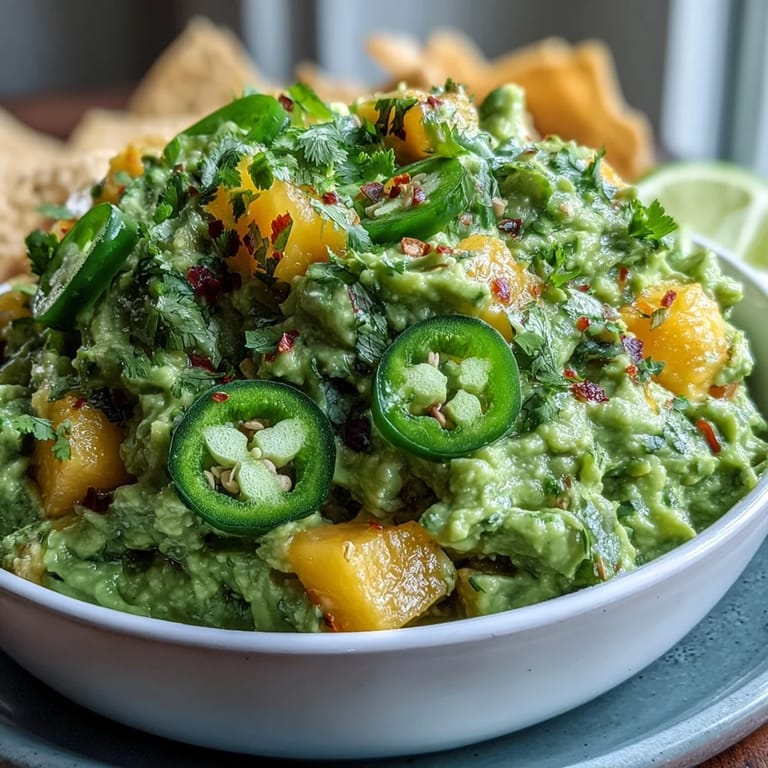
Adding mango to guacamole sounds like it shouldn't work, but it actually follows an old culinary logic where fruit brings balance to rich, fatty ingredients. The sweetness doesn't overpower the avocado; instead, it creates a complexity that keeps your palate interested through multiple bites. If you've always made traditional guacamole and want to experiment, this is the gentlest way to start—mango's flavor is subtle enough that it enhances rather than transforms.
Serving Strategies That Work
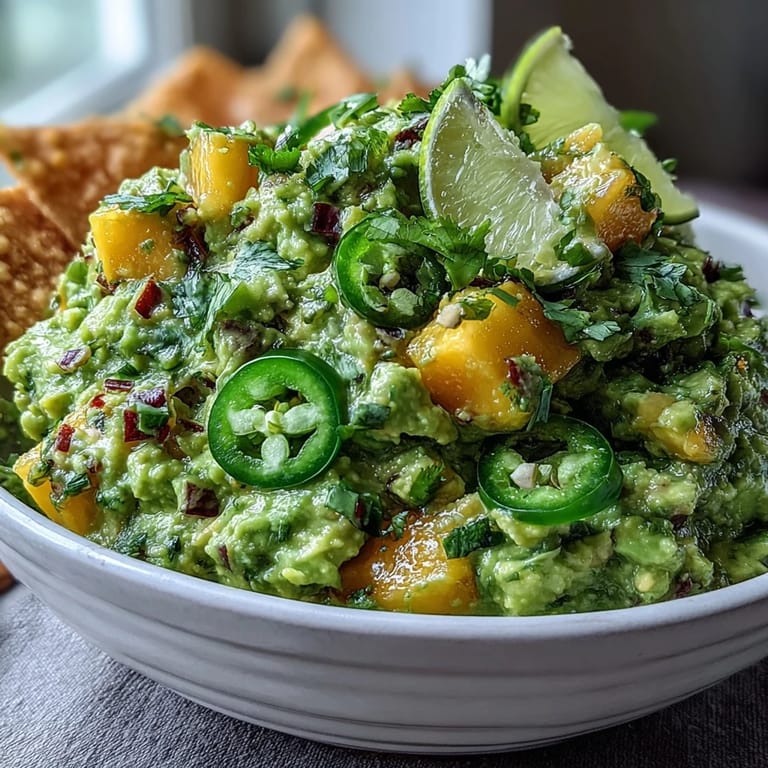
The best part about this guacamole is how versatile it becomes depending on what you serve it with—tortilla chips are the obvious choice, but it's equally stunning scooped onto grilled fish, spooned over tacos, or dolloped onto a grain bowl. I've even used it as a surprising topping for simple black bean soup, where it melts slightly and creates a luxurious richness. Think beyond the chip-and-dip assumption and you'll find yourself making this constantly.
Make-Ahead Tips and Storage Wisdom
This is genuinely a make-ahead recipe if you know the trick, which is that direct plastic wrap contact prevents browning much better than any bowl cover can manage. You can also prepare all your ingredients ahead of time, chop everything, store it in separate containers, and then assemble just before serving—this actually takes the stress out of party preparation. If you do make it in advance, taste it again before serving because the flavors continue to meld and sometimes need a tiny lime juice adjustment.
- Squeeze lime juice over the avocado immediately after scooping to slow browning significantly.
- If brown spots do appear, scoop them away; they taste fine but look less appetizing.
- Store covered tightly in the refrigerator and eat within a few hours for best color and texture.
 Pin It
 This recipe taught me that sometimes the best dishes come from happy accidents and neighbors with good instincts, and that the simple act of combining fresh ingredients with care is really all the cooking skill you need. Make it for someone this week and watch their face light up when they taste it.