 Pin It
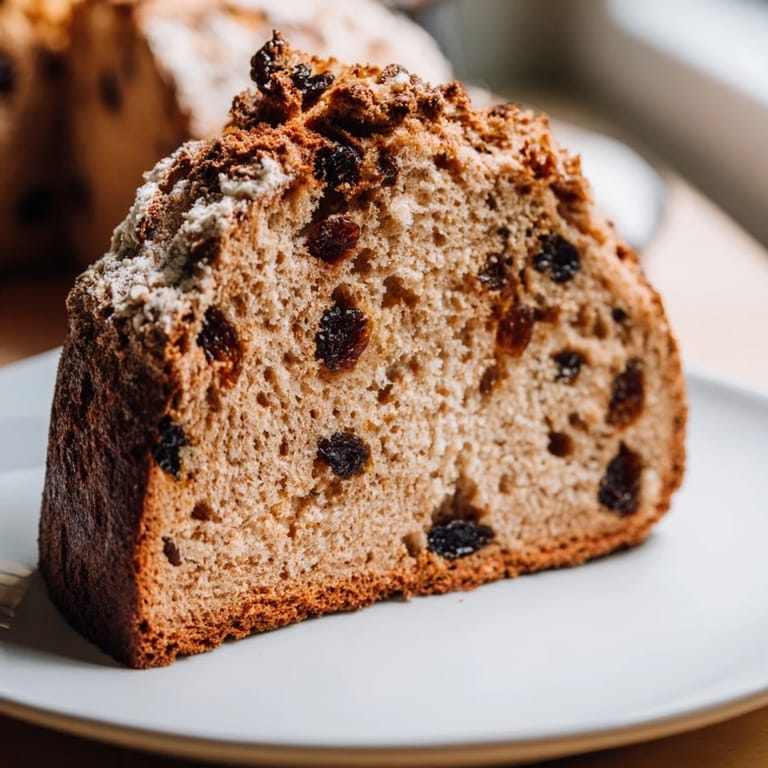
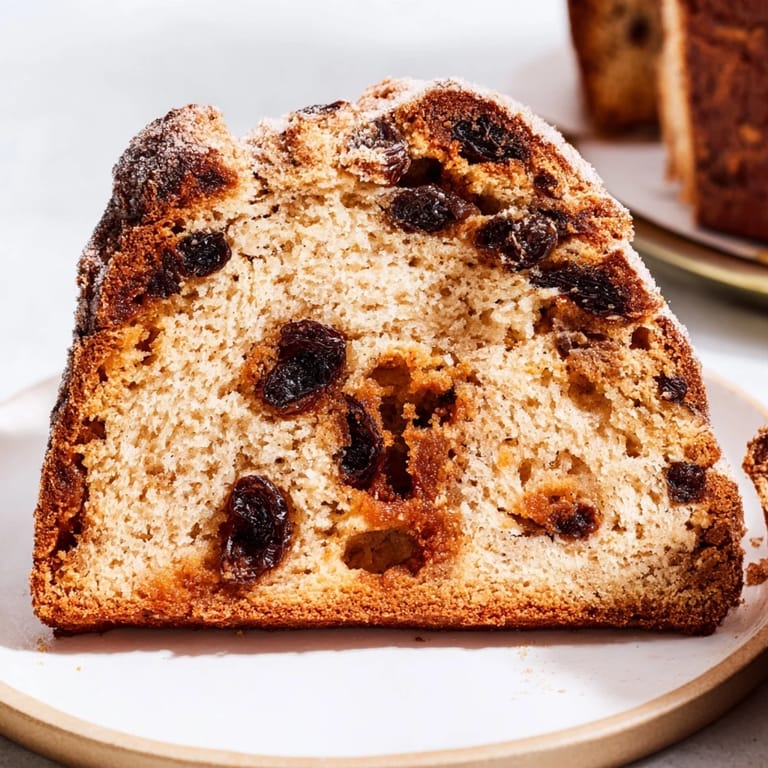
 The kitchen was still dark when I pulled the first loaf from the oven, steam curling up in soft waves. I had started the dough the night before, letting it rise slowly in the fridge, and by morning the whole house smelled like cinnamon and butter. My daughter wandered in, half-asleep, and asked if we were having dessert for breakfast. I sliced into the loaf while it was still warm, the swirl spiraling through each piece like a little cinnamon galaxy. We ate it with nothing but butter, and she declared it better than any bakery.
I made this loaf for a neighbor who had just moved in, and she later told me it reminded her of the bread her grandmother used to bake in Poland. She said the cinnamon was warming, the kind of flavor that makes a new place feel like home. I had no idea a simple loaf could carry that much comfort. Since then, I bake it whenever someone needs a little warmth, whether its a housewarming or just a quiet Sunday.
Ingredients
- Bread flour: The higher protein content gives the loaf structure and chew, making it soft but sturdy enough to hold the swirl without collapsing.
- Active dry yeast: I always proof mine in warm milk to make sure its alive and bubbly before committing to the dough.
- Whole milk: Adds richness and tenderness, heating it to 110 degrees wakes up the yeast without killing it.
- Unsalted butter: Softened butter mixes into the dough easily and spreads smoothly over the rolled surface.
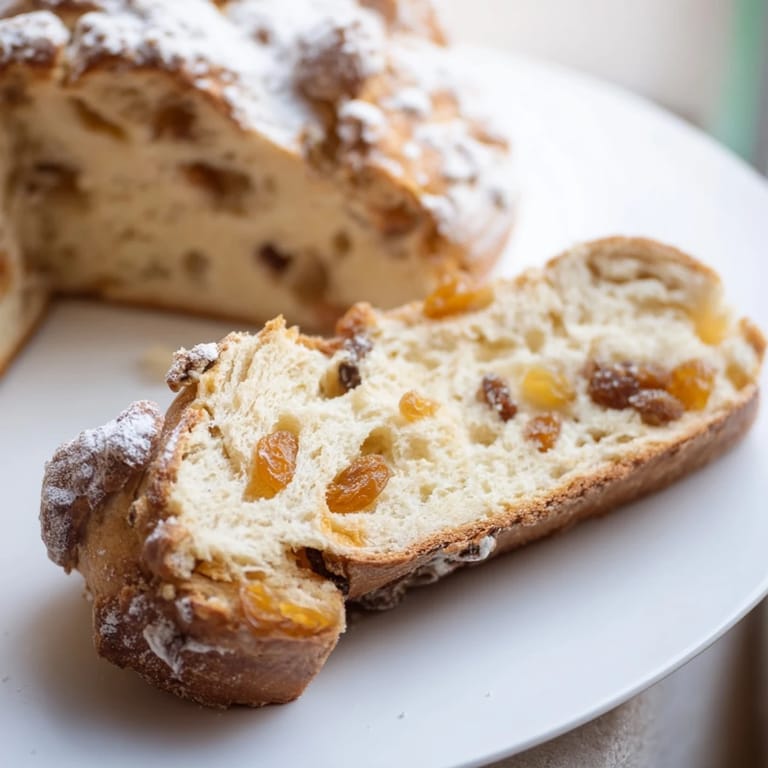
- Raisins: I use regular dark raisins, but golden ones work beautifully too and add a little extra sweetness.
- Light brown sugar: The molasses flavor deepens the cinnamon swirl and keeps it moist.
- Ground cinnamon: Use fresh cinnamon if you can, the aroma is noticeably warmer and more complex.
Tired of Takeout? 🥡
Get 10 meals you can make faster than delivery arrives. Seriously.
One email. No spam. Unsubscribe anytime.
Instructions
- Proof the yeast:
- Pour warm milk over the yeast and let it sit until it foams and smells faintly sweet. If nothing happens after five minutes, start over with fresh yeast.
- Mix the dough:
- Combine sugar, egg, and butter with the yeast mixture, then add flour and salt. Knead until the dough is smooth and springs back when you poke it.
- Fold in the raisins:
- Add raisins once the dough is elastic so they distribute evenly without tearing the gluten strands.
- Let it rise:
- Cover the bowl with a damp towel and set it somewhere warm. The dough should double in size and feel soft and pillowy.
- Prepare the swirl:
- Mix brown sugar and cinnamon in a small bowl until evenly combined.
- Roll out the dough:
- On a floured surface, roll the dough into a rectangle, aiming for even thickness so the swirl stays consistent. Spread softened butter over the surface, leaving a small border.
- Add the cinnamon sugar:
- Sprinkle the mixture evenly over the butter, then gently press it in with your hands.
- Roll it up:
- Starting from the short end, roll tightly but not so tight that the dough tears. Pinch the seam closed and tuck the ends under.
- Second rise:
- Place the log seam-side down in a greased loaf pan, cover, and let it puff up until it crests just above the rim.
- Bake:
- Bake at 350 degrees until the top is golden and the loaf sounds hollow when tapped. If it browns too fast, tent it with foil halfway through.
- Finish and cool:
- Brush with melted butter while still warm for a soft, glossy crust. Let it cool completely before slicing or the slices will squish.
 Pin It
 One morning I toasted a thick slice and spread it with cream cheese, and my son looked at me like I had just invented something magical. He started requesting it every weekend, sometimes with butter, sometimes plain, sometimes still warm from the oven. It became our Saturday ritual, and now when he comes home from college, this is the first thing he asks me to make. I keep a loaf in the freezer just in case.
How to Store and Freeze
I wrap the cooled loaf tightly in plastic wrap, then slide it into a zip-top bag to keep it soft for up to three days on the counter. For longer storage, I slice the loaf first, wrap it well, and freeze it for up to a month. That way I can pull out a slice or two and toast them straight from frozen, which is perfect for busy mornings when I want something homemade without the effort.
Variations You Might Love
Sometimes I swap the raisins for dried cranberries or chopped pecans, which adds a little tartness or crunch. If youre feeling indulgent, drizzle a simple glaze made from powdered sugar and milk over the cooled loaf for a sweeter finish. I have also stirred a handful of chocolate chips into the dough once, and while it felt a little wild, my kids absolutely loved it.
Serving Suggestions and Pairings
This bread is perfect toasted with salted butter and a cup of strong coffee, but it also makes an excellent base for French toast. I have served it alongside scrambled eggs and fresh fruit for brunch, and it always disappears first. On cozy evenings, I toast a slice and pair it with a mug of spiced chai or hot apple cider.
- Spread with cream cheese or mascarpone for a richer bite.
- Serve with a drizzle of honey or a sprinkle of flaky sea salt.
- Toast it and top with a thin layer of almond butter for extra protein.
 Pin It
 Every time I pull this loaf from the oven, I am reminded that the best recipes are the ones that make people feel cared for. I hope this one becomes a favorite in your home too.
Recipe FAQs
- → What type of flour is best for this bread?
Bread flour is recommended to achieve a chewy texture and good gluten development for the soft crumb.
- → Can I substitute golden raisins for the regular raisins?
Yes, golden raisins work well and add a slightly different sweetness and color to the swirl.
- → How long should the dough rise?
The dough needs 1 to 1.5 hours for the first rise until doubled in size, and an additional 45-60 minutes after shaping.
- → What temperature is ideal for baking this bread?
Baking at 350°F (175°C) yields a golden crust and ensures the loaf cooks evenly inside.
- → Can I add nuts to the cinnamon swirl?
Chopped walnuts or pecans can be added along with the cinnamon sugar to enhance flavor and texture.
- → How should I store the bread to keep it fresh?
Store in an airtight container at room temperature for up to three days or freeze for longer preservation.