 Pin It
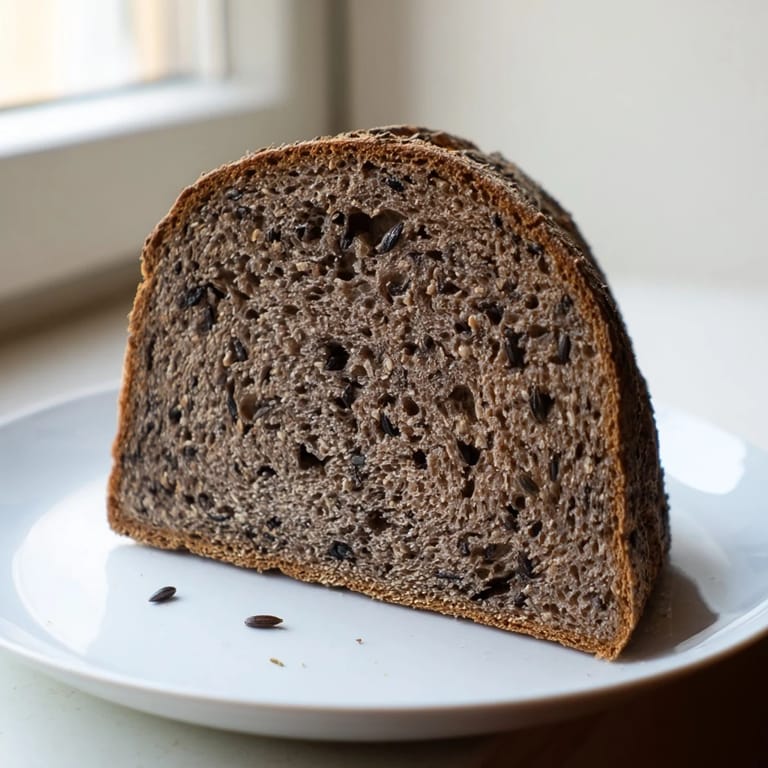
 A friend once handed me a thick slice of dark Estonian bread at a small café in Tallinn, still warm from the bakery, and I bit into it expecting something dense and heavy. Instead, the crumb was surprisingly tender, with this earthy sweetness from malt and a subtle spice from caraway that lingered on my tongue. That moment changed how I thought about rye bread entirely—it wasn't austere or punishing, but generous and alive. Years later, when I finally made it myself, I understood why this bread has been baked in Estonian kitchens for generations. It's the kind of loaf that asks you to slow down and pay attention.
I baked this bread on a quiet Sunday morning while my partner slept, and by the time the oven heat filled the kitchen, they stumbled out drawn by the aroma of toasted caraway and dark grain. We stood there together watching the crust darken through the oven window, barely saying anything, just breathing in the smell. That's when I realized this bread had already become part of our rituals, even though I'd only made it twice.
Ingredients
- Active rye sourdough starter (100 g): This is your living culture that brings tang and lift to the bread; if your starter is sluggish, feed it more frequently for a few days before using.
- Dark rye flour (400 g): The backbone of the bread, it gives you that signature earthy flavor and slightly dense crumb that makes Estonian bread unmistakable.
- Bread flour (100 g): A touch of wheat flour adds gluten structure without overwhelming the rye's character, making the bread easier to shape and slice.
- Lukewarm water (300 ml): Rye is thirsty; this amount seems generous until you're mixing, then you'll understand why the dough is so forgiving.
- Dark rye malt (50 g): Look for this in specialty shops or order it online; it's what gives the bread its subtle sweetness and that almost chocolate-like depth.
- Molasses or dark honey (2 tbsp): This feeds the culture and deepens the flavor, creating that complex bittersweet note that makes people ask what's in your bread.
- Caraway seeds (1 tbsp): Toast them lightly before adding if you want the spice to really announce itself, or leave them raw for a gentler presence.
- Fine sea salt (2 tsp): Don't skip this; it's not about saltiness but about waking up all the other flavors in the crumb.
Tired of Takeout? 🥡
Get 10 meals you can make faster than delivery arrives. Seriously.
One email. No spam. Unsubscribe anytime.
Instructions
- Awaken your starter:
- Combine your rye starter with lukewarm water and molasses in a large bowl, stirring until everything dissolves and comes together. This is moment zero, where you're inviting the wild cultures to wake up and go to work.
- Bring the flours together:
- Add the rye flour, bread flour, malt powder, caraway seeds, and salt to the bowl and mix with a wooden spoon until the dough comes together into something thick and shaggy. The dough will feel sticky and almost unmanageable at first, but that's exactly right.
- Let time do the heavy lifting:
- Cover the bowl with a damp cloth and leave it at room temperature for 10 to 12 hours, or overnight, until the dough visibly puffs and bubbles appear across the surface. This long fermentation is where all the magic happens; you're building flavor, improving digestibility, and letting the rye fully express itself.
- Shape into the pan:
- Line a loaf pan with parchment paper or give it a light greasing, then scrape the dough into it and smooth the top with a wet spatula. Sprinkle with a few extra caraway seeds if you want that rustic finish, then cover loosely with a cloth.
- The final rise:
- Let the dough rise for 2 to 4 more hours until it reaches close to the rim of the pan, with visible signs of fermentation. You'll know it's ready when you poke it gently and it springs back slowly rather than immediately.
- Set up for steam and heat:
- Preheat your oven to 220°C (430°F) and place a pan of hot water on the bottom rack to create steam, which helps develop a deep crust. The steam is crucial; it keeps the surface moist long enough for the bread to expand fully before setting.
- Bake in two stages:
- Bake at the higher temperature for 15 minutes to set the crust, then lower the heat to 190°C (375°F) and continue for another 30 minutes until the crust is dark and glossy and the loaf sounds hollow when tapped on the bottom. The two-stage bake gives you a crust that cracks and crackles without the interior drying out.
- Cool completely:
- Remove the bread from the oven and let it cool entirely on a wire rack before slicing; if you cut into it while warm, the crumb will be gummy and heavy. Patience here is rewarded with the proper structure and flavor that only develop as the bread cools.
 Pin It
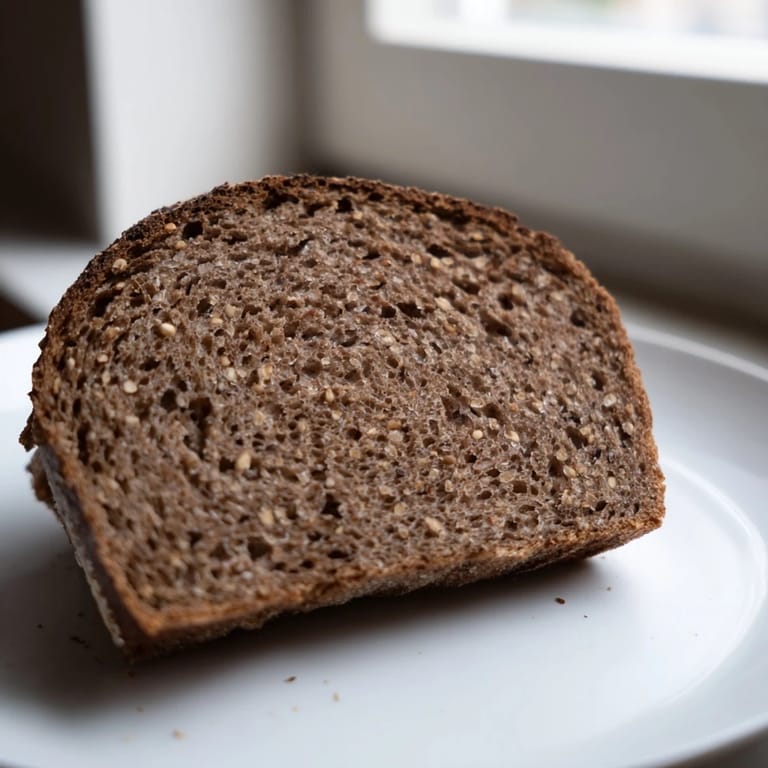
 The first time someone brought Estonian smoked fish to my table, I knew instantly that it was made for this bread. There's something about the way the dark grain and caraway complement the salt and smoke that feels inevitable, like the bread was waiting for that pairing all along. Since then, this loaf has become my default for serving guests, not because it's showy but because it's honest and pairs with everything from the simplest butter to the most elaborate board.
The Story of Rye in Northern Europe
Rye grows in cold climates where wheat struggles, and that's why bread like this is so deeply rooted in Estonian, Scandinavian, and Eastern European kitchens. Generations of bakers learned to coax sweetness and complexity from grain that might otherwise taste harsh and unforgiving. There's a lesson in that patience—rye bread rewards the baker who respects its character instead of fighting against it. Understanding that history makes the bread taste different, like you're part of something much older than yourself.
Working with Sourdough Cultures
If your sourdough starter feels sluggish or hasn't been fed in days, this recipe is actually forgiving because the long rise compensates for a slower culture. Still, the best results come from a starter that's active and bubbly just before mixing, fed regularly enough that it doubles or triples within 4 to 8 hours. Think of your starter as a living thing with moods—sometimes it moves quickly, sometimes slowly, and your job is to read those signals and adjust your timing accordingly.
Flavor Variations and Personal Touches
Once you've made this bread a few times, you'll start noticing what you want to adjust, and that's when the real fun begins. Some bakers add fennel seeds alongside caraway, others increase the molasses to 3 tablespoons for something closer to dessert-bread, and a few adventurous souls toast the caraway seeds beforehand to amplify their spice. The bread keeps beautifully wrapped in a cloth for a full week, which means you can make it on Sunday and still be eating it fresh on Friday morning.
- Toast caraway seeds in a dry pan for 30 seconds before adding to the dough if you want their flavor to be assertive and grounding.
- If your kitchen is cold, the fermentation will take longer than 12 hours; this is fine and actually deepens the flavor even more.
- Keep your leftover slices wrapped in a towel on the counter rather than bagged in plastic; the bread breathes better and tastes fresher that way.
 Pin It
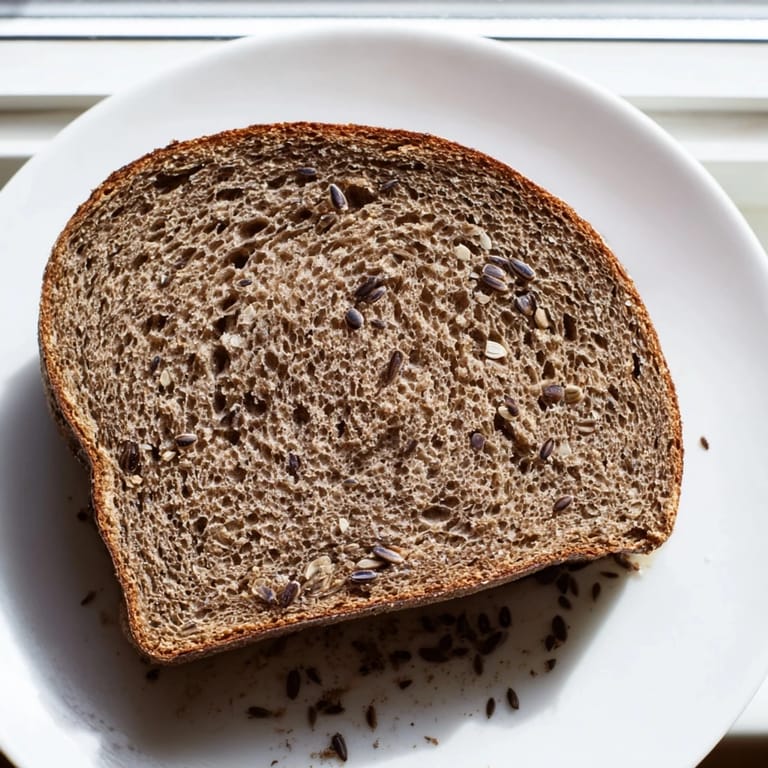
 This bread becomes part of your kitchen practice rather than just a recipe you follow once. Every loaf teaches you something about timing, about your starter, about what your hands and eyes need to feel for. That's the real gift of baking something traditional—you're not just making breakfast, you're joining a conversation that stretches back through decades of bakers and kitchens.
Recipe FAQs
- → What gives the bread its deep flavor?
The combination of dark rye flour, malt powder, and caraway seeds creates a rich, aromatic taste unique to this loaf.
- → How long should the dough rise?
The dough rises twice: first for 10–12 hours until bubbly, then another 2–4 hours after shaping to develop volume and texture.
- → Why use steam during baking?
Adding steam helps form a crisp crust and enhances oven spring, leading to a well-textured loaf.
- → Can I adjust sweetness in the dough?
Yes, increasing molasses from 2 to 3 tablespoons will make the bread slightly sweeter and more aromatic.
- → What are ideal pairings for this bread?
This hearty sourdough pairs wonderfully with salted butter, smoked fish, and aged cheeses, complementing its robust flavor.
- → How to store the bread best?
Wrap the cooled loaf in a towel and store at room temperature; it stays fresh for up to a week.