 Pin It
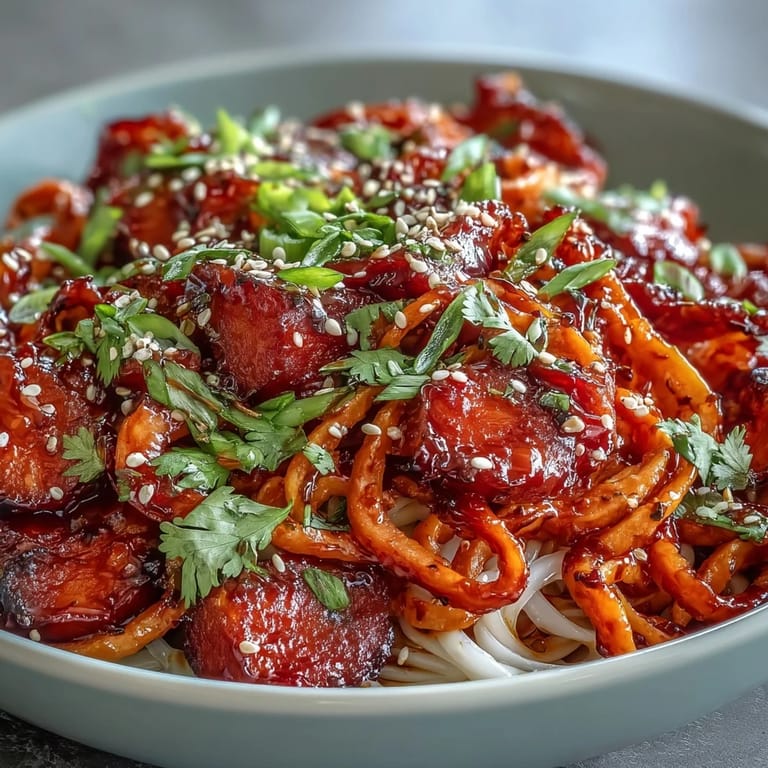
 My neighbor handed me a swede from her garden last autumn, and I had absolutely no idea what to do with it. It sat on my counter for three days until I stumbled across a photo of roasted vegetable ribbons online. I grabbed my peeler, turned that massive root into long, delicate strips, and tossed them with the only spicy thing in my cupboard: gochujang. The sweetness, the heat, the caramelized edges—it was better than I had any right to expect.
I made this for a small dinner party once, and everyone asked what the noodles were made of. When I said swede, they looked confused, then impressed. One friend went back for seconds before I even sat down. It is one of those dishes that surprises people in the best way, and I love watching their faces change after the first bite.
Ingredients
- Swede (rutabaga): Choose a firm, heavy one without soft spots, and peel it thoroughly because the skin can be waxy and bitter.
- Rice noodles: They soak up the dressing beautifully and stay light, use the flat kind if you can find them.
- Gochujang: This Korean chili paste is the soul of the dish, look for one with a deep red color and a slightly sweet aroma.
- Maple syrup: It balances the heat and saltiness, honey works too but maple gives a rounder flavor.
- Toasted sesame oil: A little goes a long way, it adds nuttiness and depth that plain oil cannot match.
- Spring onions: Use both the white and green parts for a mild onion flavor and a pop of color.
- Sesame seeds: Toast them yourself in a dry pan for a minute, the difference in flavor is remarkable.
- Fresh cilantro: It brightens everything up at the end, but if you are one of those people who tastes soap, use fresh parsley instead.
Tired of Takeout? 🥡
Get 10 meals you can make faster than delivery arrives. Seriously.
One email. No spam. Unsubscribe anytime.
Instructions
- Prep the swede:
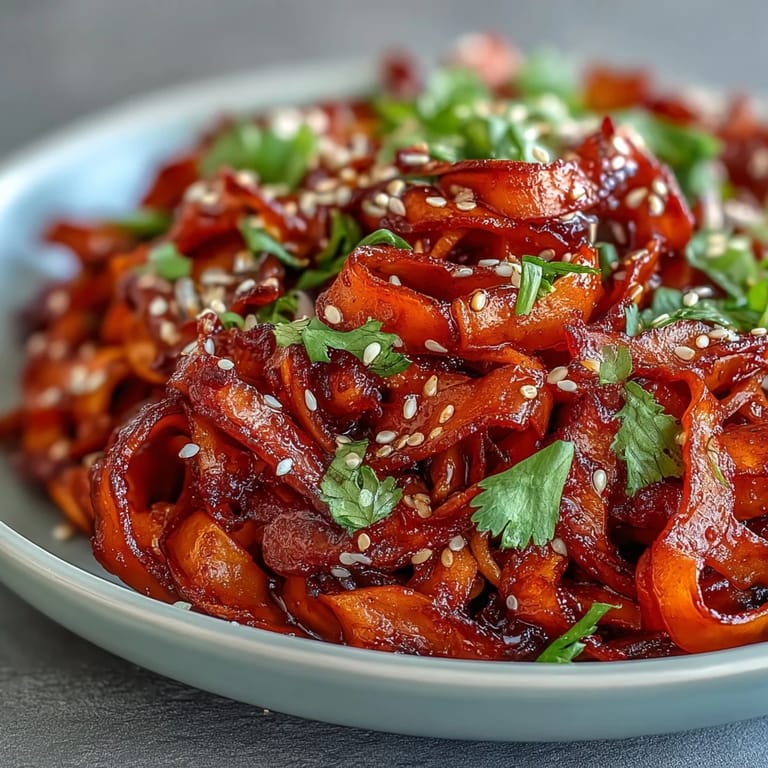
- Preheat your oven to 220°C and peel the swede completely, then use a vegetable peeler or mandoline to create long, thin ribbons. Toss them with oil, salt, and pepper, then spread them out on a baking sheet so they roast instead of steam.
- Roast until golden:
- Slide the tray into the oven and roast for 25 to 30 minutes, flipping halfway through. You want the edges to caramelize and curl slightly, that is where the sweetness lives.
- Cook the noodles:
- While the swede roasts, cook your rice noodles according to the package directions, then drain and rinse them under cold water to stop them sticking together. Set them aside in a large bowl.
- Make the dressing:
- In a small bowl, whisk together the gochujang, soy sauce, maple syrup, rice vinegar, sesame oil, garlic, ginger, and chili flakes if using. Add water a tablespoon at a time until it is smooth and pourable.
- Toss everything together:
- Add the roasted swede, spring onions, carrot, and bean sprouts to the noodles, then pour over the dressing and toss gently with your hands or tongs. Make sure every ribbon and noodle gets coated.
- Garnish and serve:
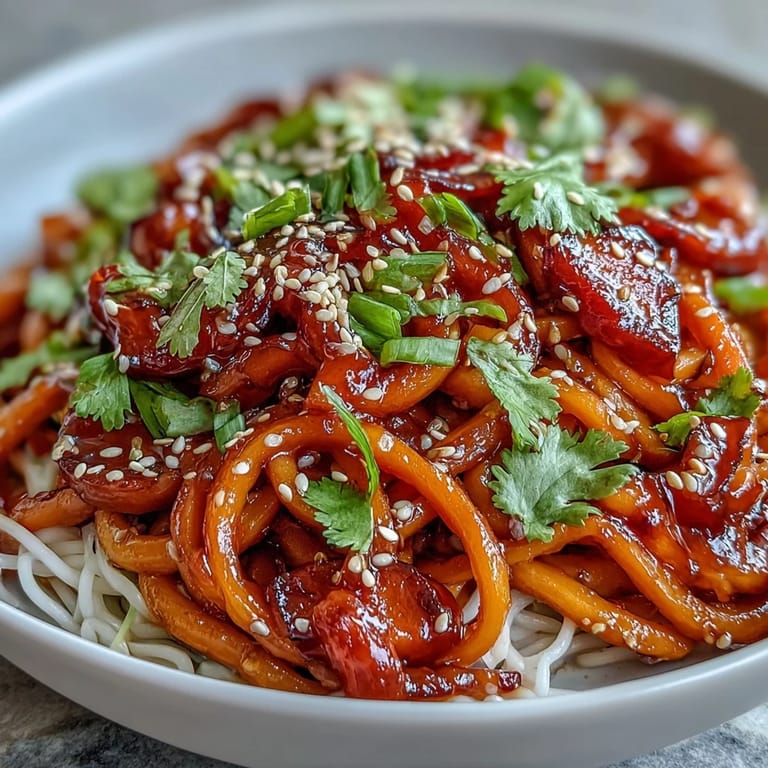
- Pile it into bowls and finish with toasted sesame seeds and fresh cilantro. Serve it right away while the swede is still warm.
 Pin It
 The first time I packed this for lunch, a coworker leaned over and asked if I had ordered takeout. I told her I made it the night before in under an hour, and she made me write down the recipe on a sticky note. It has become my go to when I want something that feels special but does not require a culinary degree.
How to Store and Reheat
This keeps well in an airtight container in the fridge for up to three days. The noodles will absorb some of the dressing as they sit, which actually makes the flavor even better. You can eat it cold, or warm it gently in a pan with a splash of water to loosen everything up again.
Swapping and Adding Ingredients
If you cannot find swede, try using parsnips or even butternut squash ribbons, they roast just as well. For extra protein, toss in some pan fried tofu, edamame, or even a soft boiled egg on top. I have also added thinly sliced red cabbage for crunch and it worked beautifully.
Serving Suggestions
This dish is filling enough on its own, but it also pairs well with a simple cucumber salad or some steamed greens on the side. If you are serving it to guests, put out extra sesame seeds, chili oil, and lime wedges so people can adjust the heat and brightness to their liking.
- A cold Riesling or a light lager cuts through the richness and cools the heat.
- Serve it in wide, shallow bowls so the ribbons and noodles do not tangle.
- Leftovers make an excellent cold noodle salad for lunch the next day.
 Pin It
 This recipe taught me that the simplest vegetables can become the star of the plate if you treat them right. I hope it surprises you the way it surprised me.
Recipe FAQs
- → Can I substitute swede with another vegetable?
Yes, butternut squash, sweet potato, or carrots work well as alternatives. Adjust roasting time based on the vegetable's density and moisture content.
- → How spicy is this dish?
The heat level is moderate, primarily from gochujang. Adjust the amount of gochujang or add chili flakes to control spiciness to your preference.
- → Can I make this ahead of time?
You can roast the swede and prepare the dressing in advance. Store separately and combine with freshly cooked noodles just before serving for best texture.
- → What can I use instead of rice noodles?
Soba noodles, udon, or even spiralized zucchini work as substitutes. Cooking times will vary, so follow package instructions for your chosen noodle.
- → Is gochujang gluten-free?
Not always. Some brands contain wheat or barley. Check labels carefully and choose certified gluten-free gochujang if needed. Use tamari instead of soy sauce as well.
- → How do I store leftovers?
Store in an airtight container in the refrigerator for up to 3 days. The noodles may absorb the dressing, so you might want to add a splash of sesame oil when reheating.