 Pin It
 The first time I truly understood bread was in a small Riga kitchen, watching my neighbor's hands work a handful of rye flour and water into something almost alive. She didn't measure much—just knew by feel when the dough had the right stickiness, when it needed rest. That's when I learned that Latvian rupjmaize isn't fussy or fancy; it's honest, substantial, and demands patience more than precision. This bread has traveled with me ever since, whether toasted for breakfast or paired with smoked fish on quiet Sunday mornings.
Years ago, I made this bread for a friend who'd just moved to a new city and missed home cooking. Watching her face when she bit into a warm slice—that moment of recognition, of comfort—reminded me that bread is more than carbs and yeast. It's an anchor, a small edible memory of somewhere that matters.
Ingredients
- Dark rye flour (500 g): The heart of this bread—use the darkest you can find for that distinctive, almost earthy depth.
- Bread flour (100 g): Adds just enough gluten structure so the dough doesn't collapse under its own weight during that long rise.
- Active dry yeast (1 packet, 7 g): One packet is all you need; the overnight fermentation does most of the work for you.
- Warm water (350 ml): Should feel like a comfortable bath on your wrist—not hot, or you'll kill the yeast.
- Molasses or dark honey (2 tbsp): Adds color, subtle sweetness, and helps the crust brown beautifully.
- Salt (2 tsp): Essential for flavor and to keep fermentation from running wild.
- Caraway seeds (2 tsp): Toast them gently first if you want a more pronounced, toasted-nutty flavor that lingers.
- Vegetable oil (1 tbsp plus extra): Keeps the dough workable and prevents sticking during that long, slow rise.
Tired of Takeout? 🥡
Get 10 meals you can make faster than delivery arrives. Seriously.
One email. No spam. Unsubscribe anytime.
Instructions
- Wake up the yeast:
- Combine warm water, molasses, and yeast in a large bowl and let it sit for 10 minutes until it's foamy and alive-looking. You'll see tiny bubbles breaking the surface—that's when you know it's ready.
- Bring it together:
- Add the rye flour, bread flour, salt, and caraway seeds, then mix with a wooden spoon until a shaggy, sticky dough forms. Don't worry if it looks like it can't possibly work—rye dough is supposed to be wetter than wheat.
- Develop the dough:
- Drizzle in the oil and knead for 5–7 minutes by hand or with a dough hook until the dough feels smooth and slightly elastic. It will stay sticky; that's exactly right.
- The long sleep:
- Shape into a ball, place in an oiled bowl, cover with plastic wrap or a damp towel, and let it rise at room temperature for 12–16 hours. You're essentially giving the dough time to ferment slowly, which is where all that deep flavor comes from.
- Shape and proof:
- Punch down gently, transfer to a lightly floured surface, and shape into a round or oval loaf. Place on parchment or in a greased loaf pan, cover loosely, and let it rise for 45–60 minutes until puffy and slightly domed.
- Prepare to bake:
- Preheat your oven to 220°C (425°F) about 15 minutes before baking. Dust the top of the loaf with rye flour and, if you like, score it lightly with a sharp knife for a rustic look.
- The final bake:
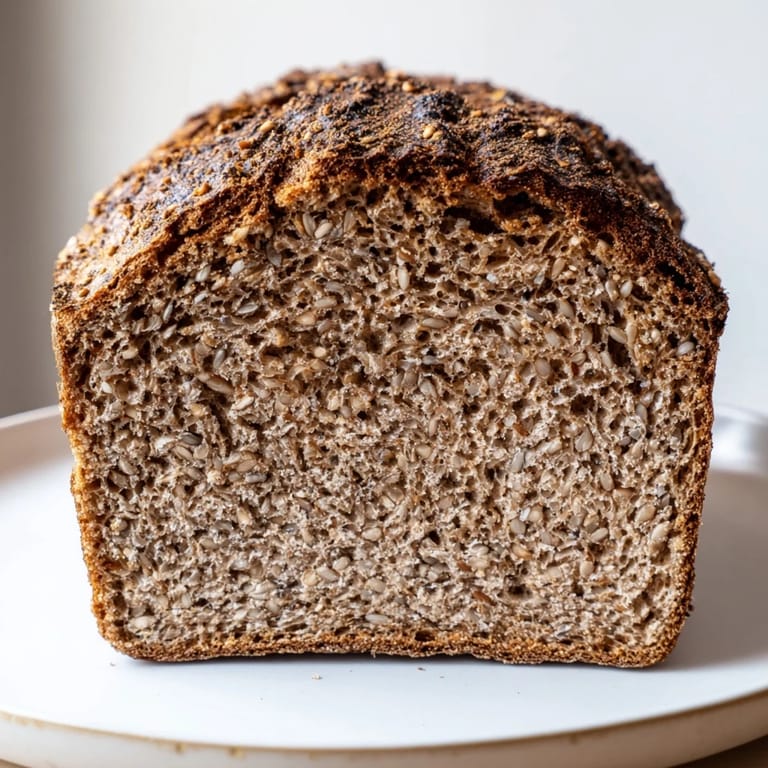
- Bake in the center of the oven for 45–50 minutes until deeply browned and the bottom sounds hollow when tapped. The crust should be almost mahogany-dark—that's when you know it's done.
- Cool properly:
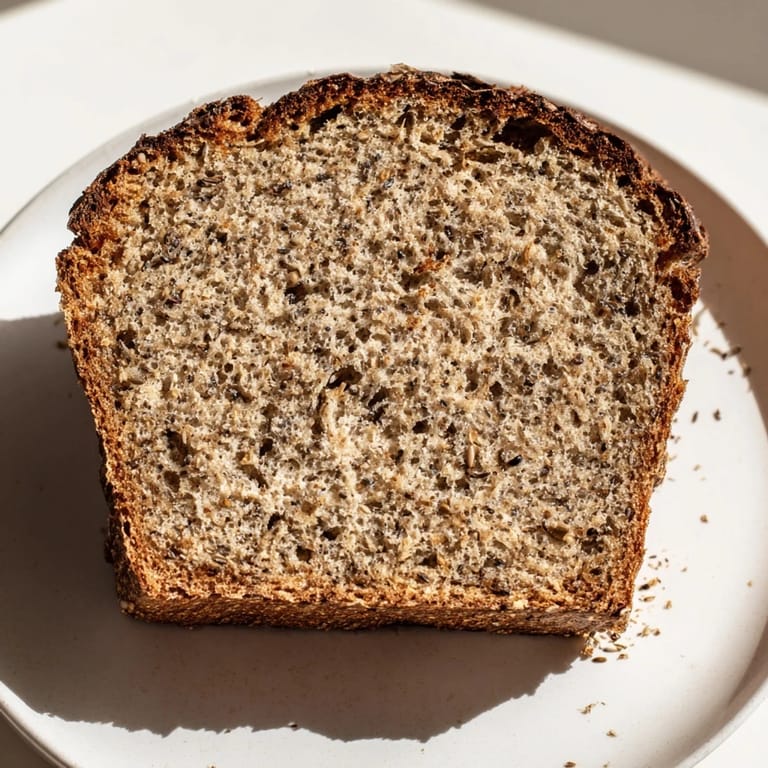
- Transfer to a wire rack and let it cool completely before slicing. This resting time lets the crumb set and makes slicing cleaner.
 Pin It
 There's something almost meditative about the smell of rye bread baking—warm, slightly sweet, with undertones of something ancient and grounding. It fills the entire house, and by the time it comes out of the oven, everyone knows something important just happened in the kitchen.
Why This Bread Matters
Rupjmaize is Latvian soul food, the kind of bread that shows up on every table and gets taken for granted until you realize how hard it actually is to make well. The caraway seeds aren't decoration—they're a whisper of Baltic tradition, a flavor that says home to anyone who grew up with this bread. Making it from scratch connects you to generations of bakers who understood that good bread takes time, and that time is never wasted.
Serving and Storage
Slice this bread thick and toast it until the edges are crispy and the inside stays soft. Pair it with salted butter, smoked fish, creamy cheese, or even a simple spread of fresh herbs mixed into sour cream. The bread's robust flavor stands up to bold accompaniments and won't disappear into the background. Leftover slices freeze beautifully—slice before freezing so you can toast individual pieces straight from the freezer whenever the craving hits.
The Art of the Crust
The deep brown, almost crackling crust is where so much of this bread's character lives. Baking at a high temperature and not opening the oven door during the first 30 minutes helps that crust develop properly—dark, flavorful, with just the right amount of crunch. Some bakers spray the oven with water for steam, which can help, but it's optional; the moisture in the dough itself is usually enough. Listen for that hollow tap when you turn the loaf over—that sound means it's perfectly baked all the way through.
- If your crust browns too quickly, you can loosely tent it with foil for the final 10–15 minutes of baking.
- Never slice the bread while it's still warm—let it cool completely so the crumb sets and slicing stays clean.
- For authentic enjoyment, toast slices the morning after baking when the crumb has firmed up slightly.
 Pin It
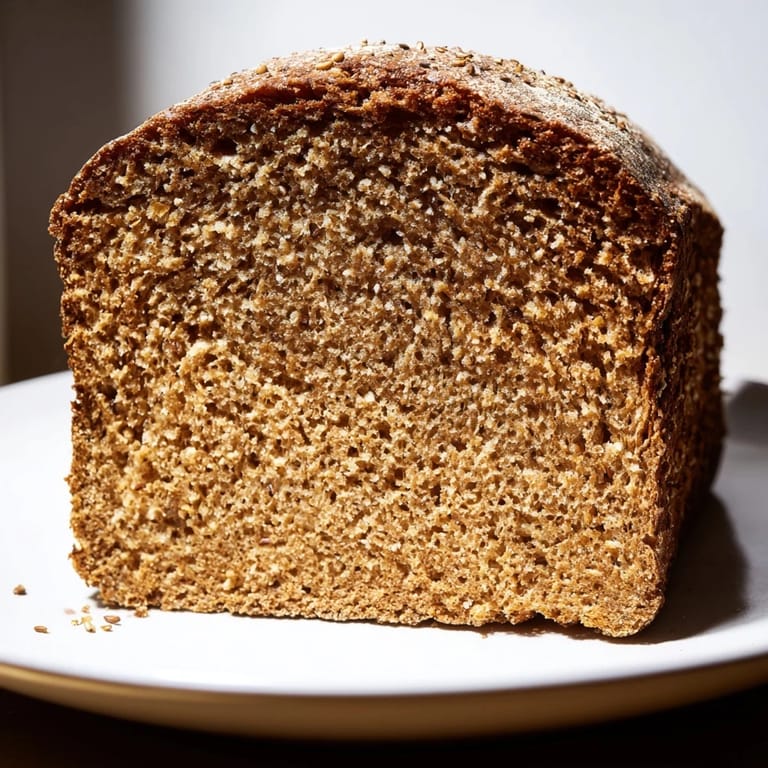
 This bread is worth the wait, the sticky dough, and the patience of letting time do what your hands alone cannot. Make it, share it, and watch how something so simple becomes the thing people remember.
Recipe FAQs
- → What makes Latvian rupjmaize bread unique?
It uses dark rye flour combined with molasses and caraway seeds, resulting in a dense, flavorful loaf with a distinctive crust and moist crumb.
- → How long does the dough need to rise?
The dough requires a long 12–16 hour rise at room temperature to develop its flavor and texture, plus a shorter second rise before baking.
- → Can I toast the caraway seeds before adding?
Yes, lightly toasting caraway seeds enhances their nuttiness and adds depth to the loaf's flavor.
- → What is the best way to bake this bread?
Bake in a preheated oven at 220°C (425°F) for 45–50 minutes until deeply browned and hollow sounding when tapped.
- → How should I store the bread?
Store at room temperature in a breathable bag. It also freezes well when sliced, making it easy to toast later.
- → What are ideal accompaniments for this bread?
It pairs beautifully with salted butter, smoked fish, or hearty stews, enhancing traditional flavors.