 Pin It
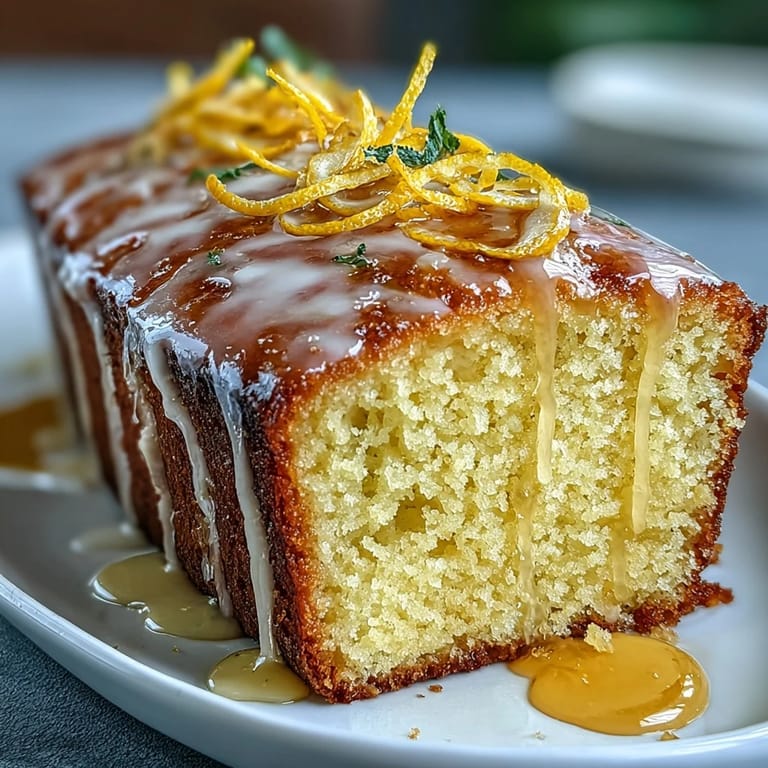
 There's something about the sound of a bottle of Limoncello being uncorked that instantly transports me to a sunny Italian terrace, even if I'm standing in my kitchen on a grey Tuesday afternoon. A few years back, my neighbor returned from a trip to Sicily with a bottle she insisted I try, and instead of sipping it straight, I got the wild idea to bake it into a pound cake. The result was so bright and fragrant that I've been refining it ever since, chasing that perfect balance between the cake's tender crumb and the citrus punch that makes people ask for the recipe before they've even finished their slice.
I made this cake for a potluck last spring and watched a friend who claims she doesn't like citrus desserts go back for a second slice, then sheepishly ask for a third. She said it reminded her of limoncello panna cotta from a trip to Italy, but somehow more approachable and homey. Moments like that remind me why I keep baking—it's not really about perfection, it's about the small pleasure of sharing something that makes people pause and smile.
Ingredients
- All-purpose flour (2 ½ cups): The foundation of your crumb—measure by spooning and leveling or use a kitchen scale for consistency, as too much flour is the quickest path to a dense cake.
- Baking powder (2 tsp): Your lift agent; don't skip this or the cake will sink in the middle, and always check your container's date because stale baking powder won't rise the way you need.
- Salt (½ tsp): A tiny amount that makes the citrus sing by heightening its brightness—it's easy to overlook but makes a real difference.
- Unsalted butter (1 cup): Bring it to room temperature or creaming will take forever and the texture suffers; I learned this the hard way trying to rush it with softened butter that was still too cold.
- Granulated sugar (2 cups): Creaming this with butter properly creates air pockets that give the cake its tender structure, so don't skip those 3-4 minutes of beating.
- Large eggs (4), room temperature: Cold eggs won't emulsify properly into the batter and can cause a slightly curdled texture; pull them out 30 minutes before you start baking.
- Lemon zest (1 tbsp, finely grated): Use a microplane grater to get fine, fluffy zest that distributes evenly; the yellow stuff is where the fragrance lives.
- Fresh lemon juice (¼ cup): Squeeze it fresh the day you bake—bottled juice tastes flat and metallic by comparison.
- Limoncello liqueur (⅓ cup): The star ingredient that gives this cake its personality; if you don't have it, use additional lemon juice and a splash of vanilla, though it won't be quite the same.
- Pure vanilla extract (1 tsp): This adds depth without being obvious, making the lemon taste even more lemony through contrast.
- Whole milk (½ cup), room temperature: Slightly warmer milk helps everything incorporate smoothly and affects the final crumb texture.
- Powdered sugar (1 ½ cups) for the glaze: Sift it to avoid lumps in your glaze, which takes two seconds and prevents frustration.
- Fresh lemon juice (2–3 tbsp) for glaze: Start with 2 tablespoons and add more until you reach a pourable consistency that clings to the cake without running off immediately.
- Limoncello liqueur (1 tbsp optional for glaze): Adds extra flavor complexity, but the glaze is plenty delicious without it if you're keeping the alcohol out.
- Lemon zest (1 tsp) for garnish: A final flourish of brightness on top that catches the light and looks intentional.
Tired of Takeout? 🥡
Get 10 meals you can make faster than delivery arrives. Seriously.
One email. No spam. Unsubscribe anytime.
Instructions
- Prepare your pan and oven:
- Preheat to 350°F and give your Bundt pan a thorough coating of cooking spray, then dust with flour and tap out the excess—this prevents sticking better than butter alone. Have all your ingredients out and ready because once you start mixing, you want to move steadily.
- Mix your dry ingredients:
- In a medium bowl, whisk the flour, baking powder, and salt together and set it aside—this distributes the leavening evenly and prevents lumps. The whisking takes 30 seconds and saves you from surprises.
- Cream butter and sugar:
- In a large bowl with an electric mixer, beat the softened butter and sugar until it's pale, fluffy, and almost looks like frosting—this takes about 3 to 4 minutes and is crucial for a tender cake. You'll notice the mixture going from grainy to smooth to light, and that's exactly what you're chasing.
- Add eggs one at a time:
- Drop in one egg, beat well until it's fully incorporated and you don't see streaks of yolk, then add the next—rushing this step means the batter might separate. Take your time here even though it feels slow.
- Mix in the citrus and flavor:
- Add the lemon zest, lemon juice, Limoncello, and vanilla extract and beat until combined—the batter will look a little curdled and speckled, which is perfect. The citrus oils are starting to release and perfume the whole mixture.
- Alternate wet and dry ingredients:
- Add about a third of the flour mixture, then half the milk, then another third of flour, then the remaining milk, then finish with the last of the flour, beating gently after each addition. This alternating method keeps the batter smooth and prevents overdevelopment of gluten.
- Pour and smooth:
- Transfer the batter into your prepared pan and use a spatula to smooth the top into an even layer—a flat surface bakes more evenly. Take a moment to admire the pale, flecked batter because you just made this from scratch.
- Bake until golden:
- Set a timer for 50 minutes and start checking at 48 with a toothpick—it should come out clean or with just a crumb or two clinging to it. The cake will smell incredible about halfway through and that's your cue to resist peeking too often.
- Cool with patience:
- Let the cake rest in the pan for 15 minutes (this helps it set so it won't crack when inverted), then turn it out onto a wire rack to cool completely before glazing. Glazing a warm cake is tempting but the glaze will melt and run off, so patience really does pay here.
- Make the glaze:
- Whisk together the sifted powdered sugar, lemon juice, optional Limoncello, and zest until you have a thick but pourable consistency—it should coat the back of a spoon. If it's too thick, add another half teaspoon of lemon juice at a time.
- Glaze and set:
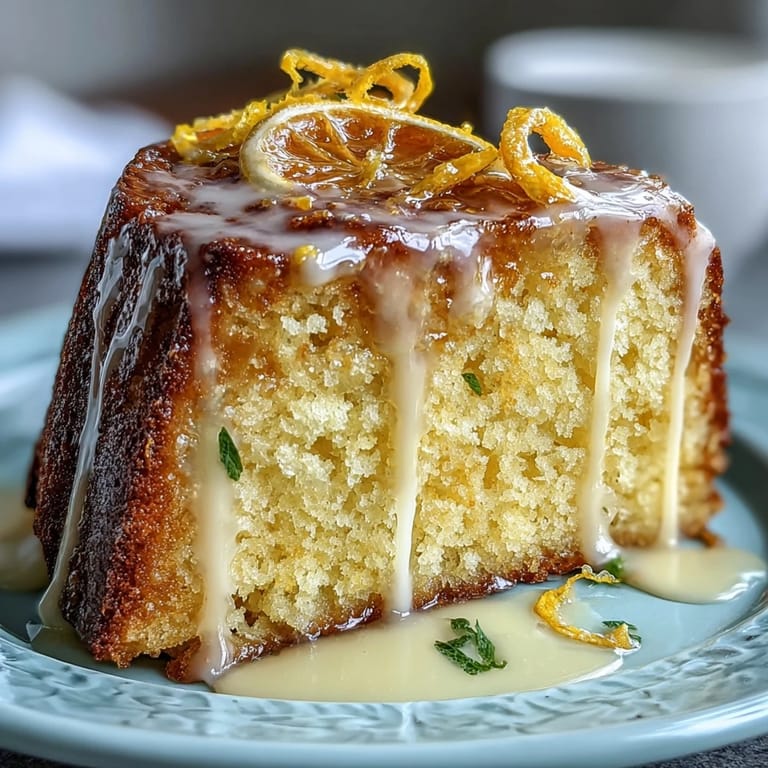
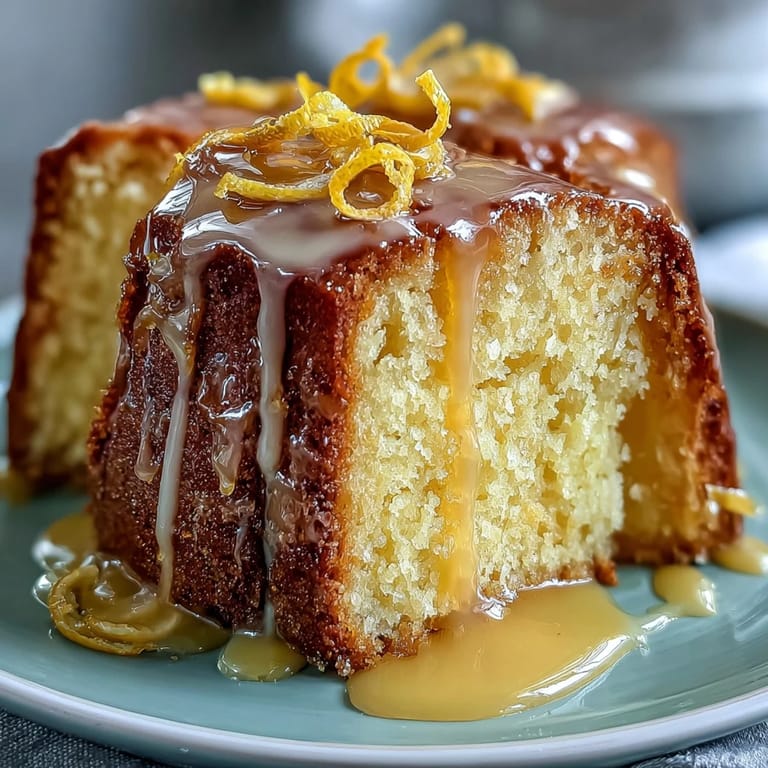
- Drizzle the glaze generously over the cooled cake, letting it flow down the sides in uneven rivulets that look artful. Let it sit for at least 20 minutes before slicing so it firms up and doesn't stick to the knife.
 Pin It
 I'll never forget my sister asking if I'd added alcohol to her slice, then realizing I had, then laughing because she'd eaten half the cake before she knew. There's something lovely about a dessert that sneaks up on you with flavor—nothing aggressive, just this warm, sophisticated brightness that makes you want another bite. That moment of discovery is exactly what I'm trying to capture every time I bake this.
The Secret to a Moist Pound Cake
Most pound cakes are made with equal parts butter, sugar, eggs, and flour, which creates a dense, buttery crumb that can be a little dry if you're not careful. By adding both milk and a liquid (the Limoncello and lemon juice), this version stays tender and almost silky without becoming greasy—the moisture comes from the right ingredients, not from oversaturating with fat. The Limoncello adds so much flavor that you can use slightly less butter than a traditional recipe and the cake doesn't taste like it's missing anything.
Making This Cake Ahead
Bake this cake up to two days in advance and store it wrapped in plastic wrap at room temperature—it actually tastes better the second day when the lemon flavors have mellowed slightly and deepened. You can glaze it the morning of serving, or glaze it the day before and let the glaze harden into a sweet shell that protects the cake. If you're planning to freeze it, do so before glazing, wrapped well in plastic and foil, and it will keep for up to three months; thaw it at room temperature and then glaze it fresh.
Variations and Serving Suggestions
Once you've made this cake a few times, you'll see all the directions you can take it without losing what makes it special. A dusting of candied lemon peel on top adds a jewel-like appearance and an extra hit of citrus, or you can serve slices with fresh berries and whipped cream for a light, summery plating. You can also make mini cakes using smaller loaf pans or a muffin tin—just reduce the baking time to 20-30 minutes depending on size and watch them carefully.
- For a non-alcoholic version, replace the Limoncello with additional lemon juice and add an extra teaspoon of vanilla to keep the complexity.
- Pair slices with afternoon tea, after-dinner coffee, or alongside fresh ricotta for a sophisticated snack.
- If you have access to bottled limoncello that's higher alcohol content, you can substitute it 1:1, though the flavor will be sharper and less mellow.
 Pin It
 This cake has become my go-to gift for spring dinners and the sort of dessert people ask about for months afterward. It's bright without being cloying, sophisticated enough for company, and simple enough that you can make it on a Tuesday afternoon for yourself with your coffee.
Recipe FAQs
- → Can I make this without alcohol?
Yes, you can substitute the Limoncello with additional fresh lemon juice to keep the bright citrus flavor without alcohol.
- → What pan size works best for baking?
A 10-cup Bundt pan or a standard loaf pan is recommended for even cooking and proper shape.
- → How do I ensure the cake stays moist?
Using softened butter, whole milk, and not overmixing the batter helps maintain a tender and moist texture.
- → Can I prepare the glaze in advance?
Yes, the lemon glaze can be whisked together ahead of time and stored in the fridge, just give it a good stir before drizzling.
- → What garnish options complement this cake?
Thin lemon slices, candied lemon peel, or fresh berries add a vibrant and decorative touch.