 Pin It
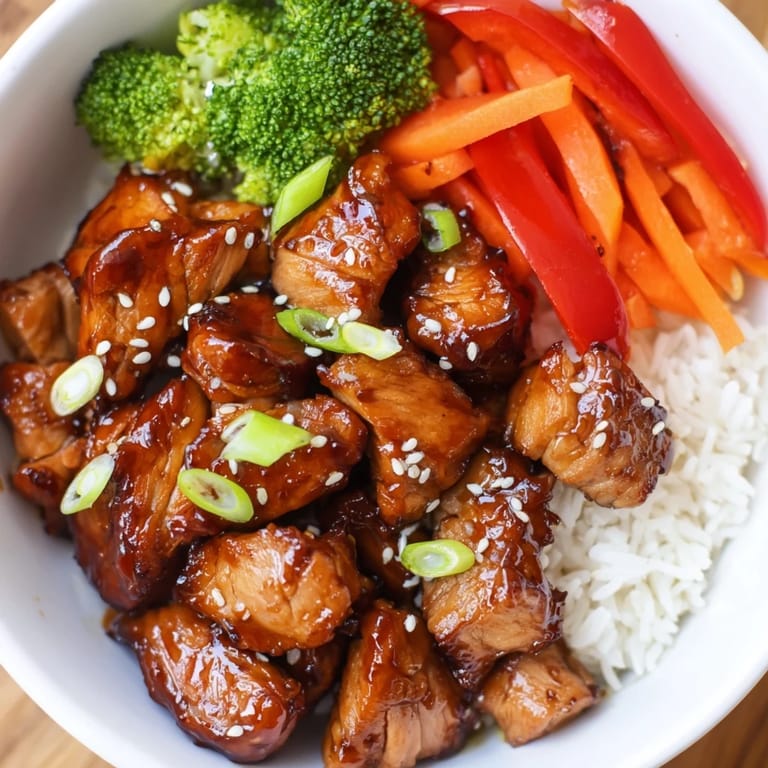
 There's something about the sizzle of chicken hitting a hot pan that pulls me back to a Thursday night when my roommate wandered into the kitchen, drawn by the aroma of soy and ginger. I was testing a quick teriyaki bowl idea for the week ahead, and by the time the sauce thickened into that glossy, caramel-colored glaze, she was leaning against the counter asking if there was enough for her too. That night sparked something—this became the recipe I make when I need dinner that feels intentional but doesn't demand hours in the kitchen.
I remember the first time I made this for someone who claimed they didn't like teriyaki—said it was always too sugary and one-note. Halfway through the bowl, they asked for seconds and wanted to know why this tasted different. It's because we're not masking the chicken with sauce; we're building something together where each element has its own voice.
Ingredients
- Boneless, skinless chicken thighs (600 g): They stay juicy when glazed, unlike breast meat which can dry out if you're not watching every second.
- Low-sodium soy sauce (80 ml): Low-sodium lets the other flavors breathe instead of getting drowned out.
- Mirin (60 ml): The secret ingredient that makes this sauce taste authentic without needing a second sweetener.
- Honey or maple syrup (2 tbsp): Adds depth and helps the sauce cling to the chicken as it reduces.
- Rice vinegar (1 tbsp): A splash of brightness that lifts the whole dish and prevents it from tasting flat.
- Cornstarch (1 tbsp): Creates that glossy, clingy coating—skip it and you get a thin sauce that slides right off.
- Fresh garlic and ginger: These aren't just background notes; they're the pulse running through the sauce.
- Jasmine or short-grain rice (250 g): Jasmine rice absorbs the sauce beautifully if you're spooning extra over the top.
- Broccoli, carrots, and red bell pepper: The vegetables stay slightly tender and add color and texture that keeps the bowl from feeling one-dimensional.
- Sesame seeds and spring onions: These garnishes wake everything up at the last moment with a hint of nuttiness and freshness.
Tired of Takeout? 🥡
Get 10 meals you can make faster than delivery arrives. Seriously.
One email. No spam. Unsubscribe anytime.
Instructions
- Prepare the rice foundation:
- Rinse your rice until the water runs clear—this removes excess starch and keeps grains separate and fluffy. Bring rice and water to a boil, cover, and drop the heat to low for 12 to 15 minutes, then let it rest covered for 5 minutes so the moisture settles in evenly.
- Blanch the vegetables:
- While rice steams, briefly cook broccoli, carrots, and bell pepper in boiling water or a steamer for 3 to 4 minutes until they're tender but still have a slight bite. Drain and set aside—they'll finish cooking when the warm chicken touches them.
- Build the sauce:
- Whisk soy sauce, mirin, honey, rice vinegar, cornstarch, water, minced garlic, and grated ginger in a small bowl until the cornstarch dissolves and the mixture is smooth.
- Sear the chicken:
- Heat oil in a large skillet over medium-high heat until it shimmers, then season chicken pieces with salt and pepper. Cook for 5 to 6 minutes, stirring occasionally, until the chicken is golden and cooked through—you should hear it sizzle, not steam.
- Coat with glaze:
- Pour the sauce over the chicken and stir constantly for 2 to 3 minutes until it thickens and clings to each piece, turning a rich caramel color.
- Assemble and store:
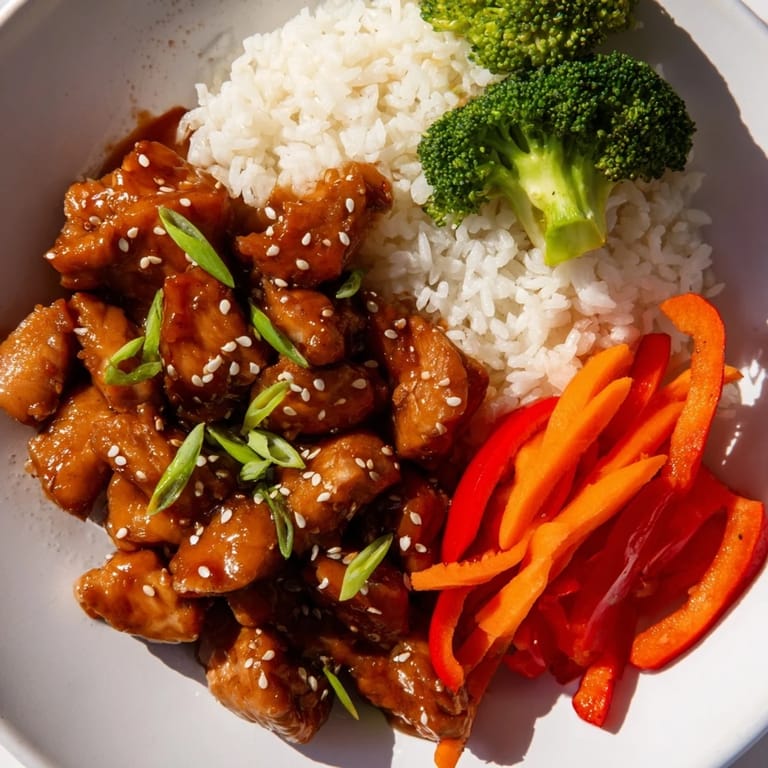
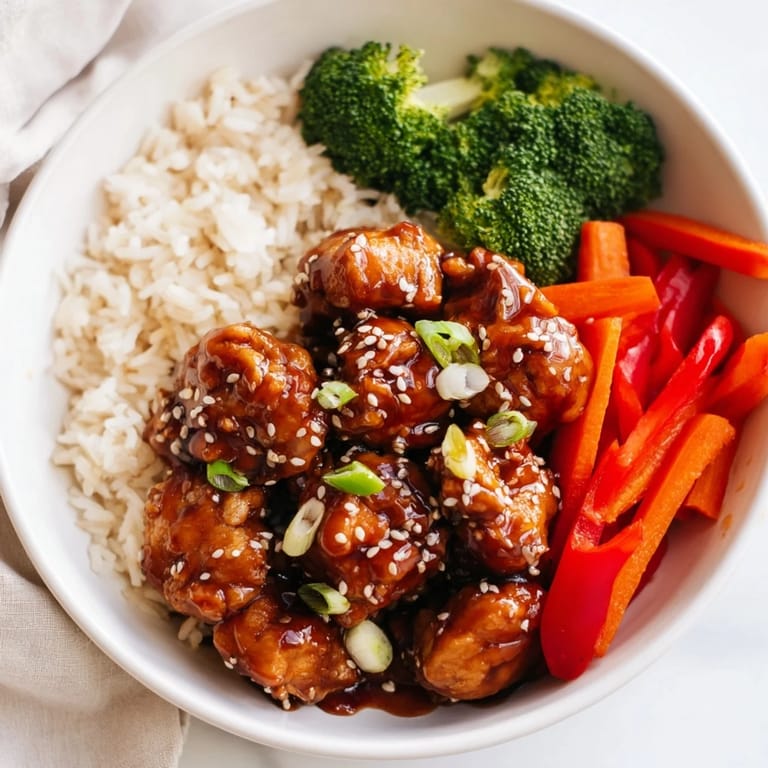
- Divide rice among four containers, top with teriyaki chicken and vegetables, then scatter sesame seeds and spring onions over the top if using. Cool completely before sealing and refrigerating for up to 4 days.
 Pin It
 What strikes me most about this dish is how it disappears. I've watched people at a shared table slow down mid-meal, fork hovering, realizing they're not just eating—they're actually satisfied, and not in that overstuffed way. There's a quietness that comes with that kind of balance.
Why This Works for Meal Prep
This recipe was born from the need for something that tastes like you cared but doesn't require five different pans. Each component holds up beautifully in the refrigerator; the sauce keeps the chicken moist instead of dry, the rice absorbs flavors overnight and actually improves by day three, and the vegetables stay firm because you only blanch them briefly. I've learned through trial and error that containers sealed when the food is cool last longer and taste fresher.
Customizing Your Bowl
The beauty of this recipe is that it invites you to adapt without falling apart. I've made versions with chicken breast for people who prefer it, swapped in tofu for someone avoiding meat, and once added edamame for extra protein and a pop of texture. The sauce is forgiving enough to shine with almost any protein or vegetable combination you choose.
Making It Your Own
Over time, I've discovered small tweaks that shift the whole experience. Sometimes I add a splash of sriracha to the sauce for heat, or use tamari if someone's avoiding gluten. Other nights I'll cook extra sauce on the side because people always want more, and that moment of choice—more or less, spicy or mild—is where a recipe becomes truly yours.
- Toast your sesame seeds in a dry pan for 30 seconds before sprinkling to unlock their nuttiness.
- If the sauce breaks or looks grainy when you add it to the chicken, it'll smooth out as it heats; don't panic.
- Leftover sauce keeps for a week and transforms scrambled eggs, roasted vegetables, or even grilled fish.
 Pin It
 This recipe has become the one I reach for when I need proof that good food doesn't need to be complicated. Every time I make it, someone asks for the recipe, and I'm always happy to share.
Recipe FAQs
- → What cut of chicken works best?
Boneless, skinless chicken thighs are ideal as they stay juicy and absorb the glaze well.
- → Can I substitute the vegetables?
Yes, swapping broccoli and carrots for snap peas or edamame adds variety and crunch.
- → How is the teriyaki glaze thickened?
The sauce uses cornstarch mixed with water to achieve a glossy, thick consistency.
- → What rice type pairs well?
Jasmine or short-grain rice works best, providing a fluffy texture that complements the dish.
- → Is this suitable for dairy-free diets?
Yes, all ingredients are dairy-free, making it friendly for those avoiding dairy.
- → How can I make this gluten-free?
Replace soy sauce with tamari to maintain flavor without gluten.