 Pin It
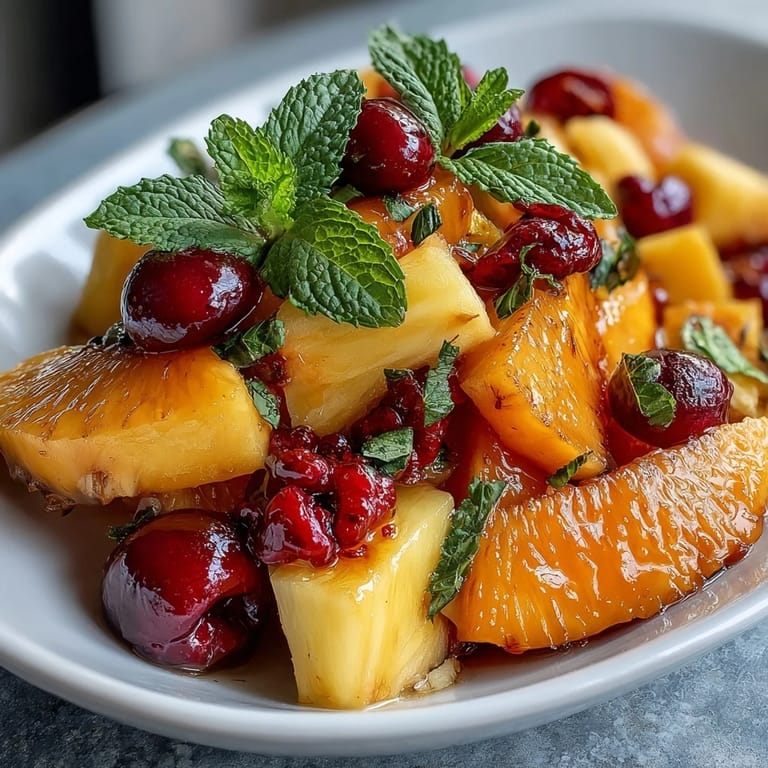
 There's something about arranging a fruit display that makes you feel like you're orchestrating something beautiful—like you've got the power to turn ordinary produce into edible art. I stumbled onto this tropical arrangement one sweltering afternoon when my neighbor dropped off a basket of mangoes and pineapples from her trip, and I suddenly had to figure out what to do with them all before they softened. Rather than juice them or toss them in a bowl, I grabbed a large platter and started slicing, stacking, and arranging like I was composing a painting. By the time everyone arrived for brunch, the table looked like a tropical resort had relocated to my kitchen, and honestly, people spent more time admiring it than talking.
I made this for my daughter's college send-off brunch, and watching her friends gather around the platter like moths to a flame taught me something unexpected—food arranged with care speaks louder than fancy recipes. One guest asked if I'd trained as a caterer, and I laughed so hard I nearly dropped the lime wedges. That moment reminded me that presentation doesn't require culinary school; it just requires paying attention to colors, textures, and the simple truth that people eat with their eyes first.
Ingredients
- 2 ripe mangoes, peeled, pitted, and sliced: Choose mangoes that yield slightly to gentle pressure—too soft and they'll slip apart on the platter, too firm and they taste grainy.
- 1 large pineapple, peeled, cored, and cut into spears or chunks: Freshly cut pineapple has a brightness that makes your mouth water before you even taste it; buy it the day you're serving or it loses that snap.
- 2 kiwis, peeled and sliced: The vivid green feels like a flavor even before you bite down, so don't skip them just because they're small.
- 1 papaya, peeled, seeded, and sliced: Papayas bruise easily, so handle them gently once they're cut and refrigerate immediately to preserve their silky texture.
- 1 dragon fruit, peeled and sliced: The speckled flesh and shocking pink skin are half the reason to include this—people often haven't seen one before and it becomes a conversation starter.
- 1 cup seedless red grapes: They're small anchors that fill gaps and add pops of ruby color throughout the arrangement.
- 1 cup fresh strawberries, hulled and halved: Cut them just before arranging so they don't weep or oxidize; their sweetness bridges the tartness of other fruits.
- 1 cup blueberries: Leave a few whole and scatter them in the crevices—they roll around and catch the light like tiny jewels.
- 1/4 cup fresh mint leaves: Tear or roughly chop them at the last moment so they stay green and fragrant rather than bruised and dull.
- 1 lime, cut into wedges: The bright wedges add color and the faint promise of acidity that cuts through all that sweetness.
- 1 cup vanilla Greek yogurt or coconut yogurt: The yogurt mellows the fruit's acidity and gives people something creamy to balance the brightness.
- 1 tablespoon honey or agave syrup: Just a touch sweetens the dipping sauce without making it cloyingly sugary.
- Zest of 1 lime: Zesting adds floral complexity that makes people pause and wonder what makes the sauce taste so fresh.
Tired of Takeout? 🥡
Get 10 meals you can make faster than delivery arrives. Seriously.
One email. No spam. Unsubscribe anytime.
Instructions
- Prep your canvas:
- Line up all your fruits on the cutting board like ingredients before cooking—it sounds obvious, but having everything ready means you're not scrambling to peel a mango while your pineapple oxidizes. Work through each fruit methodically, and try to finish within an hour of serving so nothing has time to dry out or brown.
- Build your base:
- Start with mango and pineapple at the center or edges of your platter, fanning the slices so they overlap slightly like roof shingles. This creates an anchor point that makes arranging everything else feel natural rather than chaotic.
- Layer strategically:
- Work outward and upward, alternating colors so no two similar fruits sit directly next to each other—green next to red, pink next to purple. Think of it like ombre or watercolor; your eye should be able to travel smoothly across the platter without getting stuck.
- Fill the gaps:
- Scatter grapes, berries, and smaller pieces into the spaces between larger slices, letting some sit flat and letting others tilt at angles so the arrangement feels organic rather than rigid. Step back frequently and look at it from across the room to catch any color or texture imbalances.
- Finish with fragrance and color:
- Scatter mint leaves across the top and nestle lime wedges into strategic corners, then refrigerate until guests arrive so the fruit stays crisp and the mint stays perky.
- Make the sauce:
- Whisk yogurt, honey, and lime zest together just before serving—the longer it sits, the thinner it becomes as the zest releases oils and the yogurt naturally separates slightly. Taste it and add more honey if it tastes too sharp, or more lime zest if it needs brightness.
 Pin It
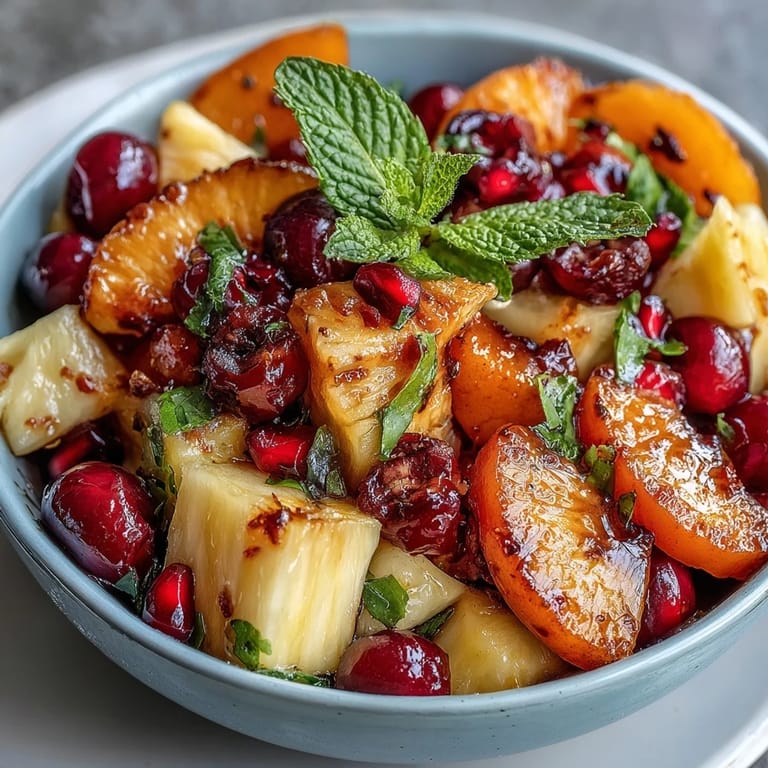
 My partner's mom stood in front of this display for a full minute without taking anything, just looking, and when she finally turned to me with tears in her eyes, she said it reminded her of a market in Costa Rica she'd visited forty years ago. That's when I realized this wasn't just an appetizer—it was a tiny portal to someone's memory, a taste of warmth and travel without leaving the dining room.
Choosing and Ripening Your Fruits
The ripeness game matters more than you'd think, and I've learned this through buying too-hard mangoes and rock-solid pineapples that never quite softened. A ripe mango should have a faint give when you cup it gently in your palm, and it'll smell faintly sweet at the stem end—if it smells like nothing, it's not ready. Pineapples are trickier; ignore the old myth about pulling leaves—instead, look for a plump body with no soft spots and a subtle sweet fragrance at the base, and remember that pineapple doesn't ripen after it's cut, so buy it ripe and use it within days.
Making the Display Feel Effortless
The secret to making this look casual rather than fussy is accepting that perfection is boring—a few slices at different angles, some berries tumbling into corners, mint leaves that aren't precisely placed all feel more inviting than rigid geometry. I learned this by overthinking my first attempt, arranging and rearranging until everything looked stiff and sterile, then taking a breath and letting some imperfection soften the edges.
Flavor Pairing and Seasonal Swaps
The beauty of this display is its flexibility—in winter, add pomegranate seeds and clementine segments; in fall, bring in fresh figs if you can find them; in spring, add sliced strawberries and melon. Passion fruit pulp drizzled across the top adds tartness and glamour, star fruit brings geometry and crunch, and any stone fruit works if it's perfectly ripe. The only rule is that everything should taste fresh and bright, nothing cooked or preserved, so that each bite feels like a burst of summer no matter the season.
- Edible flowers like pansies or nasturtiums add sophistication and make people think you've lost your mind in the best way possible.
- Toasted coconut flakes scattered over the top add crunch and tie the whole display together with a whisper of tropical flavor.
- A light drizzle of honey or passion fruit syrup over the top right before serving adds elegance and sweetness without overwhelming the natural fruit flavors.
 Pin It
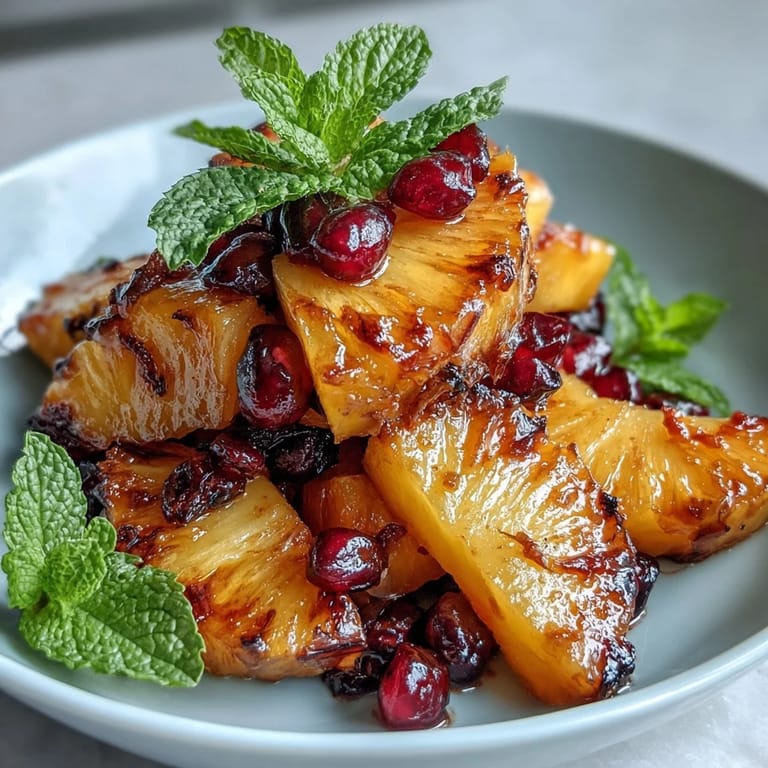
 This fruit display taught me that sometimes the most memorable meals aren't the complicated ones—they're the ones where you take time to make something ordinary feel special. Serve it chilled, watch people's faces light up, and let the fruit do the talking.
Recipe FAQs
- → How do I keep the fruits fresh and vibrant?
Chill the display until serving and prepare fruits just before arranging to maintain freshness and bright colors.
- → Can I substitute any fruits in the arrangement?
Yes, seasonal fruits like passion fruit, star fruit, or melon can be included to suit availability and taste preferences.
- → What is the best way to arrange the fruits for visual appeal?
Alternate colors and shapes by fanning mango and pineapple slices centrally and layering other fruits around them for contrast and balance.
- → Is there a recommended garnish to enhance aroma and presentation?
Fresh mint leaves and lime wedges add aromatic freshness and vibrant color to the fruit display.
- → How can I make the optional dipping sauce vegan-friendly?
Use coconut yogurt instead of vanilla Greek yogurt and sweeten with agave syrup rather than honey for a vegan option.