 Pin It
 The sound of pasta clattering into a big pot and the scent of fresh basil mingling with bubbling tomatoes always transport me straight into a cozy kitchen, even if it's just a Tuesday. One delayed dinner, I tried tossing everything—pasta, sauce, even the cream—into the same pot to save time. The result was unexpectedly luscious, with fewer dishes and more flavor. Now it's a go-to trick: silky-sauced pasta, minimal cleanup, and an easy path to comfort. There's something satisfying about watching it all come together at once, as if by happy accident.
I remember once making this for friends during an unexpected rainstorm—the kitchen windows fogged, everyone sock-footed and hungry. We circled the stove, wine glasses in hand, marveling as the tomato sauce thickened around the spirals of pasta. Nothing fancy, but everyone asked for seconds, and the basil aroma seemed to draw us closer. Not a crumb was left in the pot by the end of the night.
Ingredients
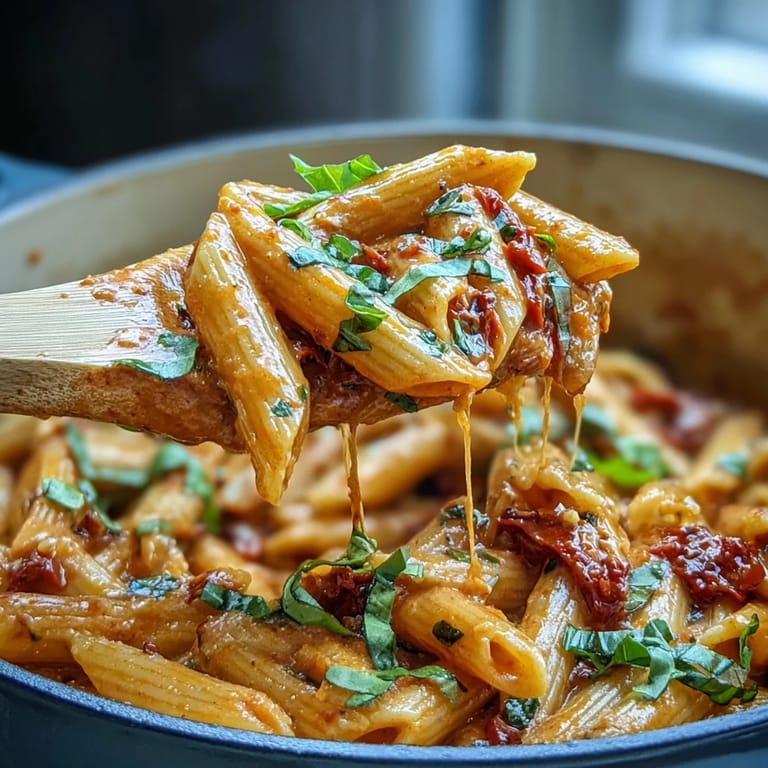
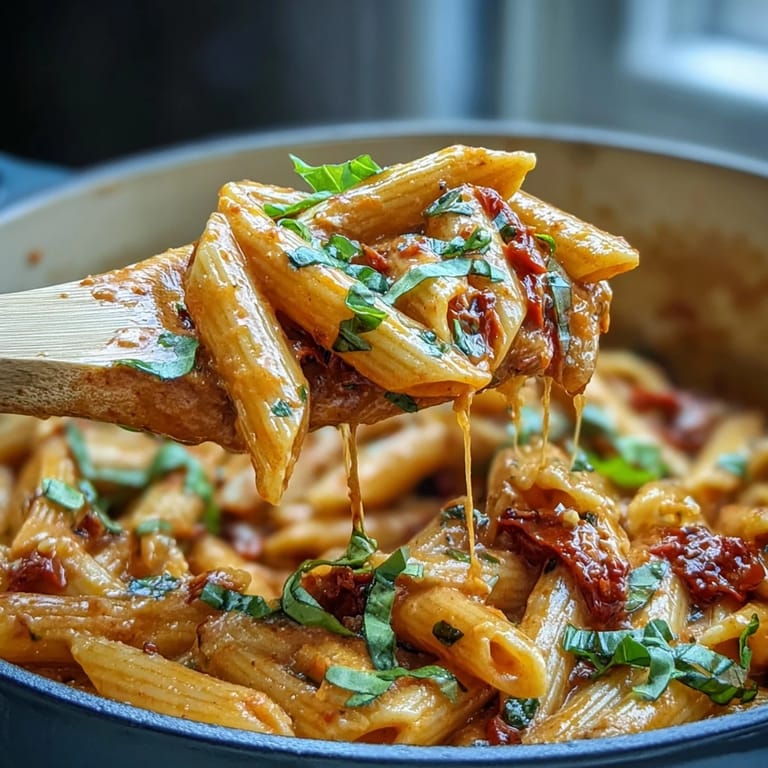
- Penne or linguine pasta (340 g / 12 oz dry): Choosing penne gives a hearty bite, but linguine’s width cradles the creamy sauce beautifully—break long noodles in half to fit your pot.
- Heavy cream (120 ml / 1/2 cup): This is the key to a velvety, rich sauce—don’t add it too early or it may separate.
- Grated Parmesan cheese (60 g / 1/2 cup): Adds that distinctive savoriness and some thickness—use freshly grated if you can.
- Unsalted butter (1 tbsp): Just a dab rounds out the tomato’s acidity; let it melt in fully before proceeding.
- Yellow onion (1, finely chopped): Sauté just until translucent to avoid bitterness; it acts as a mellow flavor base.
- Garlic cloves (3, minced): A staple for fragrant depth—add after onions to keep it from burning.
- Diced tomatoes (800 g / 2 cans, undrained): Their juices become your sauce, so don’t drain; if using fire-roasted, expect more smokiness.
- Fresh basil leaves (60 g / 2 cups, chopped): Stir some in at the end and scatter more on top for bursts of herby aroma.
- Vegetable broth (720 ml / 3 cups): Use low-sodium to avoid over-salting—homemade broth brings extra depth.
- Olive oil (1 tbsp): A gentle start for your aromatics and a subtle flavor layer.
- Salt and pepper to taste: Taste along the way—Parmesan and broth can add more salt than you realize.
- Red pepper flakes (pinch, optional): Adds quiet heat if you want a little zing, but skip for a mellow finish.
Tired of Takeout? 🥡
Get 10 meals you can make faster than delivery arrives. Seriously.
One email. No spam. Unsubscribe anytime.
Instructions
- Sauté your aromatics:
- Warm olive oil in a deep pot over medium, then add onion and stir until it just turns translucent—don't rush this step. Once the aroma sweetens, toss in the garlic and give it a minute until fragrant.
- Start the one-pot magic:
- Pour in uncooked pasta, diced tomatoes with their juices, vegetable broth, and butter; stir everything together so the pasta nestles down into the sauce.
- Season and bring to a simmer:
- Add salt, pepper, and a small pinch of red pepper flakes if you fancy a bit of warmth. Crank up the heat to bring it all to a gentle boil, then drop to a simmer so nothing sticks.
- Let the pasta absorb:
- Cook uncovered, stirring regularly—watch the sauce thicken and the kitchen fill with tomato and basil scents. The pasta should be al dente and most liquid nearly gone after 12 to 14 minutes.
- Finish with creamy comforts:
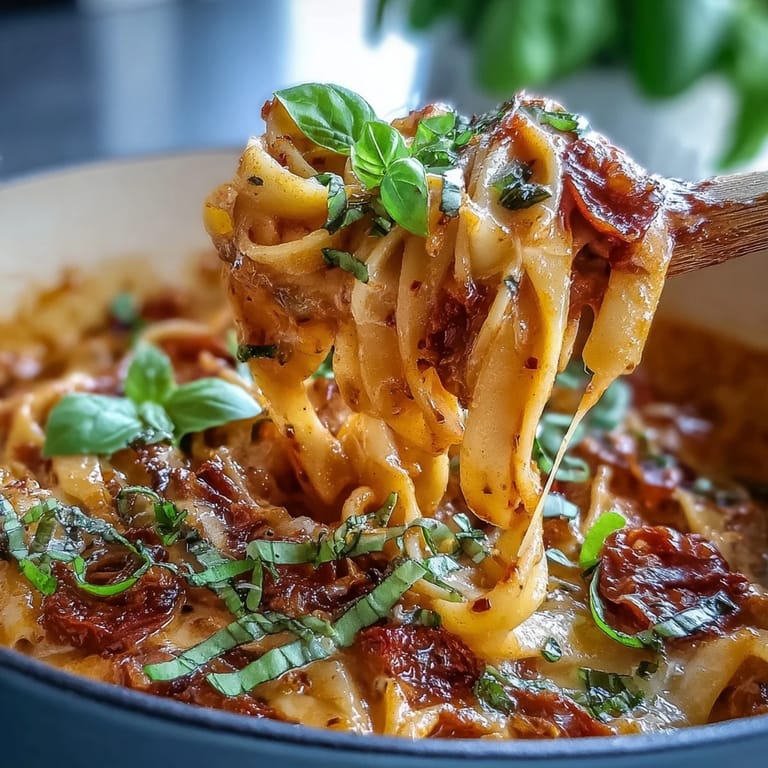
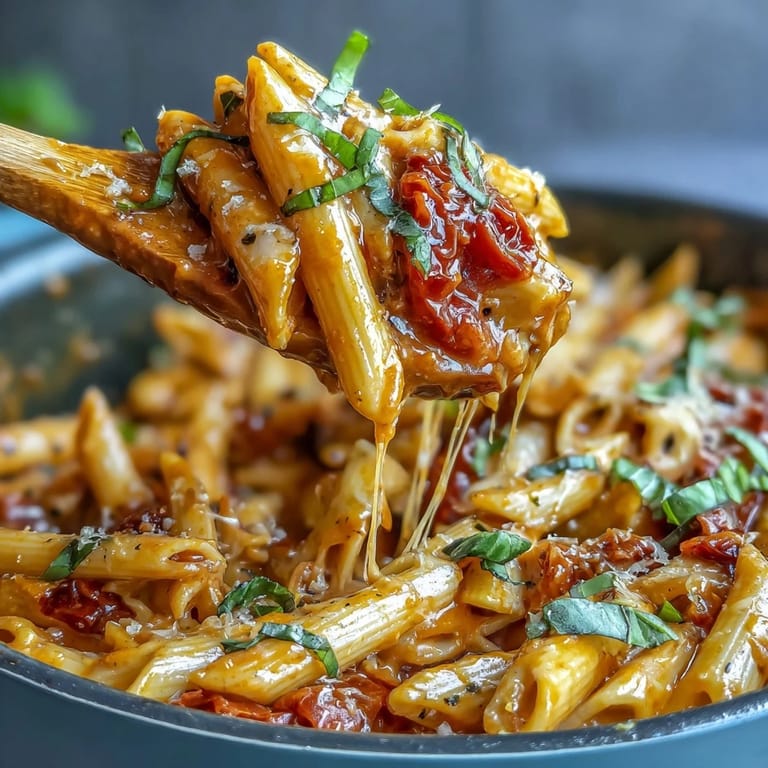
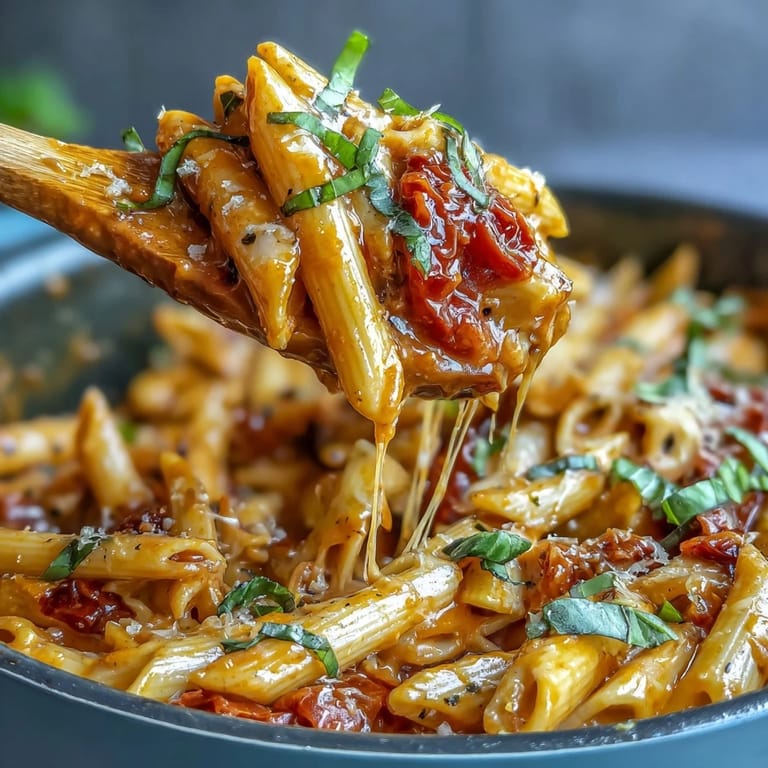
- Pour in the heavy cream, sprinkle in Parmesan, and fold in the chopped basil, stirring until everything turns luxuriously creamy and bright green flecks dot the pot.
- Taste and tweak:
- Spoon up a little to check the seasoning, and adjust with extra salt or pepper if needed.
- Serve and savor:
- Twirl into bowls straight from the pot and scatter over extra basil and Parmesan; serve immediately while it’s at its luscious best.
 Pin It
  Pin It
 One chilly weeknight, I made this for a neighbor who’d just moved in, and we ended up chatting over pasta until midnight. By the second helping, it was clear the dish had officially served its purpose: not just a meal, but a welcome, and a reason to linger at the table.
Choosing the Right Pot for One-Pot Pasta
A wide, deep pot with high sides makes all the difference here—it helps the pasta move freely and cooks everything evenly. Too small, and you’ll risk sticking or uneven cooking, so choose roomy over snug whenever possible. A heavy-bottomed pot also helps prevent burning if you get distracted for a minute. Don’t shy away from your Dutch oven for this one. Cleanup is as breezy as the cooking itself.
Making It Your Own
This recipe is endlessly adaptable—swap linguine for rotini or toss in a handful of spinach at the end for extra greens. Use coconut cream and vegan Parmesan if you want a dairy-free version, or stir through roasted zucchini for added texture. Sometimes I even add a squeeze of lemon for brightness on warm days. There’s no wrong way—just find your favorite combination.
Serving and Storing in Real Life
Leftovers reheat beautifully with a splash of broth or cream, restoring their silky finish in seconds. Serve it alongside a simple leafy salad, or pair with toasted bread to mop up every last bit. When storing, keep the pasta and sauce in an airtight container and wait to garnish with fresh basil until serving.
- Letting the dish sit for a few minutes after cooking thickens the sauce.
- Reserve a little pasta water if you like your sauce lighter.
- Don’t be shy with extra Parmesan on top.
 Pin It
  Pin It
 This one-pot pasta might just convert skeptics into creamy sauce enthusiasts—it’s that simple and rewarding. Here’s hoping your kitchen fills with just as much good smell and laughter as mine did.
Recipe FAQs
- → Can I use a different pasta shape?
Yes. Short, ridged shapes like penne or rigatoni hold the sauce best, but linguine or spaghetti can be used. Adjust cooking time and stir frequently to prevent long strands from clumping.
- → How can I make this dairy-free?
Swap heavy cream for full-fat coconut cream and use a vegan Parmesan or nutritional yeast. Check the broth and canned tomatoes for added animal ingredients if you need a strict dairy-free version.
- → What prevents the pasta from sticking during cooking?
Stir frequently while it simmers, keep the heat at a gentle simmer rather than a rolling boil, and ensure there’s enough broth to allow the pasta to move and release starch gradually.
- → Can I prepare this ahead or freeze it?
Refrigerate leftovers up to 3 days. For freezing, consider omitting the cream—freeze the cooled pasta and sauce for up to 2 months, then thaw and stir in cream and fresh basil when reheating to refresh the texture.
- → Any tips for extra vegetables or variations?
Sautéed spinach, mushrooms or roasted vegetables fold in nicely at the end to preserve texture. For more heat, add a pinch of red pepper flakes; for brightness, finish with extra chopped basil and a squeeze of lemon if desired.
- → How do I adjust seasoning and thickness?
After the liquid reduces and you add cream and cheese, taste and season with salt and pepper. If too thick, add a splash of broth or cream; if too thin, simmer a few more minutes to concentrate flavors.