 Pin It
 I discovered these cups during an afternoon spent scrolling through photographs of Dubai's glittering dessert scene, mesmerized by the way chocolate gleamed under studio lights. What struck me most wasn't the luxury of it all, but how something so elegant could actually live in my own kitchen. The first time I made them, my daughter wandered in halfway through, drawn by the smell of caramelizing pistachios, and watched the whole process unfold like I was performing some kind of edible magic. That moment—her eyes wide as I drizzled the rosewater over fresh strawberries—made me realize this wasn't just a recipe, it was an invitation to slow down and create something worth savoring.
I made these for my partner's birthday dinner last spring, when strawberries were finally good again and the kitchen felt warm in that way that makes you want to cook something special. Watching him taste one and go completely quiet for a second—that pause before the smile—told me everything I needed to know. It became our little tradition after that, something we'd make together on quiet Sunday afternoons when the weather turned nice.
Ingredients
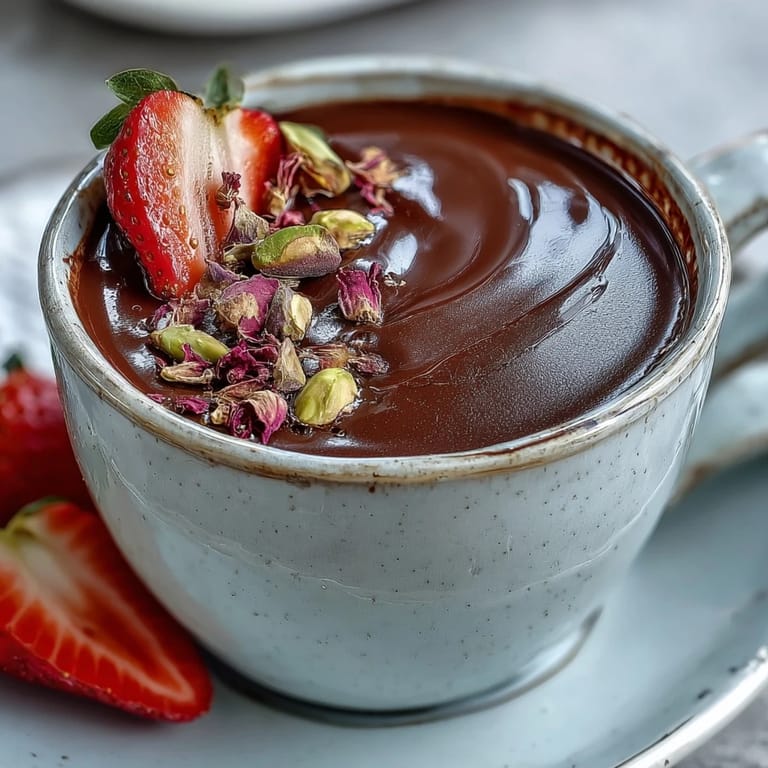
- High-quality dark chocolate (70% cocoa), chopped: This is where quality genuinely matters—buy chocolate you'd actually want to eat on its own because it becomes the entire structure here, and anything cheap will taste thin and waxy once it sets.
- Fresh strawberries, hulled and diced: Look for berries that smell sweet at the stem and have that deep red color all the way through; pale pink ones won't give you the brightness this dessert needs.
- Rosewater: Use the culinary kind, not perfume, and go easy—a little goes impossibly far and can quickly tip from elegant to soapy if you're not careful.
- Honey: It adds a subtle warmth that rounds out the tartness of the berries without making them taste like jam, which is exactly what you want.
- Orange zest: One whole orange gives you enough zest to bring a citrus brightness without overwhelming the delicate floral notes.
- Unsalted pistachios, shelled and roughly chopped: Shelling them yourself takes five minutes longer but tastes infinitely better than pre-shelled, and the rough chop gives you varied textures when they caramelize.
- Caster sugar and sea salt for the pistachio crunch: These transform raw nuts into something that shatters between your teeth, adding necessary texture contrast to each bite.
- Edible dried rose petals for garnish: These are optional but they finish the dish exactly the way it deserves—like you meant for this to be beautiful from the very start.
Tired of Takeout? 🥡
Get 10 meals you can make faster than delivery arrives. Seriously.
One email. No spam. Unsubscribe anytime.
Instructions
- Melt your chocolate gently and coat the molds:
- Use a double boiler if you have the patience for it, or microwave in 30-second bursts if you're working with time constraints—overheating chocolate turns it grainy and sad. Brush the melted chocolate inside your molds with slow, deliberate strokes, making sure you reach into the corners and create an even layer that's thick enough to hold its shape but not so thick it becomes heavy.
- Give it two coats for structure:
- The first chill sets the base, and the second coat (applied after that 10-minute rest) is insurance against thin spots. This is where patience becomes your best ingredient—rushing this step means your cups will crack when you try to unmold them, and that's a disappointment worth avoiding.
- Make the pistachio crunch while chocolate chills:
- Watch the sugar-water mixture shift from syrupy clear to deep amber, stirring the pistachios constantly so they toast evenly and catch the heat. When it smells nutty and golden, spread it immediately onto parchment because it hardens fast and you want to stop it at the moment of perfect crunch, not a second later.
- Macerate your strawberries with intention:
- The rosewater, honey, and orange zest need those 10 minutes to soften the berries slightly and infuse them with fragrance—this isn't something to rush. You'll notice the berries release their juice and everything starts to smell like a very sophisticated fruit, which is exactly right.
- Assemble with care and serve promptly:
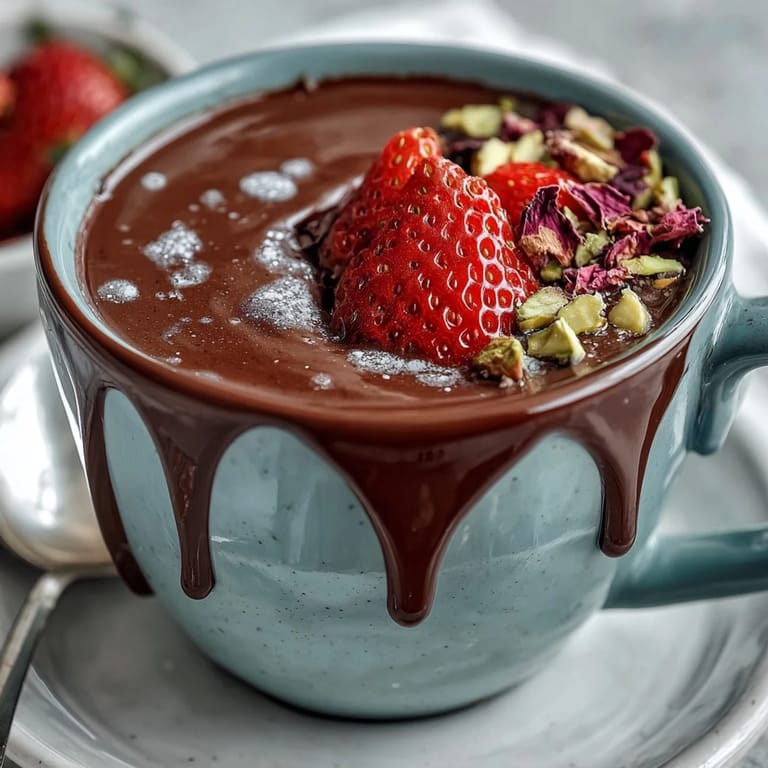
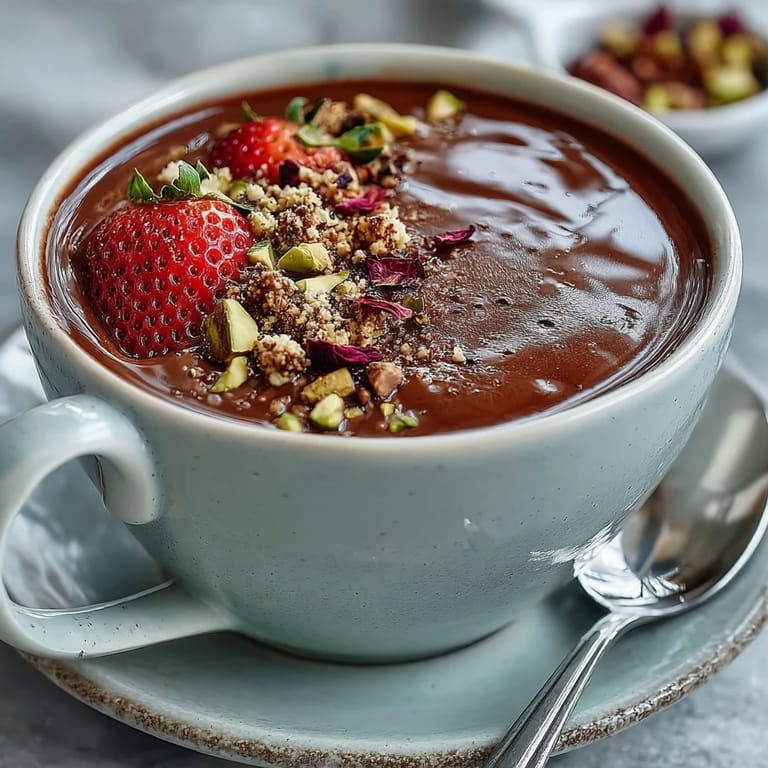
- Gently unmold your chocolate cups and fill them just before serving so the bottom stays crisp and the contrast between cold chocolate and the cool strawberry filling is exactly what you promised. Top with pistachio crunch and rose petals, and watch people's faces as they take the first bite.
 Pin It
 There was something transcendent about serving these at a small dinner party last year, watching guests pause between bites to ask what made them taste so complete, so balanced. It taught me that sometimes the most impressive dishes are simply about understanding how a few really good ingredients can speak to each other in a way that feels almost like a conversation.
The Chocolate Foundation That Changes Everything
The chocolate cups are really the entire point here, and treating them with respect changes the outcome dramatically. I used to think thinner was better because it felt more delicate, but thin chocolate cracks and thick chocolate tastes heavy—the sweet spot is somewhere in the middle, where the chocolate is resilient enough to hold shape but still snaps cleanly when you bite into it. The double-coat method isn't fancy or unnecessary; it's the difference between a dessert that feels purposeful and one that falls apart on you.
Why Rosewater Transforms Everything Here
Rosewater seemed terrifying the first time I used it, like I was one tablespoon away from accidentally making something that tasted like perfume. What I discovered is that when it's paired with strawberries and honey, it doesn't announce itself—it creates depth, a subtle floral undertone that makes people taste something they can't quite name. It's the ingredient that takes this from a nice chocolate cup to something memorable, something that lingers in your mind after dessert is finished.
Timing and Temperature Control
The most important skill here is understanding temperature—chocolate needs to be melted slowly enough that it stays glossy and smooth, strawberries need to macerate long enough that they become juicy but not long enough that they turn into compote, and the pistachio crunch needs to cool completely or it won't shatter satisfyingly. I've learned that working with these timing windows isn't restrictive; it actually frees you because once you understand them, you can move through the recipe with confidence instead of worry.
- Chill your chocolate molds in the refrigerator rather than the freezer so the chocolate sets gently without becoming too brittle.
- If your pistachio crunch refuses to harden completely, you can finish it in a low oven for a few minutes, but watch it like you're babysitting because it will harden quickly once it starts.
- Make these on a day when you're not rushed because the magic of them comes from doing each step thoughtfully, not quickly.
 Pin It
 These cups live in that beautiful space where elegance and accessibility meet, where you can create something that feels absolutely worth celebrating without spending hours in the kitchen. Make them when you want to remind yourself that sometimes the most meaningful meals are the ones you take your time with, even if the time itself isn't that long.
Recipe FAQs
- → How do I make the chocolate cups sturdy?
Melt high-quality dark chocolate gently and coat the molds twice, chilling between layers to ensure a firm structure.
- → What is the best way to prepare the pistachio crunch?
Cook pistachios with sugar syrup until caramelized and golden, then cool and chop into small clusters for texture.
- → Can I replace honey in the strawberry filling?
Yes, agave syrup can be used as a vegan-friendly alternative without compromising sweetness.
- → How long should the strawberry filling macerate?
Allow the mixture to sit for about 10 minutes to blend flavors and soften the fruit.
- → Are there any allergen concerns with this dessert?
This includes pistachios and chocolate, which may contain traces of dairy or soy; always check labels carefully.