 Pin It
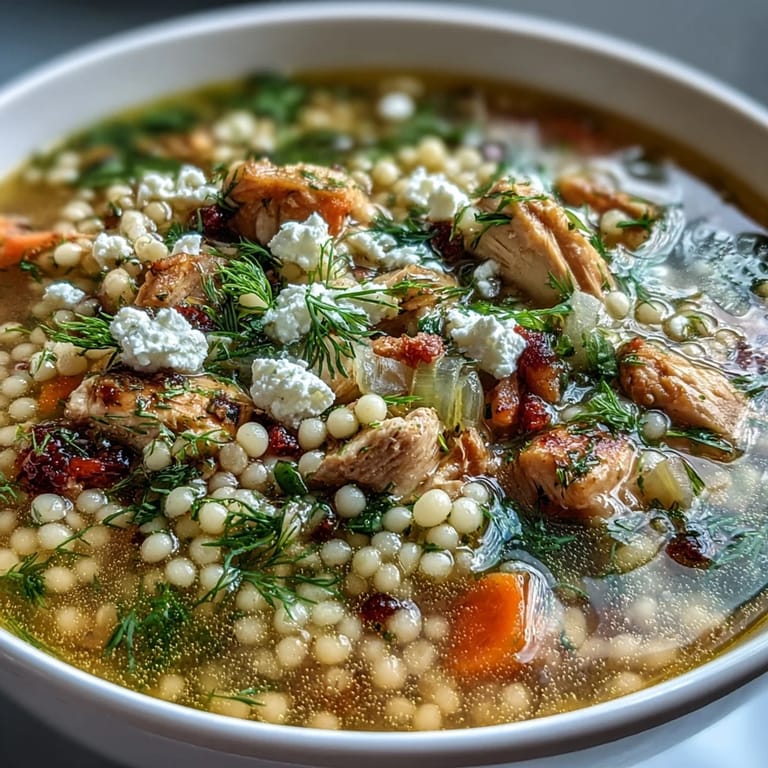
 My neighbor brought over a pot of this soup on a rainy Tuesday, and I watched the steam rise from the bowl while she explained how her grandmother made it every week in Athens. The smell of lemon and oregano filled my kitchen so completely that I had to ask for the recipe before she even sat down. Now, whenever I make it, that same brightness hits me—like sunshine captured in a spoon.
I made this for my partner after a long day at work, and he sat at the counter just watching it simmer, asking what smelled so good every few minutes. By the time it was done, the whole apartment felt warm and lived-in. He had three bowls, and we barely talked, just kept eating until the pot was nearly empty.
Ingredients
- Boneless, skinless chicken breasts (350 g, cut into bite-sized pieces): Cutting them into smaller pieces means they cook evenly and soften into the broth instead of staying chewy at the edges.
- Yellow onion, finely diced: A medium one gives sweetness without overpowering the lemon, and dicing it fine helps it melt into the base.
- Carrots, sliced: Medium carrots add natural sweetness and texture; I peel them because the skin can slip off in the heat.
- Celery stalks, sliced: This is the quiet ingredient that builds flavor depth, so don't skip it even if you think you don't like celery.
- Garlic, minced (3 cloves): Minced rather than sliced means it disperses throughout instead of giving you occasional intense bursts.
- Chicken stock, low-sodium (1.5 liters): Low-sodium lets the lemon and oregano shine; homemade stock elevates this from weeknight soup to something special.
- Pearl couscous (120 g): This tiny pasta swells beautifully and stays tender without turning to mush, unlike regular couscous.
- Olive oil (2 tablespoons): Good quality matters here since it's not cooked down; I use the kind I'd drizzle on bread.
- Bay leaf and dried oregano: The bay adds a subtle depth, while oregano is the signature note that makes it taste Greek without being heavy-handed.
- Lemon zest and juice: Fresh lemon is non-negotiable; bottled juice tastes flat and misses the entire point of this soup.
- Feta cheese, crumbled: Creamy and salty, it melts slightly into the hot broth and anchors each spoonful.
- Fresh dill (2 tablespoons, optional): Optional but worth it; it adds a grassy freshness that makes you feel like you're eating something both elegant and simple.
Tired of Takeout? 🥡
Get 10 meals you can make faster than delivery arrives. Seriously.
One email. No spam. Unsubscribe anytime.
Instructions
- Start with the aromatic base:
- Heat olive oil in a large pot over medium heat, then add onion, carrots, and celery. Let them soften for about 5 minutes, stirring occasionally so they cook evenly without browning. You'll know they're ready when the onion becomes translucent and you can easily break a carrot piece with a wooden spoon.
- Build the flavor foundation:
- Stir in the minced garlic and cook for just 1 minute until it smells fragrant and amazing. Don't skip this step or extend it; garlic burns quickly and turns bitter, but a minute is perfect for releasing its aromatics into the oil.
- Cook the chicken gently:
- Add your bite-sized chicken pieces and stir occasionally for 3 to 4 minutes until the outside loses its raw pink color. They don't need to be fully cooked now since they'll finish in the broth, but this initial sear keeps them from breaking apart later.
- Create the broth:
- Pour in all the chicken stock, then add the bay leaf and oregano. Bring everything to a gentle boil, then adjust heat so it's just barely bubbling. This gentle approach keeps the broth clear and the chicken tender.
- Add the pearl couscous:
- Stir in the couscous and reduce heat to a simmer. Cook uncovered for 15 to 18 minutes, stirring occasionally, until the couscous is tender and the chicken is cooked all the way through. The couscous will absorb liquid as it cooks, so the soup thickens naturally without any cream.
- Finish with brightness:
- Remove from heat, fish out the bay leaf, then stir in the lemon zest and juice. Taste it and adjust salt and pepper until it tastes balanced. The lemon should make you want another spoonful immediately.
- Serve with intention:
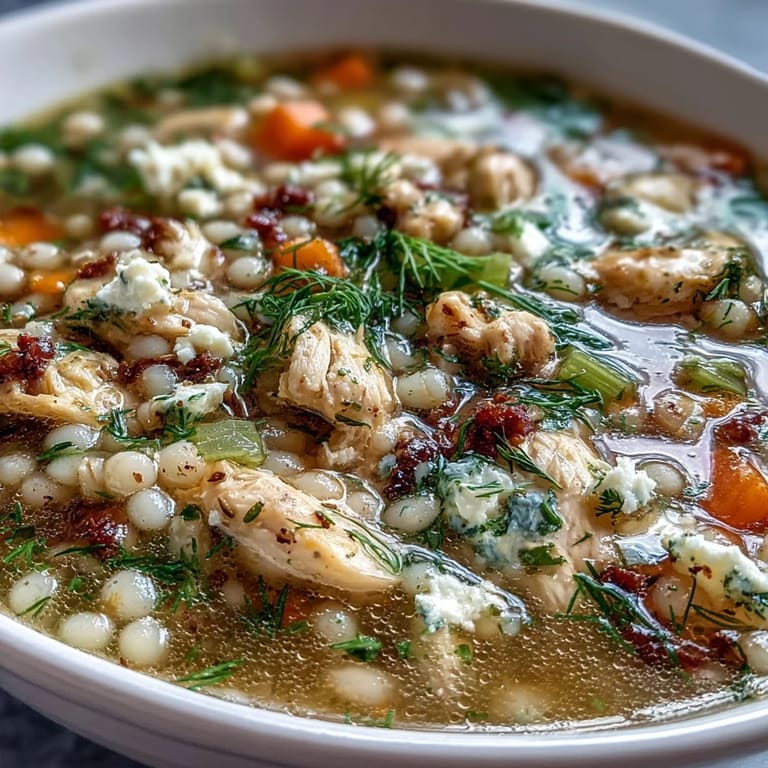
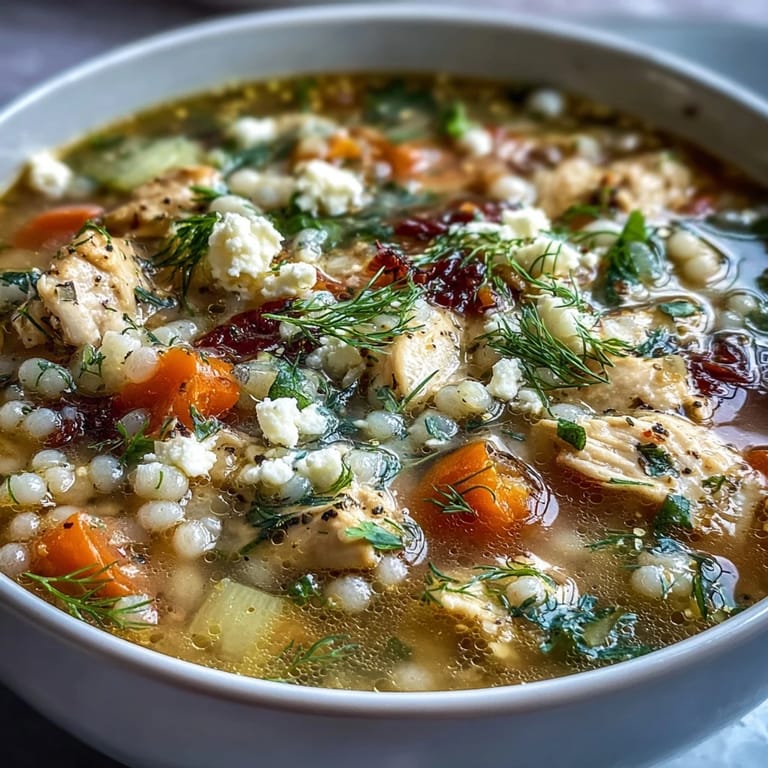
- Ladle the soup into bowls and top each one with a generous scatter of crumbled feta and a sprinkle of fresh dill if you're using it. Serve with lemon wedges on the side so people can add more brightness if they want.
 Pin It
 My daughter tasted this and asked why it tasted like summer even though it was snowing outside. That's when I realized this soup isn't just comfort food; it's a small escape to somewhere warmer and kinder.
Why Homemade Stock Changes Everything
The first time I made this with store-bought broth, it was good. The second time, I used homemade stock from a roasted chicken, and it became something else entirely. The soup gained depth and richness that no amount of seasoning could replicate. It's one of those moments where you realize a simple ingredient swap isn't just better; it's transformative.
The Secret of Pearl Couscous
Regular couscous dissolves into mush if you look at it too long, but pearl couscous holds its shape and develops a tender-but-toothsome texture that's almost like tiny pasta. It also absorbs all the flavors of the broth without getting soggy, which means every bite tastes intentional. Once I discovered this, I stopped serving the soup with bread on the side because the couscous makes it substantial enough on its own.
Making It Your Own
This recipe is forgiving enough to accommodate what you have in your kitchen. Some people add a handful of baby spinach in the last minute for more vegetables, others swap in boneless thighs for extra richness, and a vegetarian friend makes hers with chickpeas and vegetable stock instead. The lemon and oregano are the spine of the dish; as long as those stay true, everything else can bend to your needs.
- If you're cooking for someone with gluten concerns, check that your couscous is labeled gluten-free before adding it.
- Leftover soup keeps for three days in the fridge and tastes even better the next day as flavors deepen and meld together.
- Warm a bowl of this whenever you need to remember that simple food, made with care, is often the most nourishing.
 Pin It
 This soup is proof that you don't need complicated techniques or exotic ingredients to feed people something they'll remember. Make it once, and it'll become the recipe you turn to when someone needs comfort, or when you just want to feel like you're cooking with intention.
Recipe FAQs
- → What makes this Greek-style soup different from traditional chicken soup?
The pearl couscous adds a unique texture compared to traditional noodles or rice, while the combination of lemon juice and zest gives this soup its characteristic bright, zesty flavor profile. The feta garnish provides a creamy, tangy finish that's distinctly Mediterranean.
- → Can I make this soup ahead of time?
Yes, this soup reheats beautifully. Store in an airtight container in the refrigerator for up to 3 days. The pearl couscous will continue absorbing liquid, so you may need to add more broth when reheating. Add fresh garnishes just before serving.
- → Is pearl couscous the same as regular couscous?
No, pearl couscous (also known as Israeli couscous) is larger and has a chewier texture than the tiny North African couscous. It holds its shape well in soups and provides a more substantial, satisfying bite that doesn't become mushy during cooking.
- → What can I substitute for the pearl couscous?
You can use orzo pasta, rice, or small pasta shapes like ditalini. Adjust cooking times accordingly as these may cook faster or slower than pearl couscous. For a low-carb option, try cauliflower rice or simply add more vegetables.
- → How do I prevent the chicken from becoming dry?
Cut the chicken into uniform bite-sized pieces and avoid overcoating. The gentle simmering method keeps the meat tender. Using chicken thighs instead of breasts can also provide more moisture and flavor if you prefer a juicier result.
- → Can I freeze this soup?
While it's possible to freeze, the texture of pearl couscous may become softer upon thawing. For best results, freeze without the couscous and add fresh pearl couscous when reheating. The soup will keep frozen for up to 3 months.