 Pin It
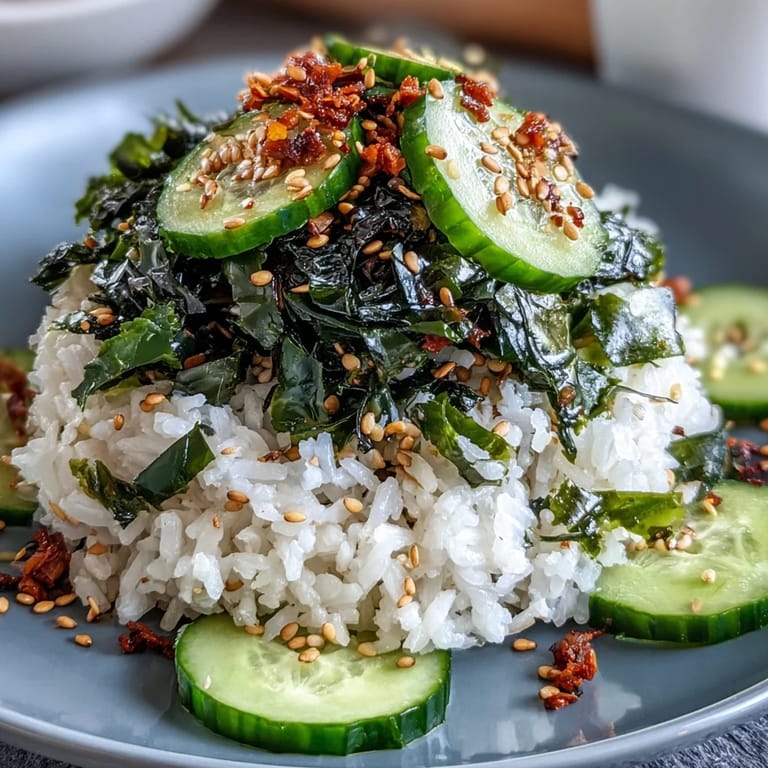
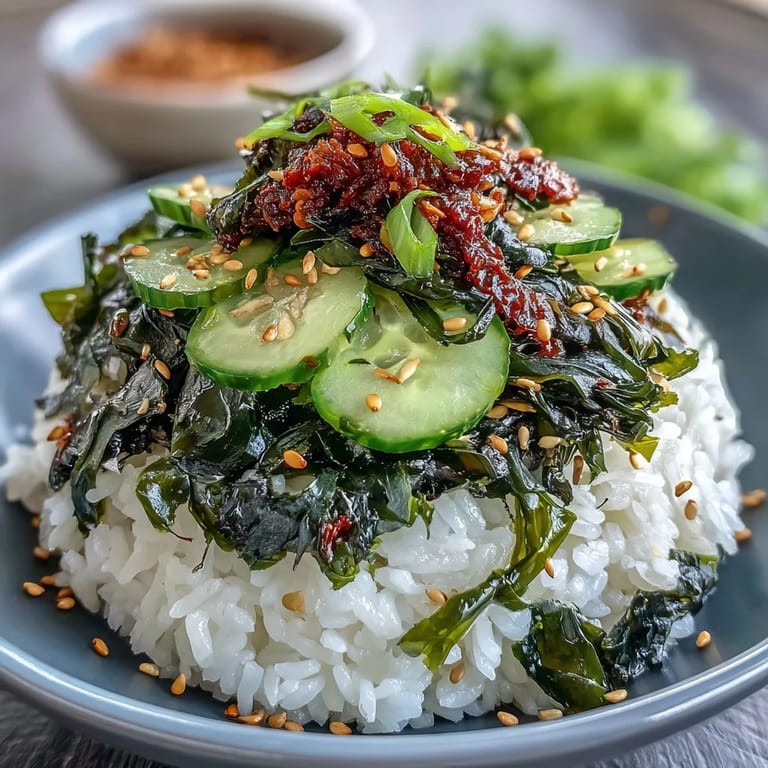
 Discover the delicate balance of Japanese flavors with this nourishing Seaweed & Nori Rice Bowl. This vibrant meal features seasoned sushi rice paired with the deep umami of assorted seaweeds and the refreshing crunch of fresh cucumber. It is a light yet satisfying dish that brings the essence of a sushi bar directly to your kitchen, perfect for a quick lunch or a healthy dinner.
Pin It This recipe emphasizes simple, high-quality ingredients. By seasoning the sushi rice with a classic mixture of rice vinegar, sugar, and salt, you create a slightly sweet and tangy base that complements the salty, oceanic notes of the seaweed. Topped with toasted sesame seeds and furikake, every bite offers a delightful variety of textures.
Ingredients
Tired of Takeout? 🥡
Get 10 meals you can make faster than delivery arrives. Seriously.
One email. No spam. Unsubscribe anytime.
- 1 cup sushi rice
- 1¼ cups water
- 2 tablespoons rice vinegar
- 1 tablespoon sugar
- ½ teaspoon salt
- 2 sheets nori, cut into thin strips
- ¼ cup dried wakame seaweed, rehydrated according to package instructions
- 1 tablespoon furikake (optional)
- 1 small cucumber, thinly sliced
- 2 scallions, thinly sliced
- 1 tablespoon toasted sesame seeds
- 1 tablespoon pickled ginger (optional)
- Soy sauce, to taste
Instructions
- Step 1
- Rinse the sushi rice under cold water until the water runs clear. Combine rice and water in a saucepan. Bring to a boil, then cover and reduce heat to low. Cook for 15 minutes or until water is absorbed. Remove from heat and let stand, covered, for 10 minutes.
- Step 2
- In a small bowl, mix rice vinegar, sugar, and salt. Microwave for 20 seconds or until sugar dissolves. Gently fold into the warm rice. Let cool slightly.
- Step 3
- Prepare the seaweed: Rehydrate wakame in water according to package instructions, then drain well. Cut nori sheets into thin strips using scissors or a knife.
- Step 4
- Arrange sushi rice in bowls. Top with rehydrated wakame, nori strips, cucumber slices, and scallions.
- Step 5
- Sprinkle with toasted sesame seeds and furikake (if using). Add pickled ginger on the side, if desired.
- Step 6
- Serve immediately with soy sauce.
Zusatztipps für die Zubereitung
To ensure the best texture, always rinse your sushi rice until the water is no longer cloudy; this removes excess starch and prevents the rice from becoming overly gummy. When seasoning the rice, use a gentle folding motion with a rice paddle or large spoon to incorporate the vinegar mixture without mashing the grains. Allow the rice to cool slightly before adding the toppings to keep the seaweed and vegetables crisp.
Varianten und Anpassungen
You can easily customize this bowl for extra color and nutrition by adding sliced avocado, edamame, or shredded carrots. For those looking to increase the protein content, consider topping the bowl with marinated tofu or a soft-boiled egg (note that the egg would make the dish no longer vegan). If you enjoy a bit of heat, serve the bowl with a small side of wasabi for a spicy kick.
Serviervorschläge
Serve this bowl immediately while the rice is slightly warm and the nori is still crisp. Provide soy sauce on the side so diners can adjust the saltiness to their preference. For a complete Japanese-inspired meal, pair this rice bowl with a warm cup of miso soup or a side of steamed edamame.
 Pin It
 Whether you are a long-time fan of Japanese cuisine or looking for a new way to enjoy seaweed, this Seaweed & Nori Rice Bowl is a versatile and refreshing addition to your recipe collection. Enjoy the simple elegance of these traditional flavors in every bowl.
Recipe FAQs
- → How do I prepare the sushi rice for this dish?
Rinse the sushi rice under cold water until clear, then cook with water until tender. Mix rice vinegar, sugar, and salt, then fold gently into the warm rice for seasoning.
- → What types of seaweed are included?
Thin strips of nori and rehydrated wakame seaweed combine for varied textures and authentic umami flavor.
- → Can I add protein to this bowl?
Yes, toppings like marinated tofu or a soft-boiled egg suit this dish well for added protein, especially if not following a vegan diet.
- → What can I use to enhance the flavor?
Toasted sesame seeds and optional furikake provide nutty and savory tones, while pickled ginger and soy sauce add brightness and depth.
- → Is this dish suitable for vegan diets?
Yes, the core ingredients are plant-based. Just avoid optional toppings like pickled ginger containing fish extracts and eggs if strict vegan.