 Pin It
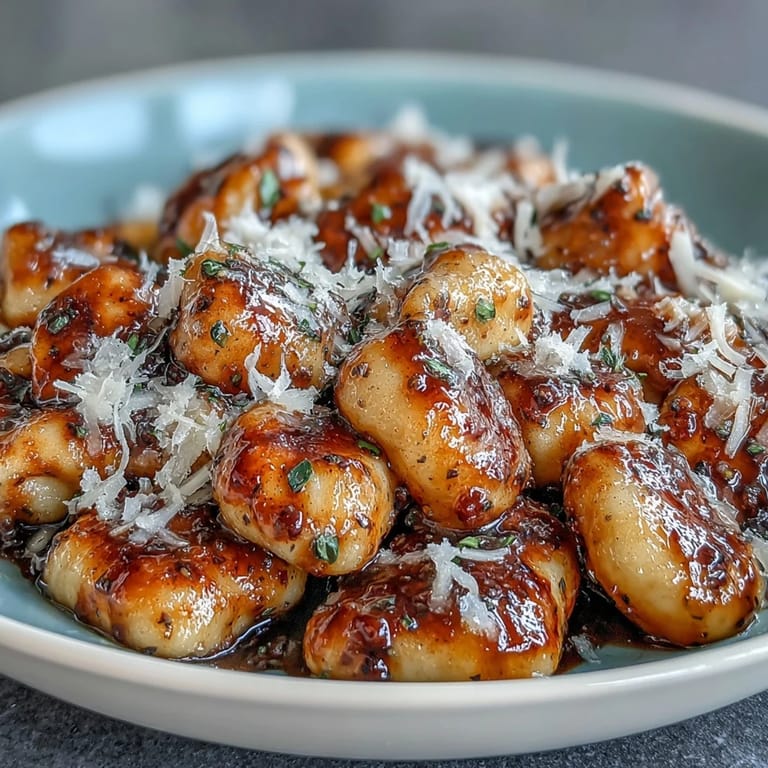
 There's a moment that happens in certain kitchens—usually on a quiet evening when you're cooking just for the sake of it—where simplicity transforms into something magical. That's what happened the first time I made this truffle-butter gnocchi, not because I followed some complicated technique, but because I stopped overthinking and let three honest ingredients do their job. The butter whispered, the truffle perfumed the air, and suddenly a weeknight dinner felt like stealing a table at some hidden Roman trattoria.
I tested this dish on a friend who'd just moved to the city and was convinced that restaurant food was fundamentally different from home cooking. Watching her fork through that first bite, then pause, then go quiet—that's when I realized this recipe works because it respects both the ingredient and the person eating it. No fussing, no pretense, just gnocchi that tastes like someone cared.
Ingredients
- Fresh potato gnocchi (500 g): Use the best quality you can find—look for brands that list just potatoes, flour, and maybe egg on the label, and if your market has a fresh pasta counter, ask them directly about their gnocchi that morning.
- Unsalted butter (60 g), softened: Softening it ahead means the truffle paste will fold in without breaking down the butter's structure, keeping the sauce silky rather than separated.
- Black truffle paste or truffle oil (2 tsp): Paste tends to carry more actual truffle flavor, but good truffle oil works beautifully too—the heat will release its perfume right at the moment you need it most.
- Garlic clove (1 small, finely minced): Just one, because garlic here is a whisper, not a shout; it brightens the earthiness without overpowering the truffle's delicate voice.
- Salt and freshly ground black pepper: Don't skip the grinding step—the coarse pepper adds a little texture and reminds your palate that this is simple food done right.
- Parmesan cheese (40 g), shaved: A sharp vegetable peeler works better than a grater here, giving you those thin, curling shards that melt slightly from the warmth of the gnocchi.
- Fresh chives or flat-leaf parsley (1 tbsp, chopped, optional): A small green flourish that catches the light on your plate and adds a whisper of fresh flavor at the very end.
Tired of Takeout? 🥡
Get 10 meals you can make faster than delivery arrives. Seriously.
One email. No spam. Unsubscribe anytime.
Instructions
- Boil the gnocchi until they float:
- Fill a large pot with salted water—it should taste like the sea—and bring it to a rolling boil. Add the gnocchi all at once and watch for that magical moment when they rise to the surface like little clouds deciding to float. Give them another 30 seconds or so, then fish them out with a skimmer, letting the water drain right back into the pot.
- Make your truffle butter foundation:
- While the water heats, place a skillet over low warmth and add your softened butter, letting it melt into a glossy pool. Stir in the truffle paste or oil and the minced garlic, staying right there so you can smell when it shifts from raw to fragrant—usually about a minute.
- Bring the gnocchi and truffle butter together:
- Add the drained gnocchi directly to the skillet and toss with the gentleness you'd use to fold whipped cream into chocolate mousse. The butter will coat every piece, and the warmth will release that truffle aroma in a way that makes you grateful you're standing right there.
- Season and taste:
- Grind some black pepper over the whole pan, taste a piece, adjust salt if needed—this is the moment where you're really cooking, responding to what's in front of you rather than just following directions.
- Plate and finish:
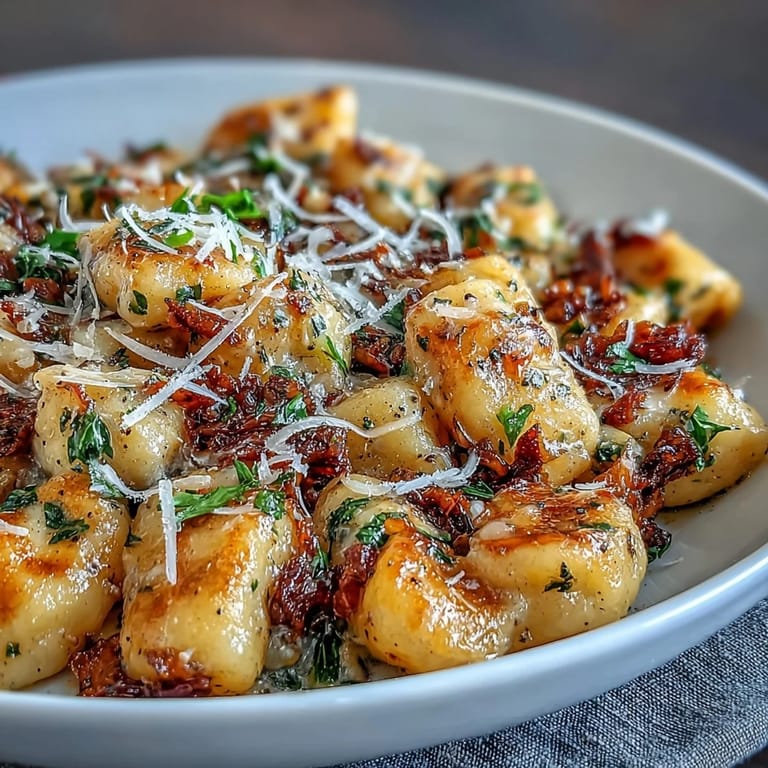
- Divide the gnocchi among warm bowls or shallow plates, then use that vegetable peeler to shave Parmesan directly over the top. Scatter your chives or parsley if you're using them, and serve immediately so the textures stay distinct and the aroma hasn't faded.
 Pin It
 There was a night when someone asked me why I bothered cooking this instead of ordering it from a restaurant, and I realized the answer isn't about the price or even the final taste—it's about the permission that cooking gives you to pause your day, to notice how butter smells, to feel like you've done something good for the people you're feeding. That's what this dish offered me, wrapped up in something that takes less time than most deliveries.
The Truffle Butter Matters More Than You Think
The entire soul of this dish lives in that moment when truffle meets warm butter. I learned this by once trying to rush—adding cold truffle paste to cooler butter in a hurry—and watching the sauce break into little separated bits rather than becoming a unified, glossy coating. Now I always let the butter come to the right temperature first, almost foaming gently, before the truffle joins it. Temperature isn't fussy; it's the difference between a dish that sings and one that confuses your palate.
Fresh Gnocchi Changes Everything
There's a world of difference between frozen gnocchi and the fresh kind you find at a good pasta counter, though both have their place. Fresh gnocchi cooks in just those 2–3 minutes and carries an almost delicate, pillowy quality that soaks up butter like a blessing. When they're that tender, you need nothing but restraint and respect—any heavy hand or complicated sauce would bury what makes them special.
Small Details That Transform a Simple Dish
What separates a forgettable plate from one you'll remember is often something invisible—the way you shave the Parmesan, the heat of your plate, the timing of that final pepper grind. I started paying attention to these small choices after making this dish dozens of times and noticing that some versions lingered in memory while others faded. Now I treat every element, even the ones that seem minor, as part of the conversation between cook and diner.
- Always warm your serving plates or bowls under hot water before plating, so the gnocchi stays at its perfect temperature from first bite to last.
- If you have access to white truffle oil instead of black truffle paste, use it the same way—the flavor profile shifts slightly but the elegance remains.
- Taste the butter sauce on a gnocchio before you plate everything, adjusting seasoning so you're confident rather than hoping.
 Pin It
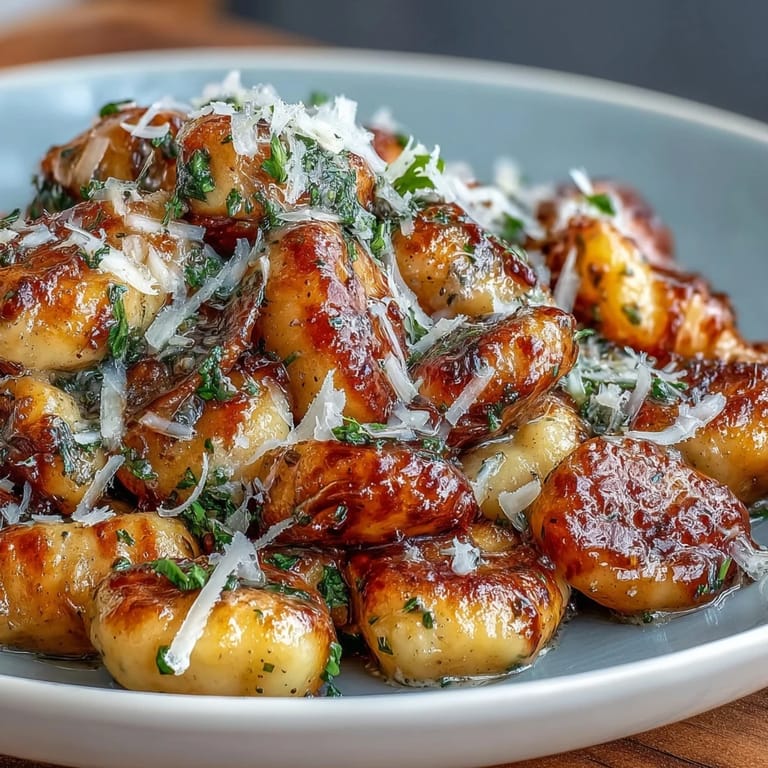
 This recipe taught me that not every dish needs innovation or technique to be worth making—sometimes the greatest gift you can offer someone is restraint, respect for ingredients, and the warmth of knowing they were fed by your own hands. Serve it, watch the faces around your table, and understand that simplicity, when done right, is its own kind of luxury.
Recipe FAQs
- → What type of gnocchi works best?
Fresh potato gnocchi offers the lightest and softest texture, ideal for absorbing the truffle butter flavors.
- → How can I enhance the truffle butter flavor?
Gently warming the butter to brown slightly before adding truffle paste deepens its richness without overpowering the delicate aroma.
- → Can I substitute Parmesan cheese?
Pecorino Romano is a great alternative, providing a sharper, saltier finish that complements the truffle notes.
- → What herbs pair well with this dish?
Fresh chives or flat-leaf parsley add a bright, fresh contrast to the creamy richness of the butter.
- → Should the gnocchi be drained thoroughly?
Yes, carefully draining ensures the gnocchi don’t get soggy and allows the butter to coat each piece evenly.