 Pin It
 There's something about a cake that comes together in a blender that feels like cheating in the best way. I discovered this lemon yogurt cake on a Tuesday morning when I had ten minutes before a friend was stopping by for tea, and I wanted something more interesting than store-bought biscuits. The yogurt keeps it impossibly moist, the lemon zest fills your kitchen with this bright, almost electric smell, and somehow it tastes fancy without asking for much. That first bite—tart, tender, with that subtle tang underneath—made me wonder why I hadn't made it a hundred times before.
I made this for my dad's birthday breakfast last spring, and he ate two slices standing at the kitchen counter before even sitting down. He's not one for sweets typically, but something about the tartness and the tender crumb got him. I've made it maybe a dozen times since, and it's become the cake I reach for when I want something that feels homemade but doesn't make me question my life choices at midnight.
Ingredients
- Greek yogurt: The secret to moisture and that subtle tang; full-fat works best, but don't use the non-fat kind or you'll get density instead of tenderness.
- Eggs: Three large ones bind everything together and give the cake its structure and lift.
- Vegetable oil: Use a neutral oil so the lemon can be the star; olive oil will overshadow it.
- Granulated sugar: One cup sweetens the batter without making it cloying.
- Lemon zest: From two lemons, and this is where the magic lives; don't skip it or you'll lose the brightness that makes this cake sing.
- Fresh lemon juice: A quarter cup of the real thing; bottled juice tastes metallic by comparison.
- Vanilla extract: Just a teaspoon to round out the flavors without announcing itself.
- All-purpose flour: One and a half cups is all you need; measure by spooning and leveling, not by scooping.
- Baking powder: Two teaspoons gives it a gentle rise without making it cake-like and airy.
- Salt: A quarter teaspoon balances the sweetness and brings out the lemon.
- Powdered sugar: Half a cup for the glaze, if you're doing it; you can skip this entirely and the cake is still perfect.
Tired of Takeout? 🥡
Get 10 meals you can make faster than delivery arrives. Seriously.
One email. No spam. Unsubscribe anytime.
Instructions
- Set up and preheat:
- Heat your oven to 350°F and grease a 9x5-inch loaf pan with a little butter or oil, then dust it lightly with flour; parchment paper works too and makes everything easier.
- Blend the wet ingredients:
- Into the blender goes the yogurt, eggs, oil, sugar, lemon zest, lemon juice, and vanilla; blend for about thirty seconds until it's smooth and the zest is broken down into tiny flecks. You'll notice the mixture will be pale yellow and smell absolutely incredible.
- Add the dry ingredients:
- Sprinkle the flour, baking powder, and salt right into the blender, then pulse just until you don't see any white streaks anymore; this is where self-control matters because overmixing makes the cake tough.
- Pour and bake:
- Pour the batter into your pan, smooth the top with a spatula or the back of a spoon, and slide it into the oven for thirty-five to forty minutes until a toothpick poked into the center comes out clean or with just a few moist crumbs clinging to it.
- Cool down:
- Let it rest in the pan for ten minutes so it can set without being fragile, then turn it out onto a cooling rack and let it come to room temperature completely.
- Make the glaze (optional):
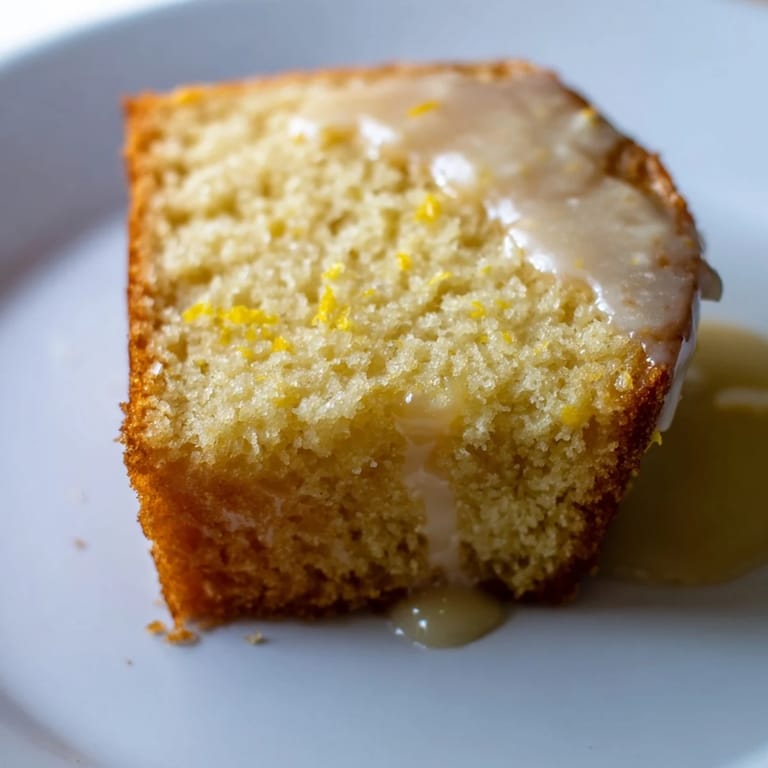
- Whisk together the powdered sugar and lemon juice until it's smooth and pourable, then drizzle it over the cooled cake in whatever pattern feels right; this step is entirely optional but adds a nice finish.
 Pin It
 What surprised me most about this cake was how often I've brought it to things and had people ask for the recipe. It's humble enough to serve with coffee at breakfast, but interesting enough to be dessert, and somewhere in between it became the cake I make when I want someone to know I care but I don't have three hours to spend in the kitchen.
The Magic of Yogurt in Baking
Yogurt does something special in cakes that plain milk or sour cream can't quite replicate; it adds moisture and tanginess at the same time, which sounds simple but changes everything about the eating experience. The acid in yogurt also reacts with the baking soda—wait, we don't have baking soda here—but it does interact with the baking powder in a way that makes the crumb tender and slightly fine. I've learned that using a full-fat Greek yogurt matters because it's thicker and richer than regular yogurt, so the cake feels luxurious rather than lean.
Why the Blender Method Works
Using a blender instead of creaming butter and sugar or whisking things by hand sounds lazy, but it's actually elegant because it combines the wet ingredients into a completely emulsified mixture before the flour even enters the equation. This means the batter is already incorporated and smooth, so you can add the dry ingredients without overworking them; it's a shortcut that also prevents mistakes. I've made this in kitchen after kitchen with different blenders, and it's never failed because the method is forgiving and predictable.
Serving Suggestions and Pairings
This cake is wonderful on its own, but I've discovered it's even better when you serve it with something that echoes its flavor or contrasts with it in an interesting way. Whipped cream softens the tartness, fresh berries add brightness and texture, and Earl Grey tea is the obvious pairing because the bergamot notes play beautifully against the lemon. A glass of cold Moscato works too if you're serving it as dessert, and honestly, sometimes I just eat a slice standing over the sink the morning after I make it.
- Toast a slice and spread it with softened butter and a tiny bit of honey for a breakfast that feels almost indulgent.
- Crumble it into yogurt with granola for a texture that works in the afternoon when you want something sweet but not heavy.
- Wrap individual slices in parchment and bring them to picnics or work because they travel beautifully and taste wonderful at room temperature.
 Pin It
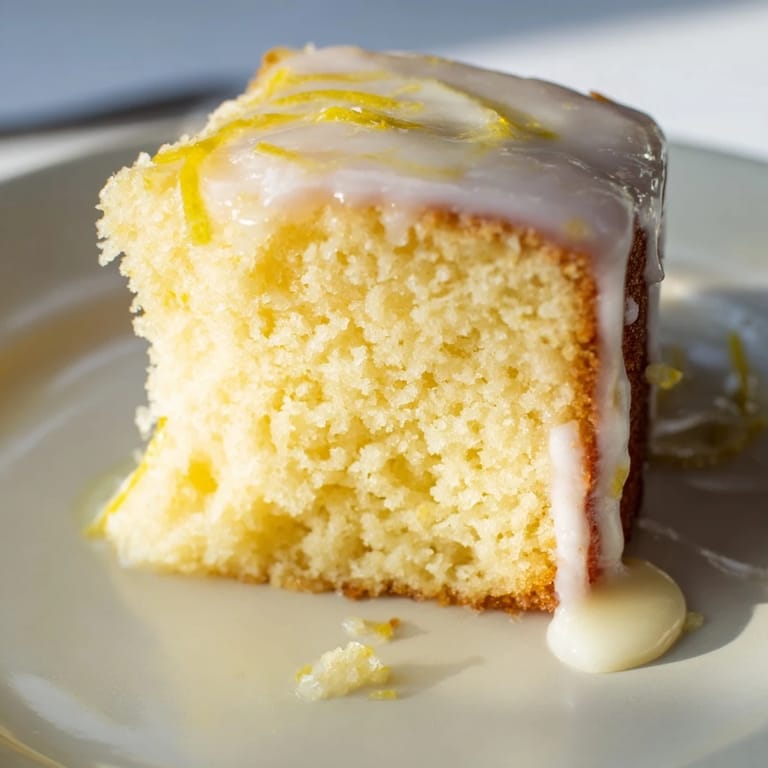
 This is the cake I make when I want to feel like I'm a person who has her life together, even though the entire thing takes forty-five minutes from start to finish. It's become the one recipe I make without looking at the card anymore, which might be the real magic.
Recipe FAQs
- → What makes the cake moist and tender?
The Greek yogurt adds moisture and creaminess, resulting in a tender crumb and rich texture.
- → Can I use regular yogurt instead of Greek yogurt?
Yes, plain whole-milk yogurt can be used as a substitute for similar tenderness and flavor.
- → How can I intensify the lemon flavor?
Adding extra lemon zest or a few drops of lemon extract enhances the citrus brightness.
- → What is the best pan for baking this cake?
A 9x5-inch loaf pan works best, ensuring even baking and proper shape.
- → Is it necessary to use a blender for mixing?
The blender creates a smooth batter quickly but you can mix by hand until combined if preferred.