 Pin It
 The kitchen smelled like a bakery by 7 a.m., and I hadn't even turned on the oven yet. That's the magic of letting cinnamon roll dough rise overnight. I started making these on a rainy Saturday with no plans, just flour on my counter and time to kill. By the time they came out of the oven, my neighbor had knocked twice asking what smelled so good. Now I make them every few months, and they still feel like a small celebration.
I made these for my sister's birthday brunch once, and she cried a little. Not because they were perfect, but because she said they tasted like the ones our grandma used to make on Christmas morning. I didn't have the heart to tell her I'd learned the recipe from the internet. Some foods just carry that kind of weight, and these rolls somehow earned it without me trying.
Ingredients
- All-purpose flour: The backbone of the dough, and using exactly 4 cups keeps the rolls pillowy without being dense or sticky.
- Active dry yeast: This is what makes the dough rise and gives the rolls that airy, bakery-style texture, just make sure your milk isn't too hot or it'll kill the yeast.
- Warm milk: It should feel like bathwater on your wrist, not scalding, because yeast is fussy and needs the right temperature to bloom.
- Granulated sugar: Feeds the yeast and adds a hint of sweetness to the dough itself, balancing the richness of the butter.
- Unsalted butter, melted: Keeps the dough tender and adds flavor, plus you'll use more for the filling so buy extra.
- Eggs: Room temperature eggs mix in more easily and help the dough stay soft and rich.
- Salt: Just a teaspoon, but it makes everything else taste more like itself.
- Light brown sugar: The molasses in brown sugar gives the filling a deeper, caramel-like sweetness that white sugar can't match.
- Ground cinnamon: The star of the filling, and using a generous amount makes every swirl taste like the best part of fall.
- Soft butter for filling: It needs to be spreadable, not melted, so it stays put when you roll the dough.
- Cream cheese: This is what makes the glaze tangy and luxurious instead of just sweet.
- Powdered sugar: Sifting it prevents lumps in the glaze, which matters more than you'd think.
- Vanilla extract: A small splash that rounds out the glaze and makes the whole kitchen smell even better.
- Milk for glaze: Add it slowly until the glaze is thick but pourable, because too much makes it runny.
Tired of Takeout? 🥡
Get 10 meals you can make faster than delivery arrives. Seriously.
One email. No spam. Unsubscribe anytime.
Instructions
- Wake Up the Yeast:
- Dissolve the yeast in warm milk with a tablespoon of sugar, then wait until it gets frothy and alive-looking, about 5 to 7 minutes. If nothing happens, your milk was too hot or your yeast was expired, so start over.
- Mix the Dough:
- Stir in the rest of the sugar, melted butter, eggs, and salt until everything is combined, then add the flour gradually until a soft, slightly sticky dough forms. Don't rush this part, the dough will tell you when it's ready.
- Knead Until Smooth:
- Turn the dough onto a floured surface and knead it for 6 to 8 minutes, until it feels smooth and elastic under your hands. This is where the magic happens, so don't skip it or your rolls will be dense.
- Let It Rise:
- Place the dough in a greased bowl, cover it with a towel, and let it rise in a warm spot until it doubles in size, about an hour. I usually set mine near the stove or in the oven with just the light on.
- Roll It Out:
- Punch down the dough to release the air, then roll it into a 16x12-inch rectangle on a lightly floured surface. Try to keep the edges even so the rolls bake uniformly.
- Add the Filling:
- Spread the soft butter evenly over the dough, then sprinkle the brown sugar and cinnamon mixture on top, leaving a small border at the edges. Press it down gently so it sticks.
- Roll and Slice:
- Starting from a long edge, roll the dough up tightly, then pinch the seam to seal it. Use a sharp knife or unflavored dental floss to cut it into 12 equal rolls without squishing them.
- Second Rise:
- Place the rolls in a greased 9x13-inch baking dish, cover them, and let them rise again until they're puffy and nearly doubled, about 35 to 45 minutes. This step is what makes them pillow-soft.
- Bake Until Golden:
- Preheat your oven to 350 degrees, then bake the rolls for 22 to 25 minutes until the tops are golden brown and the kitchen smells like heaven. Don't overbake or they'll dry out.
- Make the Glaze:
- While the rolls bake, beat together the cream cheese, butter, powdered sugar, vanilla, and enough milk to make a thick but spreadable glaze. Taste it and adjust the sweetness if you need to.
- Glaze and Serve:
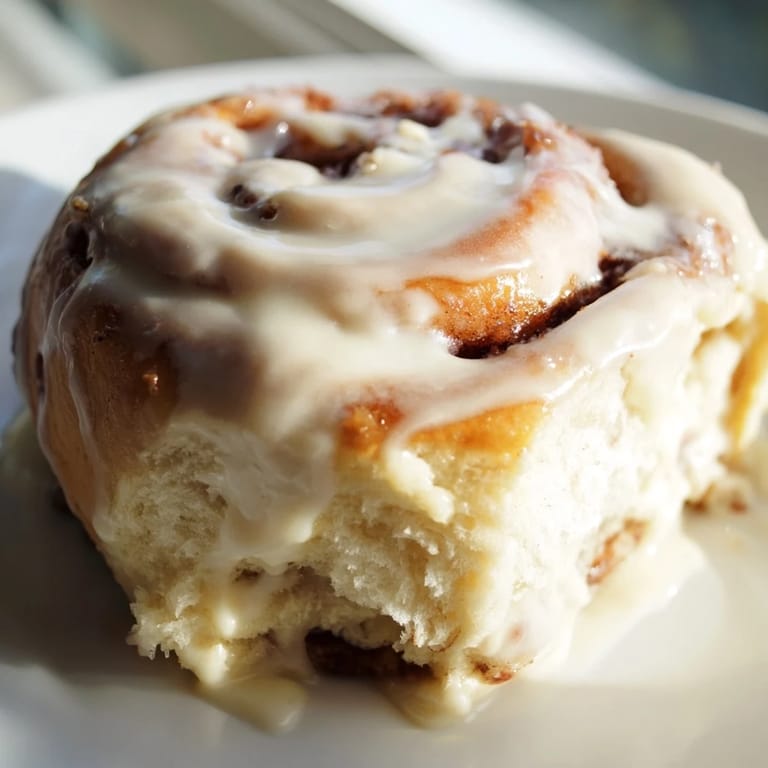
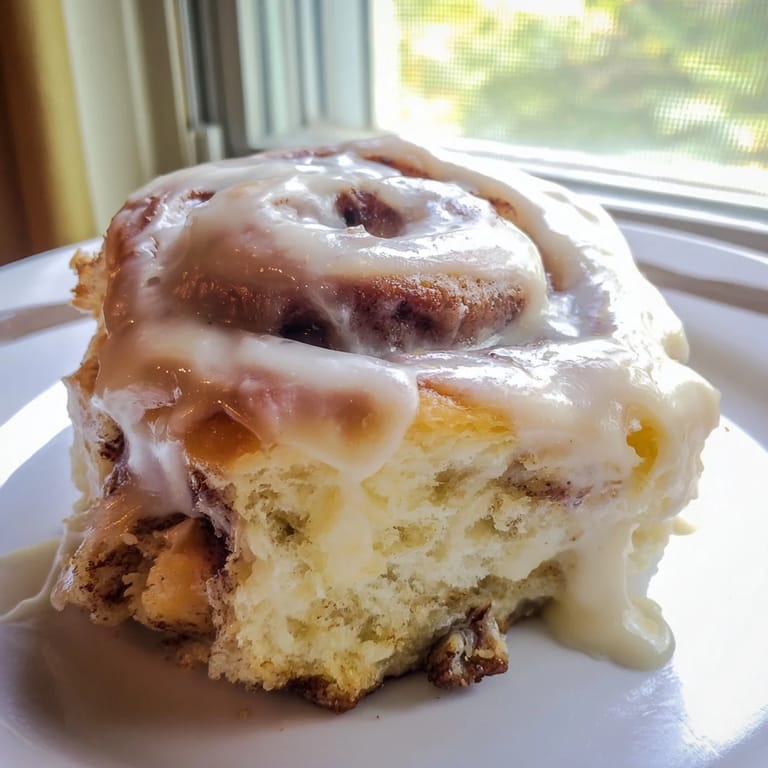
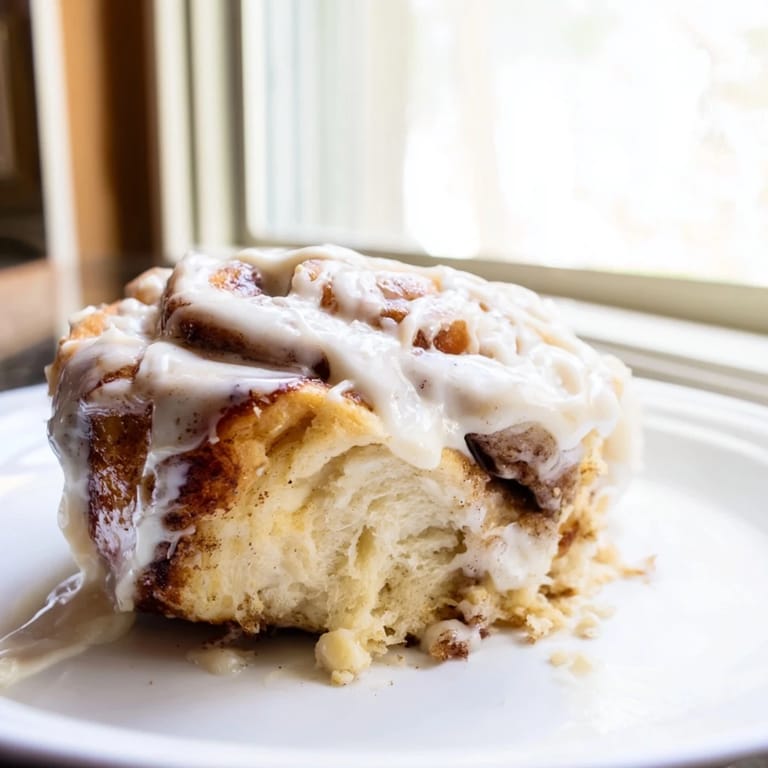
- Let the rolls cool for about 10 minutes, then spread the glaze over them while they're still warm so it melts into all the cracks. Serve them immediately and watch them disappear.
 Pin It
 I brought a pan of these to a potluck once, still warm, and someone asked if I'd bought them from a bakery. I said no, and she didn't believe me until I walked her through the steps a week later in my kitchen. That's when I realized these rolls aren't just food, they're a way to make people feel cared for without saying much at all.
How to Store and Reheat
These rolls stay soft for up to three days if you cover them tightly with plastic wrap or foil and keep them at room temperature. If you want to reheat them, wrap one in a damp paper towel and microwave it for about 20 seconds, or warm the whole pan in a 300-degree oven for 10 minutes. They also freeze beautifully, just wrap them individually and reheat from frozen when the craving hits.
Make-Ahead Magic
You can prep these the night before by shaping the rolls, placing them in the baking dish, covering tightly, and refrigerating overnight. The next morning, let them sit at room temperature for about an hour to finish rising, then bake as directed. This trick has saved me on more than one holiday morning, and the dough actually develops more flavor in the fridge. It's the kind of shortcut that makes you look like you have your life together, even when you don't.
What to Serve Alongside
These rolls are rich enough to be the main event at brunch, but they pair beautifully with scrambled eggs, crispy bacon, or fresh fruit if you want to balance the sweetness. I've also served them with hot coffee, chai, or even a glass of cold milk for the kids. If you're feeling fancy, add a side of whipped cream or a drizzle of caramel sauce.
- A hot cup of coffee or chai cuts through the sweetness and makes the whole experience feel cozy.
- Fresh berries or sliced oranges add a bright, refreshing contrast to the rich glaze.
- If you have leftovers, toast a slice the next day and spread it with butter, it's almost better than the first time.
 Pin It
 Every time I pull these out of the oven, I'm reminded that the best recipes aren't the ones that require fancy ingredients or skills, they're the ones that make your kitchen feel like home. These rolls do that every single time.
Recipe FAQs
- → Why is my dough not rising properly?
Yeast requires specific conditions to activate. Ensure your milk is between 105-110°F (40-43°C)—too hot kills the yeast, too cold slows activation. Use fresh yeast within the expiration date, and find a consistently warm environment for rising, ideally 75-80°F (24-27°C). A turned-off oven with the light on works perfectly.
- → How can I make these rolls even softer?
Substitute bread flour for all-purpose flour for increased gluten development and a more tender crumb. Add an extra egg yolk to the dough for richness. Brush the dough with melted butter before rolling, and ensure you don't overbake—remove rolls when they're light golden, not deep brown. Covering with the glaze while warm locks in moisture.
- → Can I prepare these ahead of time?
Absolutely. Shape the rolls, place them in your baking dish, cover tightly with plastic wrap, and refrigerate overnight. In the morning, let them sit at room temperature for 1-2 hours until they reach the baking dish's rim. This cold fermentation actually enhances flavor through longer yeast activity.
- → What's the best way to slice the rolls without squishing them?
Use a sharp serrated knife dipped in warm water between cuts for clean slices. Alternatively, unflavored dental floss works beautifully—slide it under the rolled dough and cross the ends above, pulling through in one swift motion. This technique is gentler and prevents compression.
- → Why is my glaze too thick or too thin?
Glaze consistency depends on milk ratio. For spreadable glaze, start with 2 tablespoons milk and add incrementally until you reach desired thickness. If too thick, add milk one teaspoon at a time. If too thin, add more powdered sugar. The glaze should coat the back of a spoon and slowly drip off.
- → Can I add mix-ins like nuts or dried fruit?
Yes. Sprinkle chopped pecans, walnuts, or raisins over the filling before rolling. Toast nuts first for deeper flavor. Use about 1/2 cup total so they don't overwhelm the cinnamon-sugar filling. This also adds pleasant texture contrast to the soft crumb.