 Pin It
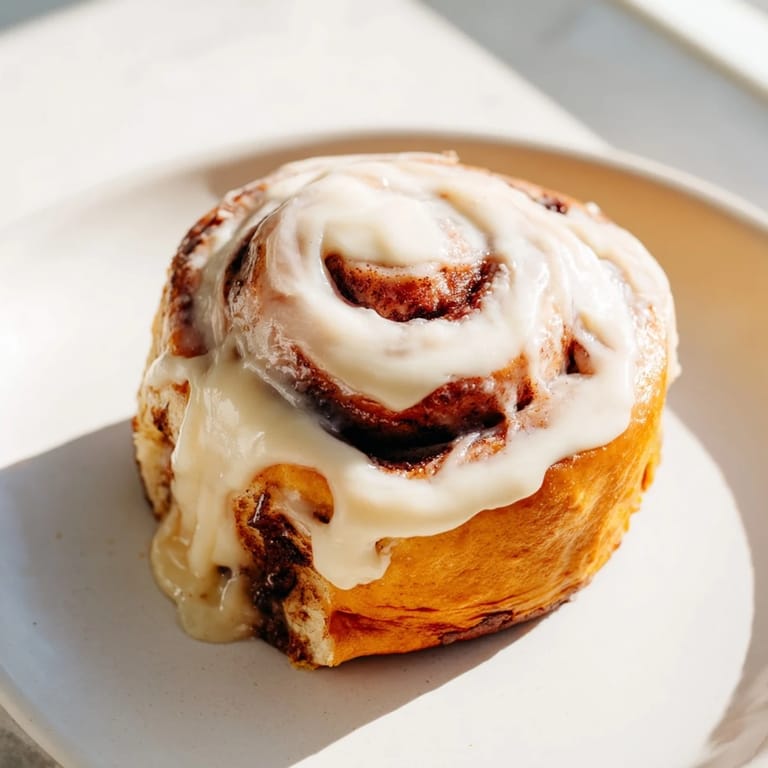
 My kitchen smelled like a candle shop exploded, and I wasn't even sorry. I'd just pulled a tray of pumpkin cinnamon rolls from the oven, their tops bronzed and glistening, steam curling up like little autumn ghosts. A neighbor knocked on the door midway through frosting them, drawn by the scent alone. I handed her one still warm, watched her eyes close as she bit in, and knew I'd be making these every October from then on.
I made these for a brunch potluck once and forgot to mention they had pumpkin in them. Three people asked for the recipe before I'd even finished my coffee. One friend insisted they tasted like the platonic ideal of fall, which I'm still not sure is a compliment or a philosophy degree talking. Either way, the pan came home empty, and I've been the designated roll-bringer ever since.
Ingredients
- All-purpose flour (3 ½ cups, 440 g): The backbone of your dough, giving structure without toughness when kneaded just right with the pumpkin moisture.
- Active dry yeast (1 packet, 2 ¼ tsp): Make sure your milk is lukewarm, not hot, or you'll kill the yeast and wonder why nothing rises.
- Granulated sugar (⅓ cup, 65 g): Feeds the yeast and adds a subtle sweetness that balances the earthy pumpkin.
- Whole milk (½ cup, 120 ml, lukewarm): The fat content makes the dough richer and more tender than water ever could.
- Canned pumpkin purée (¾ cup, 180 g): Not pumpkin pie filling, pure purée only, it's what makes these rolls impossibly moist.
- Unsalted butter (¼ cup melted for dough, ¼ cup softened for filling, ¼ cup softened for frosting): Used three ways, each adding richness, flavor, and that melt-in-your-mouth quality.
- Large egg (1, room temperature): Helps bind everything and gives the dough a beautiful golden color.
- Vanilla extract (1 tsp for dough, ½ tsp for frosting): A whisper of warmth that ties all the spices together.
- Salt (½ tsp for dough, pinch for frosting): Balances sweetness and makes every other flavor sing louder.
- Ground cinnamon (1 tsp for dough, 2 tbsp for filling): The star spice, used twice to build layers of cozy flavor.
- Ground nutmeg (½ tsp): Adds a subtle warmth that whispers autumn without shouting.
- Brown sugar (⅔ cup, 130 g, packed): Melts into a sticky, caramel-like swirl with the cinnamon.
- Cream cheese (4 oz, 115 g, softened): The tangy richness that makes this frosting better than plain buttercream.
- Powdered sugar (1 cup, 120 g, sifted): Sifting prevents lumps and gives you a silky smooth frosting.
Tired of Takeout? 🥡
Get 10 meals you can make faster than delivery arrives. Seriously.
One email. No spam. Unsubscribe anytime.
Instructions
- Wake up the yeast:
- Combine warm milk and yeast in a large bowl, then let it sit for 5 minutes until it's foamy and alive. If nothing happens, your milk was too hot or your yeast was too old, start over with fresh ingredients.
- Build the dough base:
- Stir in sugar, pumpkin purée, melted butter, egg, and vanilla until the mixture is smooth and looks like thick orange batter. This is where the magic starts, everything smells like pie already.
- Knead into softness:
- Gradually mix in flour, salt, cinnamon, and nutmeg, then knead by hand or with a dough hook for 6 to 8 minutes until the dough is soft, smooth, and slightly tacky. If it's sticking to your hands, dust in a little more flour, but don't add too much or the rolls will be dense.
- Let it rise:
- Place the dough in a lightly greased bowl, cover with a damp towel or plastic wrap, and set it somewhere warm until it doubles in size, about 1 hour. I like to put mine near a sunny window or on top of the fridge.
- Roll it out:
- Punch down the puffy dough to release air, then roll it on a floured surface into a 16x12 inch rectangle. Try to keep the edges even so your rolls come out uniform.
- Spread the filling:
- Smear softened butter all over the dough, leaving a small border on one long edge. Mix brown sugar and cinnamon in a small bowl, then sprinkle it generously over the butter, the smell alone is worth the effort.
- Roll and slice:
- Starting from the long side, roll the dough up tightly into a log, then slice it into 12 even pieces using a sharp knife or unflavored dental floss. Floss gives you cleaner cuts without squishing the swirls.
- Second rise:
- Arrange the rolls in a greased 9x13 inch baking dish, cover them again, and let them rise for 30 to 40 minutes until they're puffy and touching each other. They should look like little pillows ready to bake.
- Bake until golden:
- Preheat your oven to 350°F (175°C) and bake the rolls for 22 to 25 minutes until the tops are golden and the centers are cooked through. Your kitchen will smell like a bakery, and you'll have to fight the urge to eat one immediately.
- Make the frosting:
- Beat softened cream cheese and butter together until smooth and fluffy, then add powdered sugar, vanilla, and a pinch of salt. Beat until the frosting is creamy and spreadable, taste it, try not to eat half of it with a spoon.
- Frost and serve:
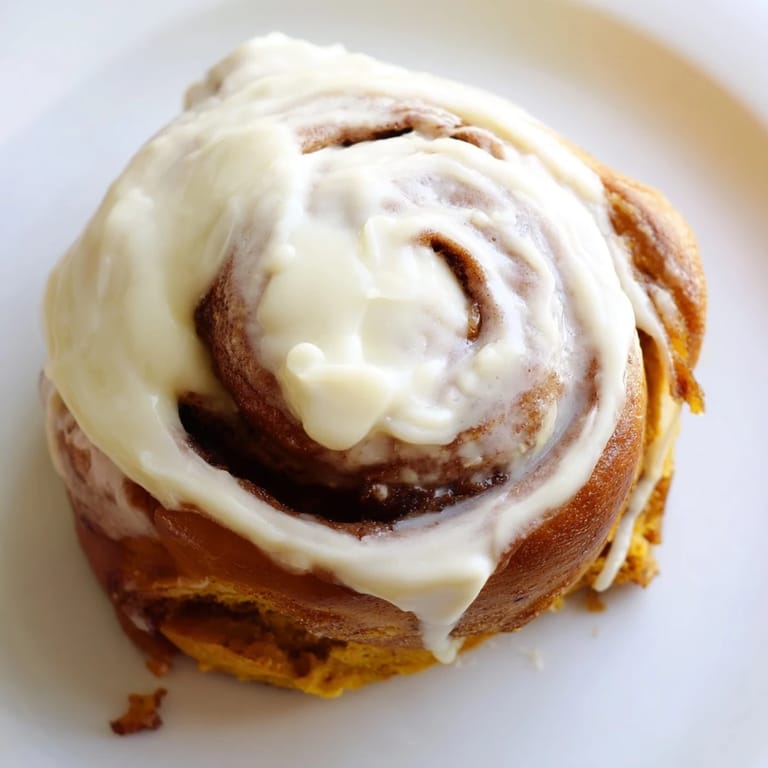
- Spread the frosting over the rolls while they're still warm so it melts into every crevice. Serve them fresh, and watch people's faces light up.
 Pin It
 The first time I served these at Thanksgiving, my uncle declared them better than pie and ate three before dinner was even on the table. My aunt gave me a look that said I'd created a monster, but she also asked me to bring two pans next year. Sometimes a recipe becomes a tradition just by showing up at the right moment, warm and generous and impossible to resist.
Make Ahead Magic
You can prep these the night before and bake them fresh in the morning, which is a game changer for holiday breakfasts. After shaping the rolls in the pan, cover them tightly with plastic wrap and refrigerate overnight. In the morning, let them sit at room temperature for about 30 minutes while the oven preheats, then bake as directed. The slow cold rise actually deepens the flavor, and you get to wake up to fresh rolls without the early morning panic.
Frosting Variations
The cream cheese frosting is classic, but I've also made these with a simple maple glaze when I'm feeling less is more. Just whisk together powdered sugar, a splash of milk, and real maple syrup until it's pourable, then drizzle it over the warm rolls. Some people swear by brown butter frosting, which adds a nutty richness that's absolutely worth the extra step of browning the butter first. Honestly, these rolls are good enough that you could skip frosting altogether and just brush them with melted butter and cinnamon sugar.
Storage and Reheating
Leftovers keep in an airtight container at room temperature for up to three days, though they rarely last that long in my house. To reheat, wrap a roll in a damp paper towel and microwave for 15 to 20 seconds until warm and soft again. You can also freeze unfrosted baked rolls for up to two months, then thaw and frost them when you're ready to serve.
- Add chopped pecans or walnuts to the filling for extra crunch and richness.
- A pinch of cardamom in the dough gives a subtle, unexpected warmth that feels fancy.
- If you're short on time, use store-bought pizza dough as a base and just add pumpkin purée and spices to the filling.
 Pin It
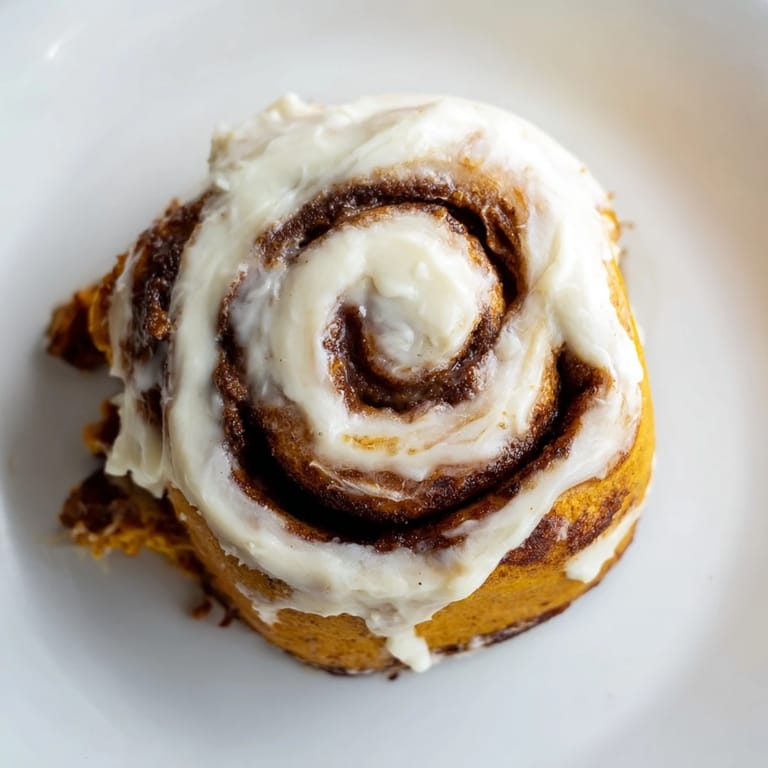
 These rolls have a way of turning any morning into something worth remembering. Make them once, and they'll become part of your autumn rhythm, the kind of recipe you pull out when you want to fill your home with warmth and watch people slow down long enough to savor something good.
Recipe FAQs
- → Can I make these rolls ahead of time?
Yes, you can prepare the rolls the night before, cover them tightly, and refrigerate. Bake them fresh in the morning for the best results, adding a few extra minutes to the baking time if baking from cold.
- → What can I substitute for pumpkin purée?
You can use sweet potato purée or butternut squash purée as alternatives. For a different flavor profile, try applesauce, though this will reduce the pumpkin taste.
- → How do I get the dough the right consistency?
The dough should be soft and slightly sticky. If it's too sticky to handle, dust with a bit more flour. It should be elastic and smooth after kneading for 6–8 minutes.
- → Can I use instant yeast instead of active dry yeast?
Yes, instant yeast works well as a 1:1 substitute. It may rise slightly faster than active dry yeast, so watch the dough during proofing to avoid over-rising.
- → What's the best way to slice the rolls evenly?
Use a sharp serrated knife dipped in warm water and wiped clean between cuts for neat slices. Alternatively, use unflavored dental floss pulled taut to cut through the roll cleanly without compressing the dough.
- → How should I store leftover rolls?
Store cooled rolls in an airtight container at room temperature for up to 2 days, or refrigerate for up to 5 days. Reheat gently in the oven before serving for the best texture.