 Pin It
 The smell of venison searing in a hot pan always takes me straight back to a November dinner I threw without much of a plan. I'd picked up a few steaks from the farmers' market on a whim, drawn in by the deep red color and the vendor's promise that they'd be tender if I didn't overthink it. I paired them with swede because that's what was in the fridge, and tossed in caraway seeds I'd been hoarding since making rye bread months earlier. The caraway turned out to be the quiet hero, lending this earthy, slightly sweet note that made everyone at the table pause mid-bite. It's been my go-to ever since when I want something that feels both rustic and a little special.
I made this for my brother once after he'd spent the day chopping firewood in the cold. He came in smelling like pine and frost, and I had the steaks resting under foil, the swede still steaming in the pot. He ate two servings without saying much, just nodding between bites, and later told me it was the kind of meal that made him feel like winter wasn't so bad after all. That's the thing about venison and root vegetables: they don't need fanfare, just good timing and a little butter.
Ingredients
- Venison steaks: Look for steaks that are deep red and evenly cut, around 150 to 180 grams each, and let them come to room temperature before cooking so they sear evenly without toughening up.
- Olive oil: Just enough to coat the meat and help the thyme stick, creating a light crust without any greasiness.
- Fresh thyme leaves: Strip them from the stems and rub them directly onto the steaks for a woodsy, herbal note that complements game beautifully.
- Swede: Choose a large, firm swede without soft spots, and peel it generously since the outer layer can be bitter.
- Unsalted butter: This is what makes the swede mash silky and rich, so don't skimp or substitute with margarine.
- Double cream: A small splash adds body and a touch of luxury, though you can use milk if you want something lighter.
- Caraway seeds: Toasting them first wakes up their flavor, turning them from dusty to fragrant and slightly nutty.
- Red wine: Use something you'd actually drink, not cooking wine, as it forms the base of the optional sauce and any harshness will come through.
- Beef or game stock: Adds depth and a savory backbone to the sauce, tying the venison and swede together on the plate.
- Redcurrant jelly: A tiny spoonful balances the sauce with a hint of sweetness and a glossy finish.
Tired of Takeout? 🥡
Get 10 meals you can make faster than delivery arrives. Seriously.
One email. No spam. Unsubscribe anytime.
Instructions
- Boil the swede:
- Bring a large pot of salted water to a rolling boil, then add the diced swede and cook for 20 to 25 minutes until a fork slides through easily. Don't undercook it or the mash will be lumpy and unpleasant.
- Prep the venison:
- While the swede bubbles away, pat the steaks completely dry with paper towels, then rub them all over with olive oil, thyme, salt, and pepper. Let them sit at room temperature so they cook evenly from edge to center.
- Toast the caraway:
- Heat a dry pan over medium heat and add the caraway seeds, shaking the pan gently for a minute or two until they smell toasty and start to darken slightly. Set them aside in a small bowl so they don't burn.
- Mash the swede:
- Drain the cooked swede thoroughly, then return it to the pot and add butter, cream, toasted caraway, salt, and pepper. Mash with a potato masher until mostly smooth but still a bit rustic, then cover and keep warm on low heat.
- Sear the venison:
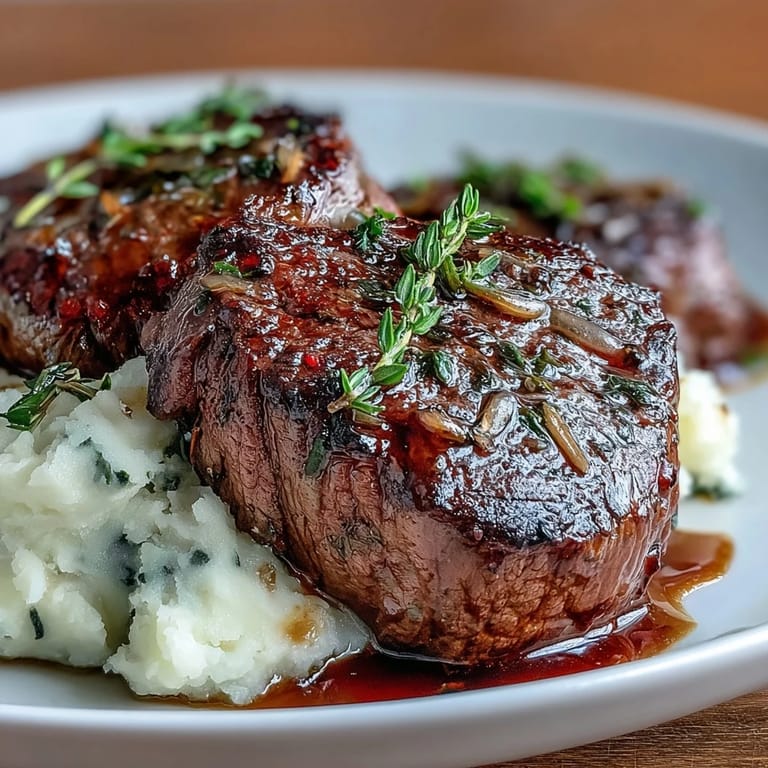
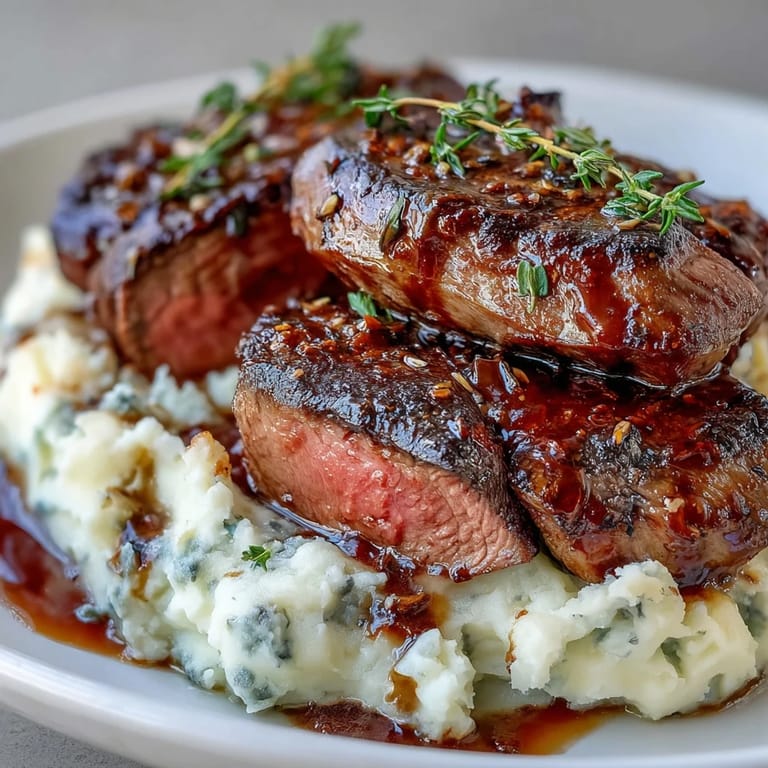
- Heat a heavy skillet or griddle pan over medium-high until it's almost smoking, then lay the steaks in without crowding and sear for 2 to 3 minutes per side for medium-rare. Transfer to a warm plate, cover loosely with foil, and let them rest for 5 minutes so the juices redistribute.
- Make the optional sauce:
- In the same pan, pour in the red wine to deglaze, scraping up any browned bits, then add the stock and redcurrant jelly. Let it bubble and reduce until it coats the back of a spoon, then remove from heat and whisk in cold butter for shine and body.
- Serve:
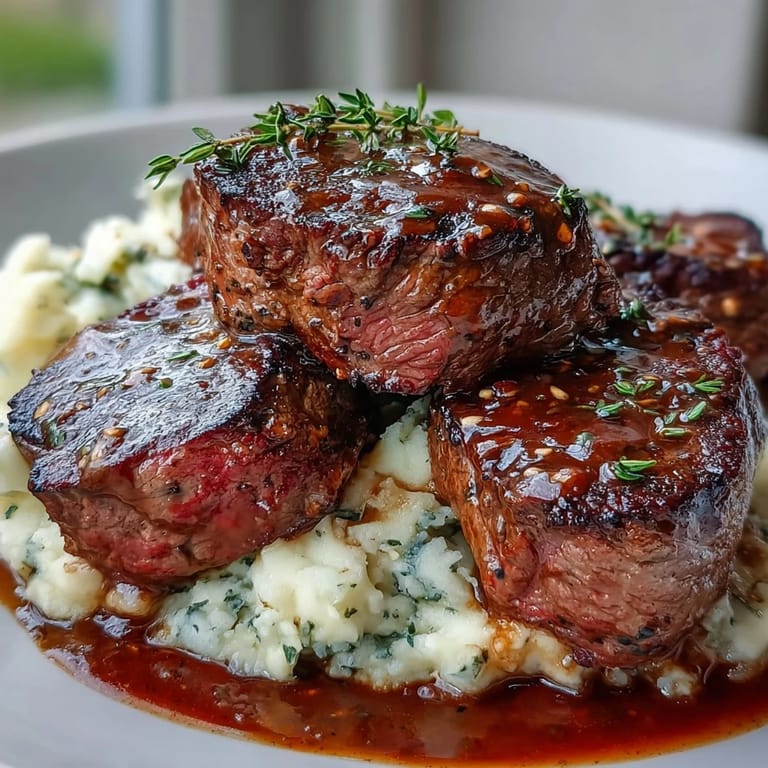
- Spoon a generous mound of caraway crushed swede onto each plate, top with a venison steak, and drizzle the sauce over if you made it. Serve immediately while everything is hot.
 Pin It
 One cold January night, I served this to a friend who'd never tried venison before and was nervous about it. She took a cautious first bite, then a bigger one, and by the end of the meal she was using her fork to chase every last bit of swede and sauce around her plate. She told me it tasted like a cozy cabin in the woods, which made me laugh, but I knew exactly what she meant. Sometimes a dish just feels like a place, and this one feels like warmth and timber and quiet snow outside.
Choosing and Cooking Venison
Venison can be intimidating if you're used to beef, but it's actually more forgiving than people think as long as you respect its leanness. Because there's almost no marbling, it cooks faster and benefits from a hot, fast sear that leaves the inside blushing pink. If you overcook it, it turns dry and livery, so use a meat thermometer if you're unsure and pull it off the heat at 55 to 57 degrees Celsius for medium-rare. Resting is non-negotiable: those few minutes under foil let the muscle fibers relax and the juices settle back in. I've ruined more than one steak by slicing too soon and watching all the moisture run out onto the cutting board.
Why Swede Works So Well Here
Swede has this gentle sweetness and earthy depth that stands up to strong flavors without competing, which is why it pairs so well with game. It's sturdier than potato, holds its shape when mashed, and doesn't turn gluey if you work it a bit too much. The caraway seeds are key here: they bring a slight anise-like warmth that bridges the gap between the swede's sweetness and the venison's minerality. I've tried this with plain mashed potato and it was fine, but it lost that rustic, rooted quality that makes the dish feel like it belongs on a winter table. Swede just feels right.
Serving Suggestions and Swaps
This dish is rich enough to stand on its own, but I like to serve it with something green and slightly bitter to cut through the butter. Sautéed kale, chard, or cavolo nero work beautifully, especially if you wilt them with a little garlic and lemon. Roasted root vegetables like carrots or parsnips add color and sweetness, though they're not strictly necessary. If you can't find swede, celeriac makes a lovely substitute with a slightly nuttier flavor, or you can do half swede and half parsnip for something in between. The optional red wine sauce is worth making if you have the ingredients, but honestly, the steaks and mash are delicious enough on their own.
- Add a pinch of nutmeg to the swede mash for extra warmth and a hint of spice.
- Pair with a robust red wine like Syrah, Malbec, or a good Côtes du Rhône.
- Leftovers reheat surprisingly well: slice the venison thin and warm it gently in the sauce to keep it tender.
 Pin It
 There's something quietly satisfying about a plate of venison and swede that makes you slow down and savor each bite. It's the kind of meal that doesn't need conversation, just good company and a glass of red wine.
Recipe FAQs
- → How do I ensure the venison stays tender?
Pat the steaks dry before cooking, sear over high heat for just 2-3 minutes per side for medium-rare, and rest for 5 minutes before serving. Avoid overcooking as venison can become tough.
- → Can I substitute the swede with another vegetable?
Yes, you can use parsnip, celeriac, or a combination of root vegetables. Adjust cooking time as needed until tender enough to mash smoothly.
- → What's the best doneness for venison steaks?
Medium-rare is ideal for venison, keeping it tender and flavorful. Cook for 2-3 minutes per side, then rest. For medium, add 1-2 minutes per side.
- → Is the red wine sauce necessary?
The sauce is optional but highly recommended. It adds depth and richness, complementing the lean venison beautifully. You can skip it for a simpler preparation.
- → How do I toast caraway seeds properly?
Heat a dry pan over medium heat, add caraway seeds, and toast for 1-2 minutes until fragrant, shaking the pan occasionally. Remove immediately to prevent burning.
- → What wine pairs well with this dish?
Robust red wines like Syrah, Malbec, or Côtes du Rhône complement the rich venison and earthy swede beautifully. Choose a full-bodied option with good tannins.