 Pin It
 The first time I made frikadeller, I wasn't trying to recreate Denmark—I was just hungry and had some ground pork in the fridge on a gray Tuesday evening. My neighbor had mentioned these Danish meatballs casually over the fence, and something about the simplicity stuck with me. What arrived in my pan was nothing like the dense, heavy meatballs I'd grown up with; these were tender, almost delicate, with an unexpected warmth from the allspice that made me pause mid-chew to figure out what I was tasting. It became one of those dishes I make whenever I want something that feels both comforting and a little bit worldly, without any fuss.
I remember bringing a batch to a potluck once, slightly nervous about whether anyone would actually eat them—Danish meatballs seemed obscure next to the casseroles and pasta salads. But they disappeared fastest, and I spent twenty minutes answering questions about what made them different. That's when I realized it wasn't really about the recipe being fancy; it was that the milk and breadcrumb combination created something tender that people weren't expecting, and the pickles alongside them offered this bright, necessary contrast that made everyone keep reaching for more.
Ingredients
- Ground pork (500g): The backbone of frikadeller; look for meat that's not too lean, as some fat keeps them from becoming dense and rubbery.
- Small onion, finely grated: Grating rather than mincing releases the onion's moisture and sweetness, binding everything together and adding subtle depth without chunks.
- Egg (1): Your binder; it holds the mixture together without needing any fancy technique.
- Whole milk (100ml): This is the secret—it soaks into the breadcrumbs and keeps the finished meatballs tender and almost creamy inside.
- Breadcrumbs (60g): Act like a sponge for the milk, creating that characteristic soft texture that sets frikadeller apart from other meatballs.
- Salt and ground black pepper: Season generously; the meat itself is fairly mild and needs encouragement.
- Ground allspice (½ tsp, optional): The warm, slightly sweet spice that whispers "Danish" without overwhelming; this is what makes people ask what's different.
- Unsalted butter and neutral oil for frying: Butter alone would burn at the heat needed, so oil steadies the temperature while butter adds flavor and helps them brown beautifully.
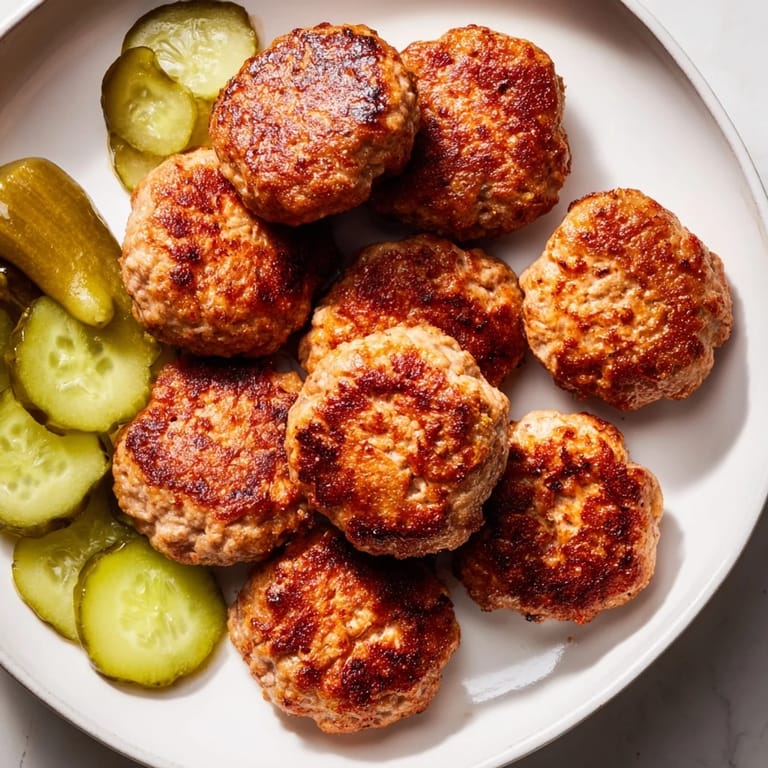
- Danish pickles to serve: Non-negotiable; the acidity cuts through the richness and refreshes the palate between bites.
Tired of Takeout? 🥡
Get 10 meals you can make faster than delivery arrives. Seriously.
One email. No spam. Unsubscribe anytime.
Instructions
- Mix the base gently:
- Combine the pork, grated onion, egg, milk, breadcrumbs, salt, pepper, and allspice in a large bowl, stirring until everything is just cohesive and slightly sticky—overworking it makes them tough and dense. Trust that slightly sticky feeling; it means the milk hasn't fully absorbed yet and will do so during the rest period.
- Let it rest and hydrate:
- Set the bowl aside for 10 minutes while the breadcrumbs drink in the milk, transforming the mixture from loose to silky. This patience is what separates tender frikadeller from dry ones.
- Shape with wet hands:
- Wet your hands under cold water so the mixture doesn't stick, then gently form oval or round meatballs about the size of a golf ball—aim for 12 to 14 pieces depending on how generous you're feeling. Keep your touch light; these don't need aggressive handling.
- Heat your pan properly:
- Warm the butter and oil over medium heat until the butter foams and smells nutty; this takes a couple of minutes and signals the pan is ready. The temperature should be hot enough that the meatballs sizzle gently when they hit the pan, not furiously.
- Fry in batches with a gentle press:
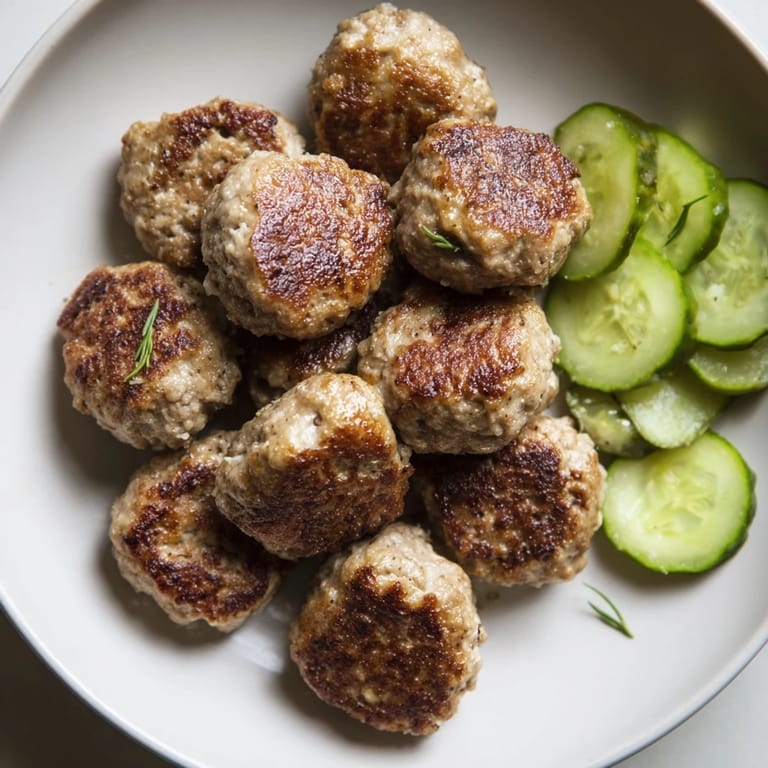
- Working in batches so they're not crowded, place each meatball in the pan and gently flatten it slightly with a spatula—this increases contact with the heat and creates that golden crust. Fry for 4 to 5 minutes per side until deep golden brown and cooked through; they should feel firm but still give slightly when pressed.
- Rest before serving:
- Transfer the finished frikadeller to a plate lined with paper towels, which catches excess grease while keeping them warm. This brief rest also lets them firm up just slightly, making them easier to plate elegantly.
 Pin It
 There was an evening when my daughter helped me shape these, her small hands working the mixture into balls while we listened to music and talked about her day. She kept asking why we couldn't just buy frozen ones, and I found myself explaining that homemade always tastes different—more real somehow. When we sat down to eat, she actually noticed the difference, and that became its own kind of magic, the kind that happens when you make something from scratch together.
The Danish Way: Tradition and Flavor
Frikadeller aren't fancy; they're everyday food in Denmark, the kind of thing families make when they want comfort without ceremony. What makes them distinctly Danish is the combination of milk-soaked breadcrumbs and the optional allspice, spices that arrived in Scandinavia through trade routes and became woven into the food culture so completely that they now taste like home to anyone who grew up eating them. The practice of serving them with pickles comes from the same practical wisdom—the bright, tangy contrast cuts through the richness and makes you want to keep eating, bite after bite.
Serving Suggestions and Pairings
Frikadeller are flexible enough to stand alone with just pickles, but they're also humble enough to pair with almost anything. Creamy potato salad offers comfort in two forms on the same plate, while rye bread turns them into casual open-faced sandwiches; I've also served them alongside red cabbage slaw when I wanted something with a bit more acidity. Boiled potatoes work too, and if you're feeling adventurous, a simple mustard sauce or a dollop of sour cream transforms them into something slightly different while keeping that core Danish character intact.
Making Them Your Own
The traditional recipe is perfect as written, but small variations feel natural and respectful of the dish rather than disruptive. Substituting half the pork with ground veal creates a lighter, more delicate texture that some prefer, while adding a tablespoon of chopped fresh dill brings freshness if you're serving them in summer. I've also experimented with a pinch of nutmeg in place of or alongside the allspice, a shift that feels Scandinavian without erasing the Danish identity.
- Rest the mixture fully so the breadcrumbs absorb the milk—this is where tenderness lives.
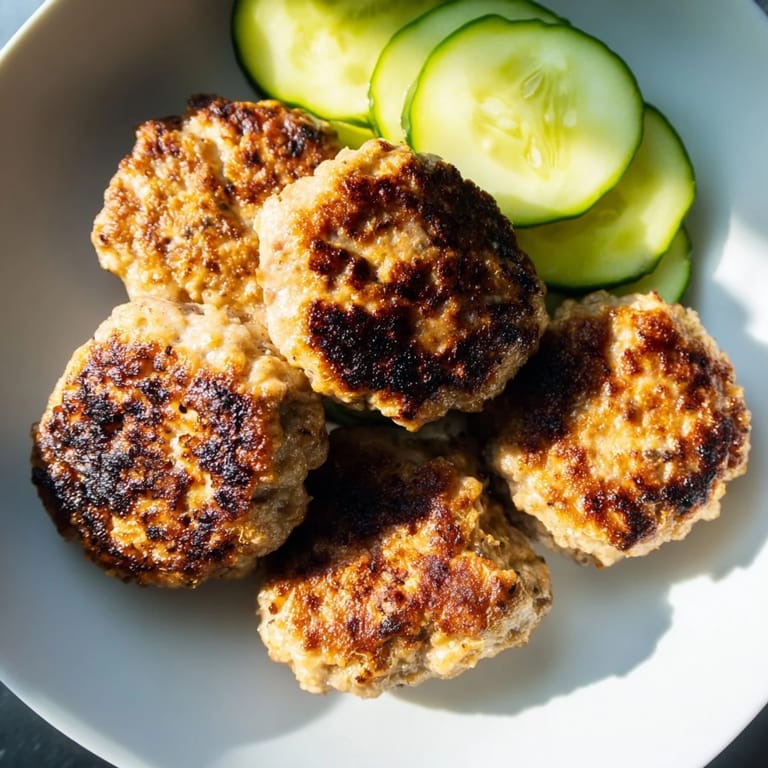
- Flatten them slightly while frying to maximize that golden-brown crust that catches the light.
- Serve hot with pickles, never without; the contrast is the whole point.
 Pin It
 Frikadeller remind me why simple recipes often taste the best—they ask for just a few things done right, and in return they give you something warm, nourishing, and unexpectedly elegant. Once you make them once, they become part of your regular rotation, the kind of meal that feels like both a gift to yourself and something you'd proudly serve to anyone.
Recipe FAQs
- → What type of meat is used for frikadeller?
Traditionally, ground pork is used, but a mix of pork and veal can create a lighter texture.
- → How do I get a golden crust on the frikadeller?
Fry the meatballs in a mixture of unsalted butter and neutral oil over medium heat, flattening slightly for even browning.
- → What spices enhance the flavor of Danish frikadeller?
Salt, black pepper, and optionally ground allspice add authentic Danish flavor without overpowering the meat.
- → Can frikadeller be served with sides?
Yes, Danish pickles, rye bread, or boiled potatoes complement the dish nicely and enrich the meal.
- → How long should the meat mixture rest before cooking?
Letting the mixture rest 10 minutes allows breadcrumbs to absorb moisture, improving texture and cohesion.
- → Are there common all allergens to watch for?
This dish contains egg, gluten from breadcrumbs, and milk. Check pickles and bread labels for additional allergens if using store-bought.